|
|

|
|
|
   

|
INTRODUCTION |

|
I posted a page of our Buick Roadmaster wagons elsewhere on this website, and also
pictures of cars I have owned. This page is about
station wagons and similar vehicles. There are some
wierd, wild, wagons further
down the page followed by Roadmaster & co.
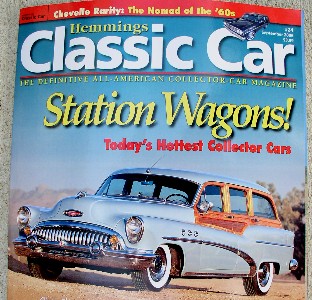
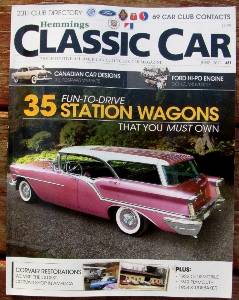
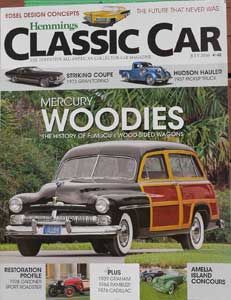
Hemming's Classic Car Magazine has featured station
wagons several times, and I am a big SW fan. I have owned 92 motor vehicles since I was 14 years old and
32 of them were station wagons (if I include my 9 VW busses). My second car was a
1922 Model T Ford "woodie" that started life as a taxi but was later converted into a delivery
wagon.
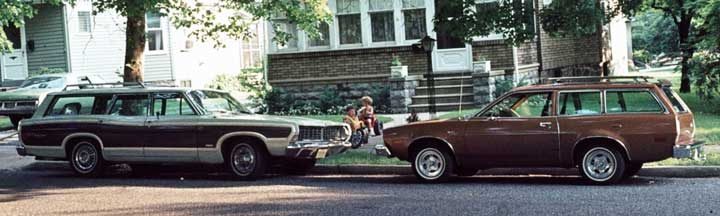
Pictured above are a 1968 Ford LTD Squire and a 1974 Pinto that I had simultaneously.
Station wagons appeared nearly as early as passenger cars. In England, they were called
"estate cars" and were status symbols of the wealthy, but in America, these vehicles were
almost entirely used for commercial purposes or they were purchased for their utilitarian
value. Because many served as taxis, bringing railroad passengers to or from the station,
the term "station wagon" became the generic name for these vehicles.
During the eighties, the mini-van became the vehicle of choice for many American families who needed
extra cargo space or desired to transport more than 5 or 6 passengers. With front-wheel-drive, smaller
motors and transmissions, these vans were cheaper to build and more fuel-efficient than most large
station wagons.
Recognizing this trend, American car manufacturers gradually ceased producing station wagons. Customers
who were not especially infatuated with the minivans could choose between imports or gas-guzzling SUVs,
which were fast becoming the new status symbol of affluent America. This trend shows that gas consumption
was not really a major factor in the demise of the station wagon.
|
|
STATION WAGONS |
|
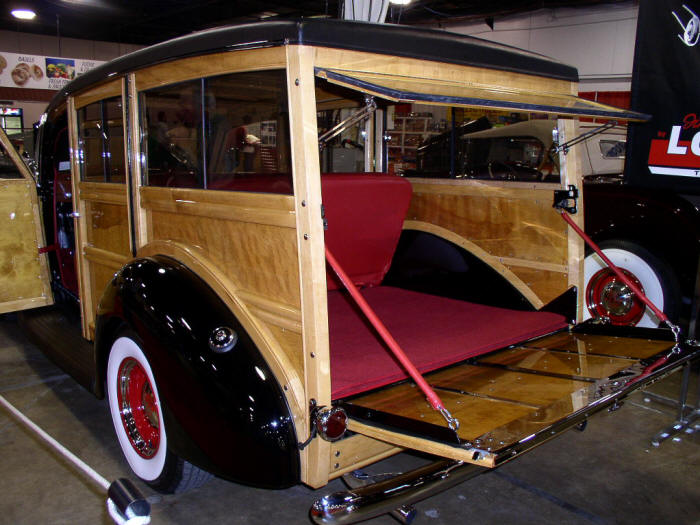
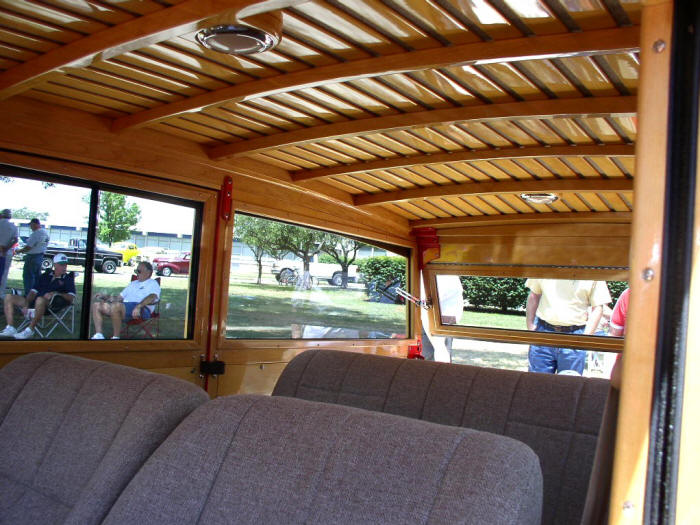
The earliest wagons had a lot of wood parts and got heavy usage.
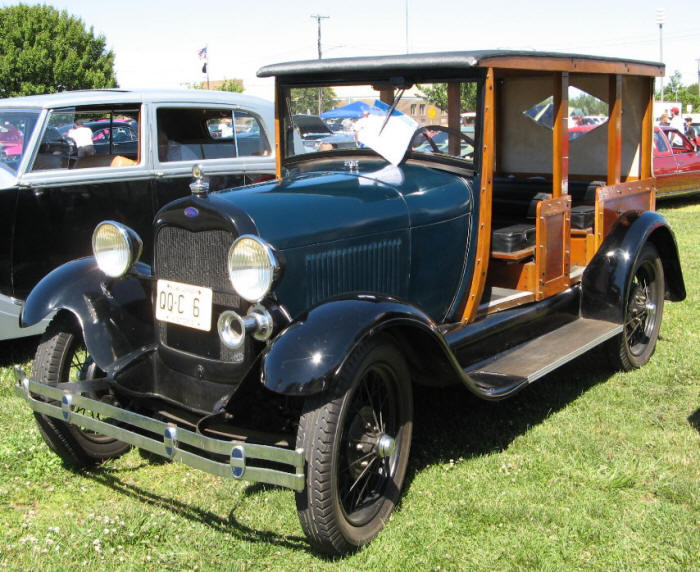
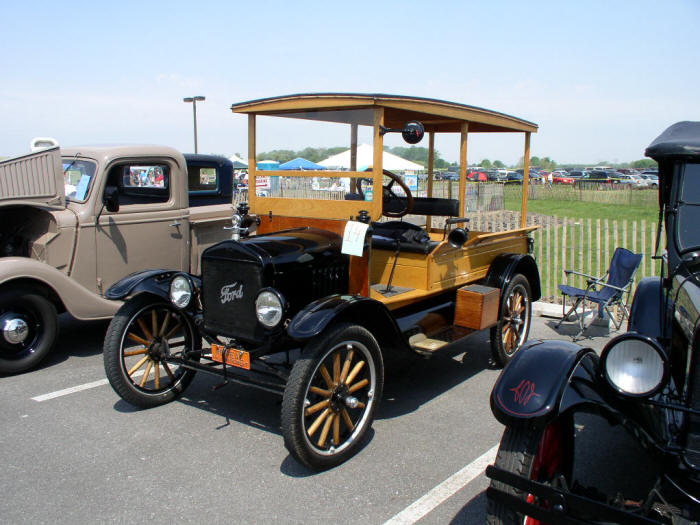
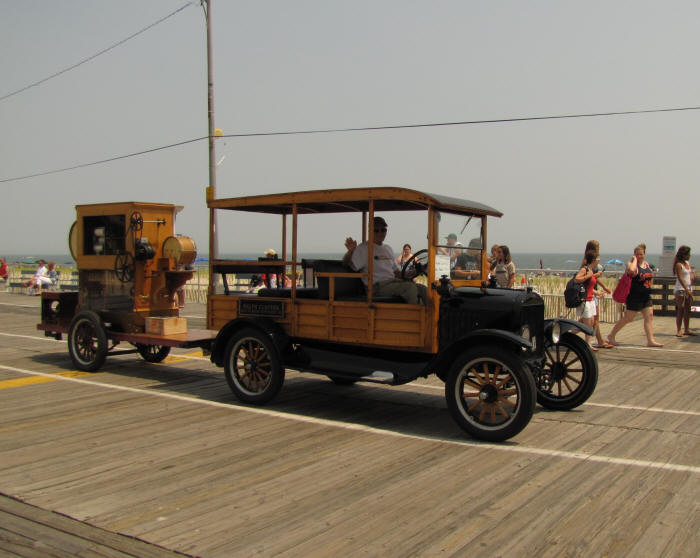
These vehicles are ideal projects for those who enjoy working with wood! The
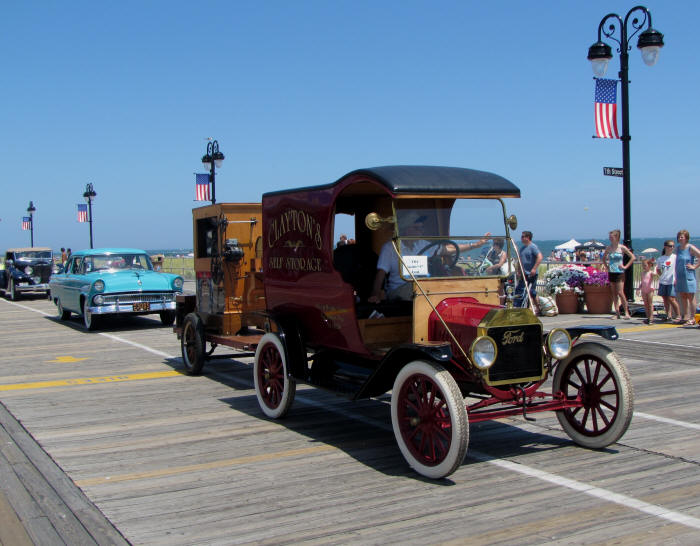
Model T below belongs to Ralph Clayton and is towing an antique organ on the
Boardwalk.
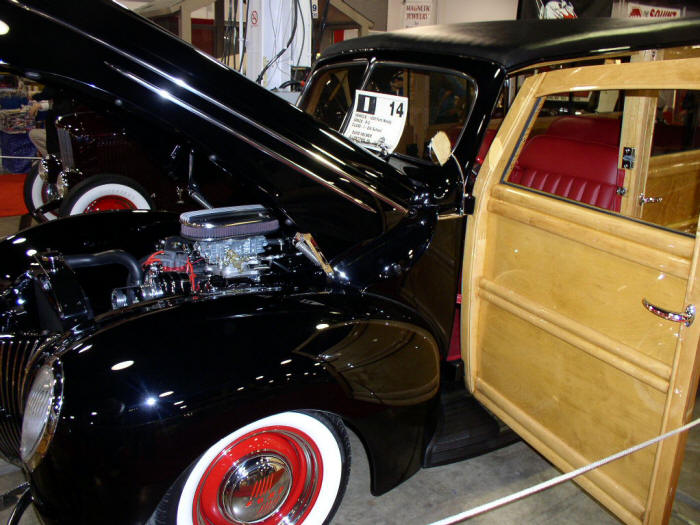
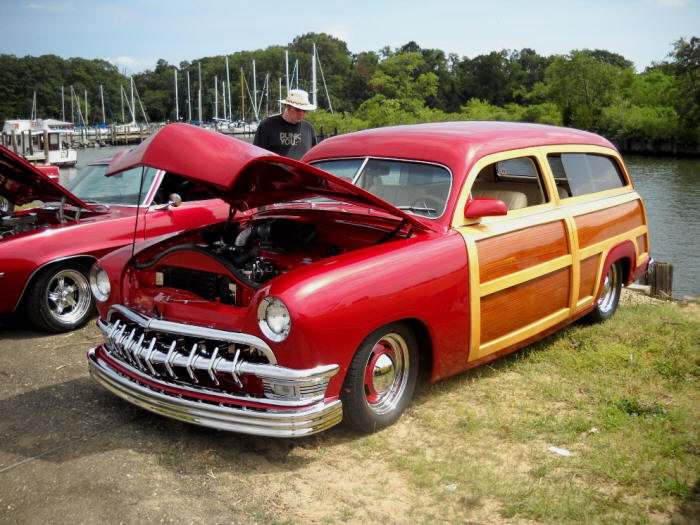
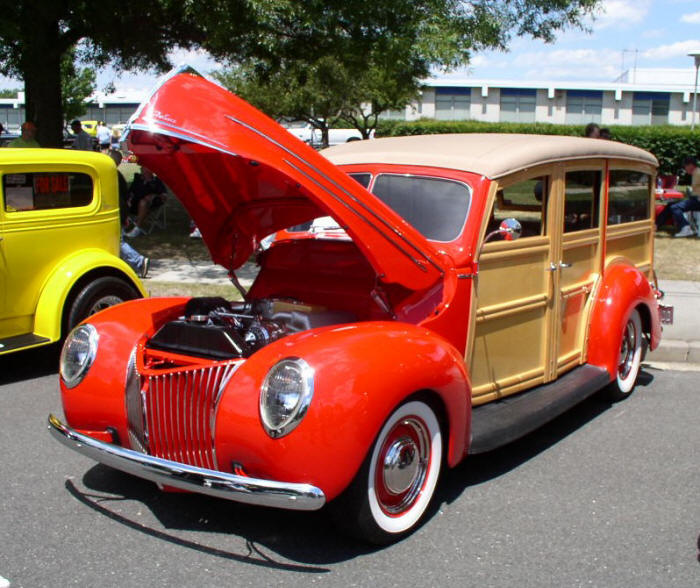
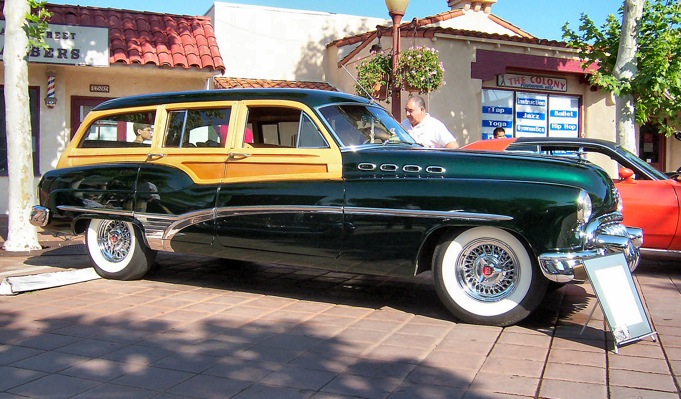
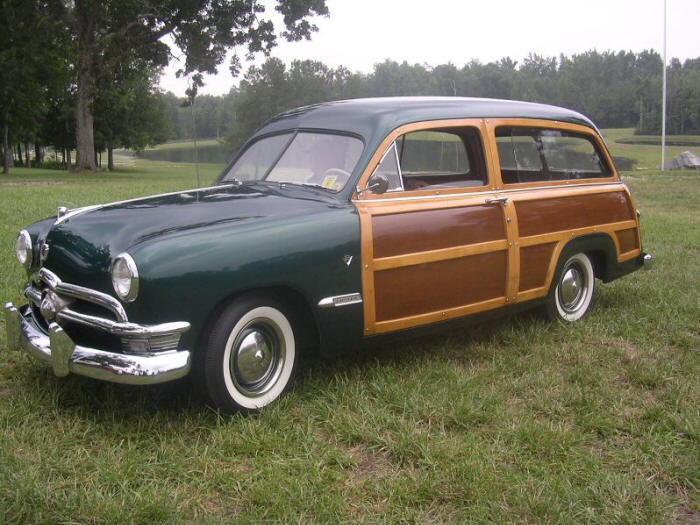
Up until the fifties, "woodies" prevailed among wagons.
Some have been made into rods or customs, but most owners
try to preserve the wood.
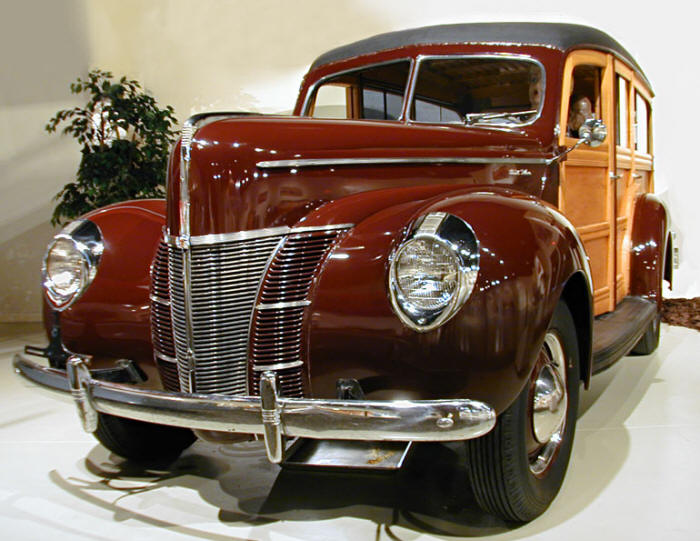
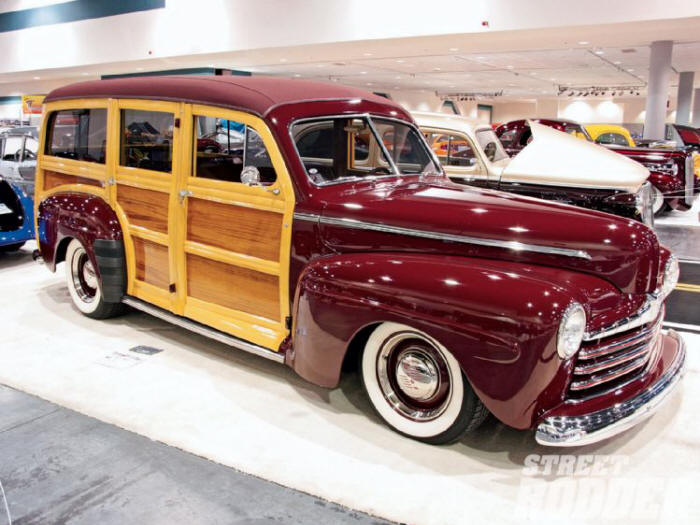
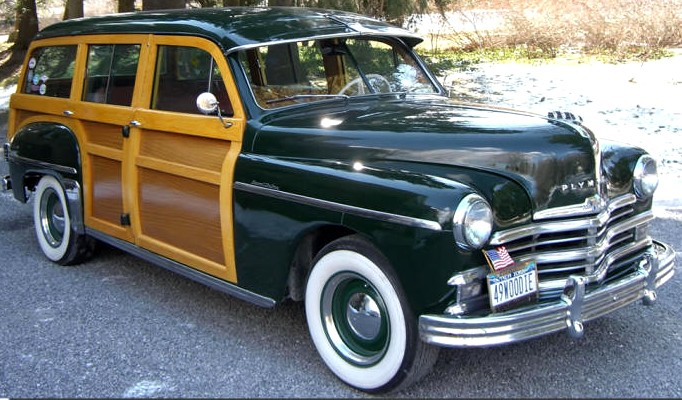
The following two wagons are rare and valuable untouched originals!
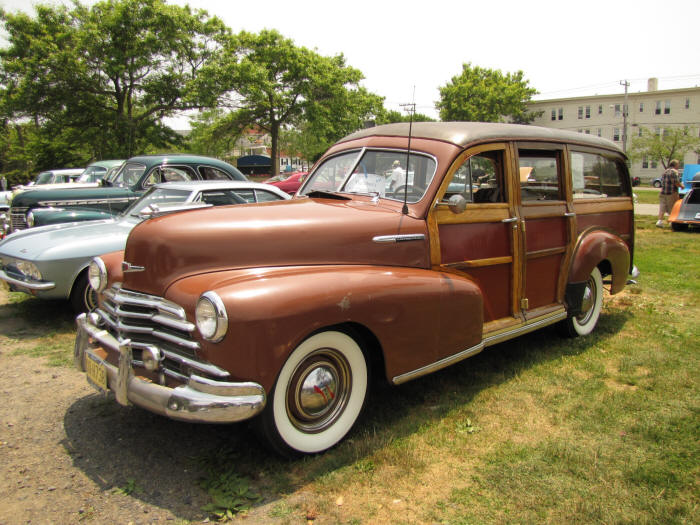
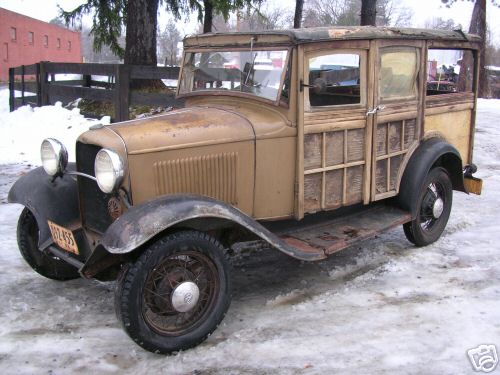
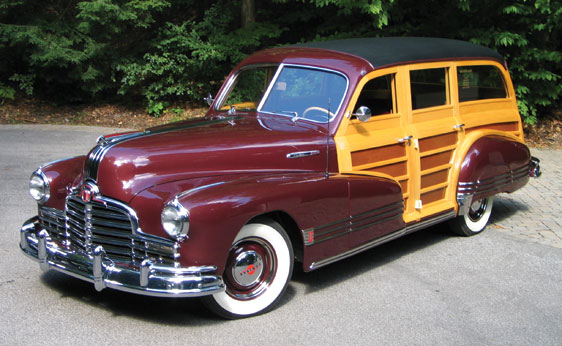
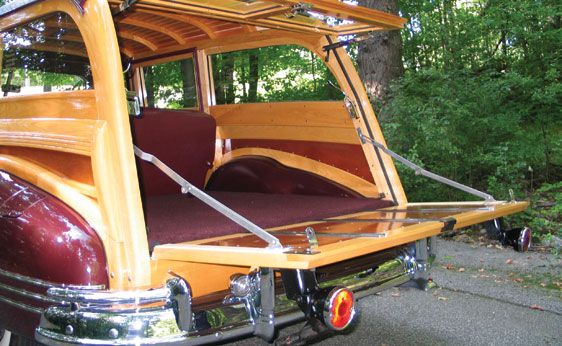
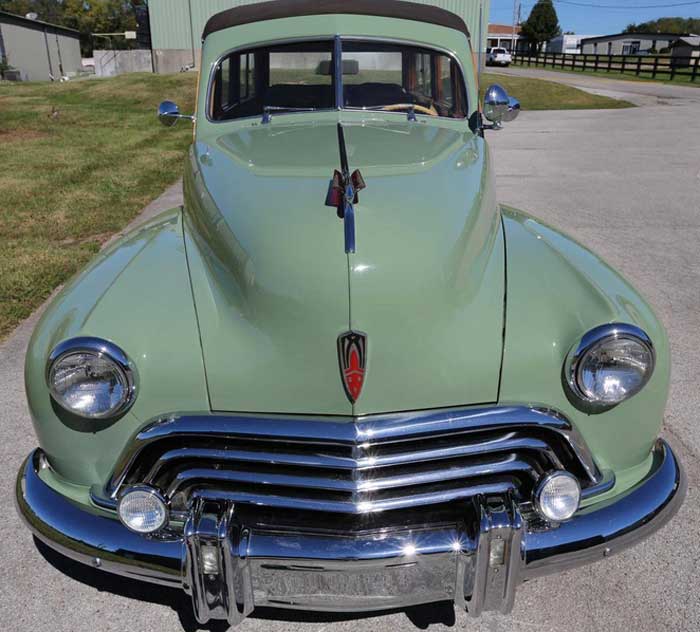
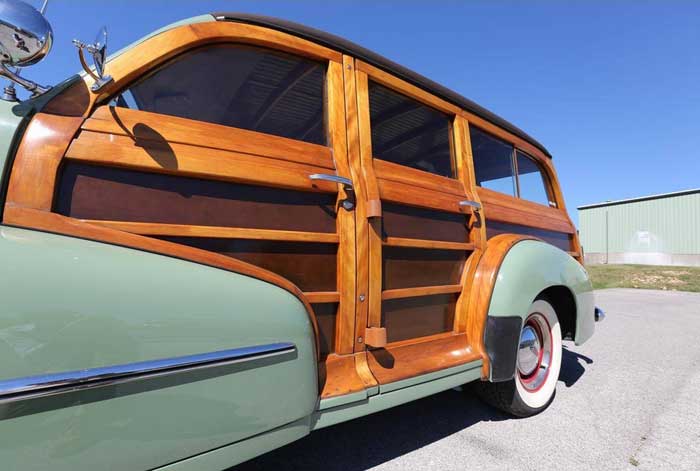
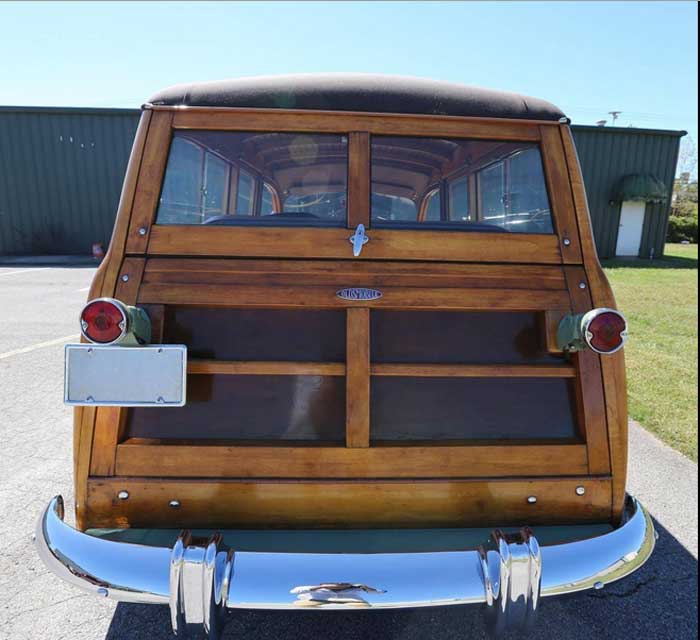
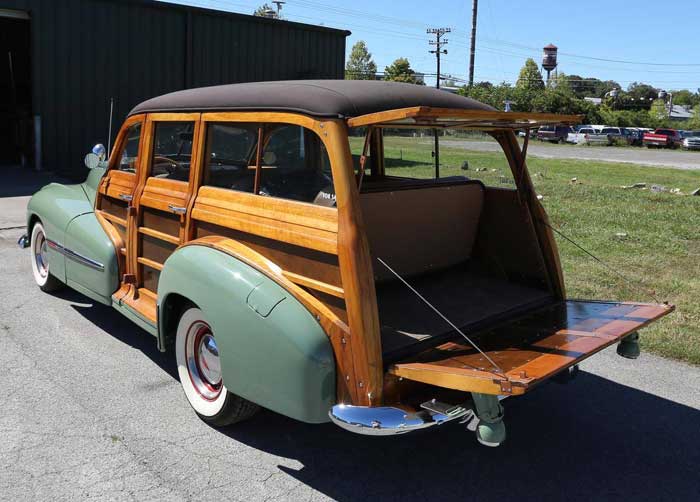
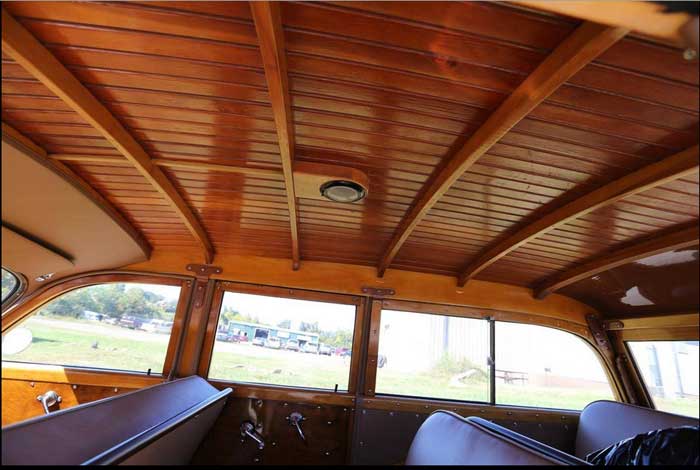
My favorite woody wagon is this 1947 Oldsmobile (with a later engine!)
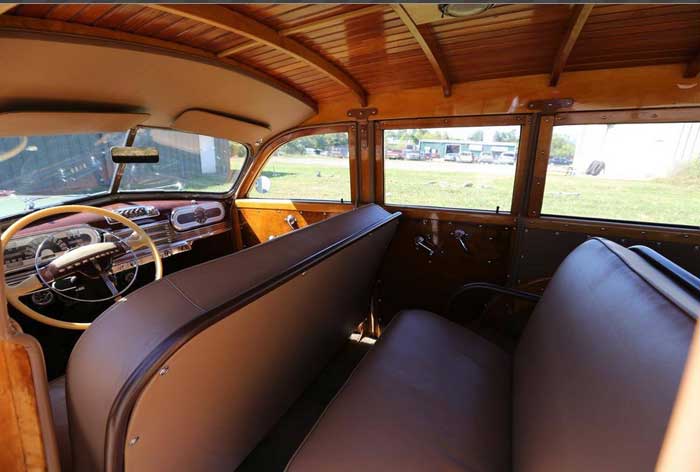
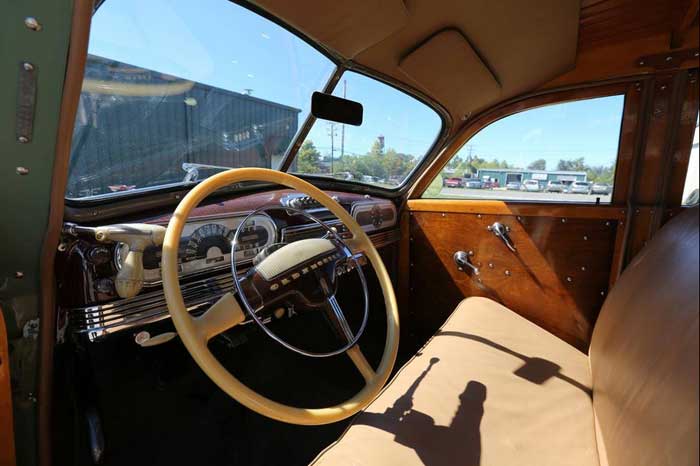
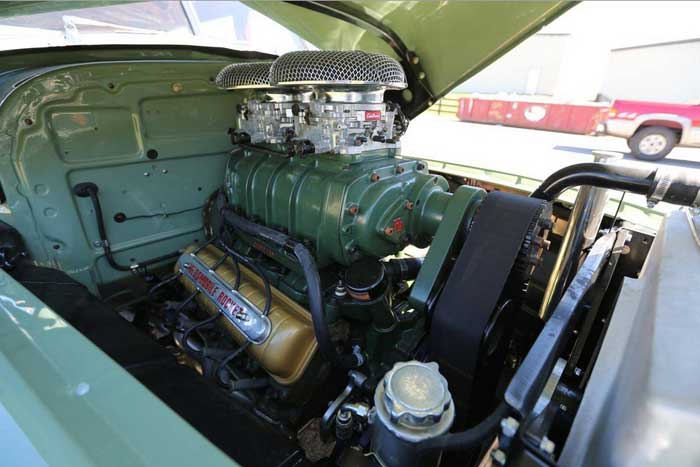
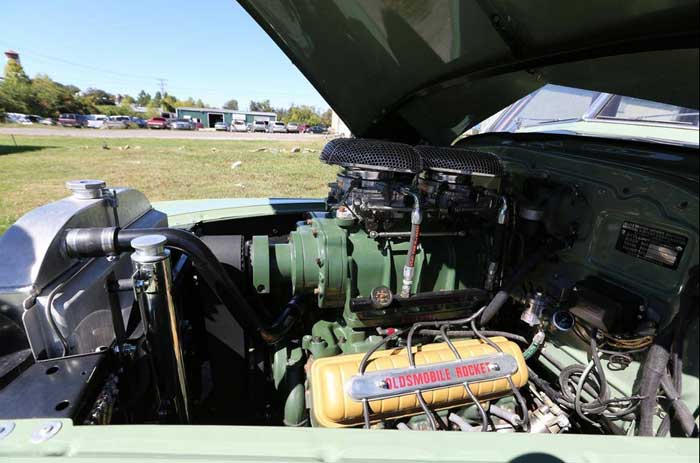
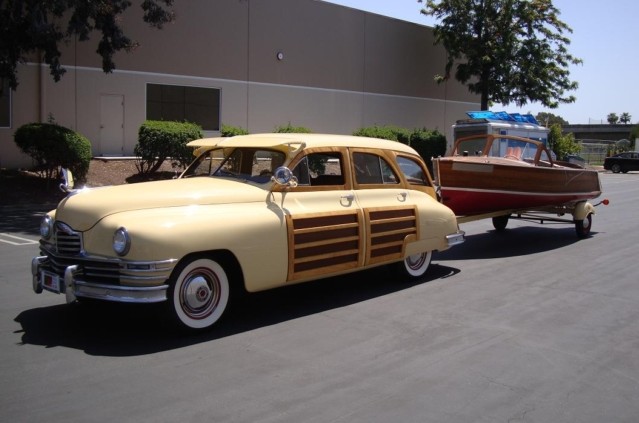
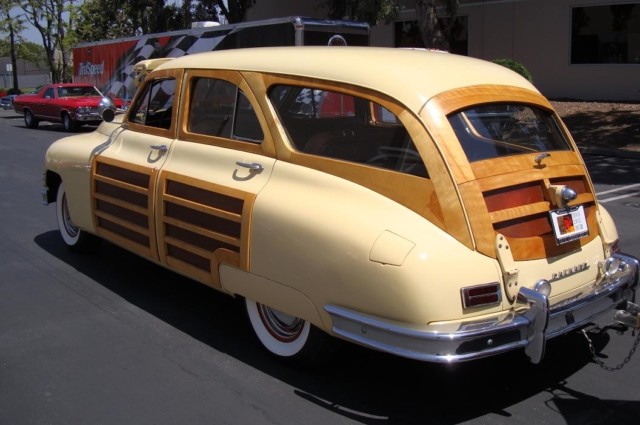
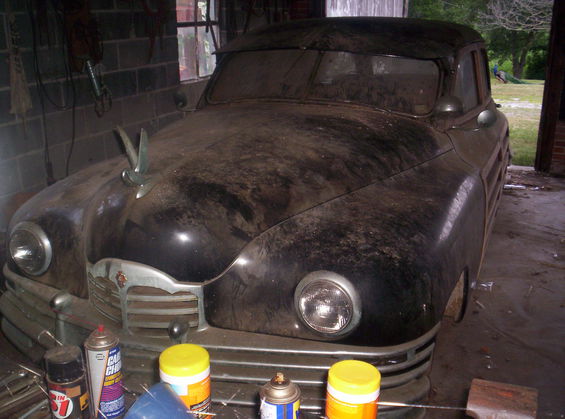
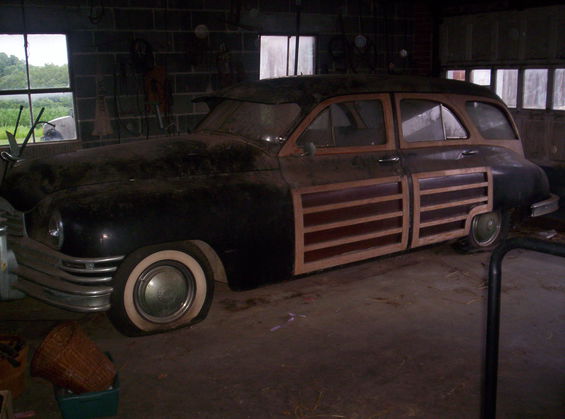
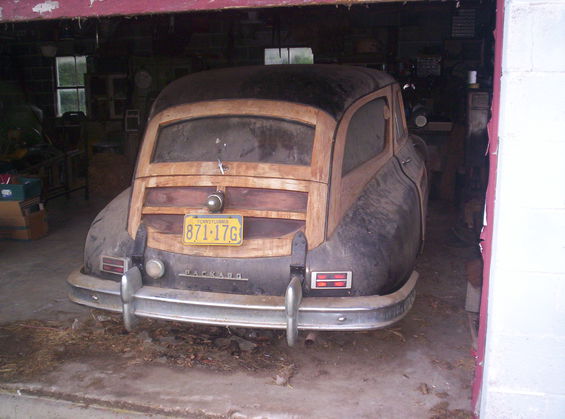
This 1949 Packard barn find was discovered in Amish country PA!
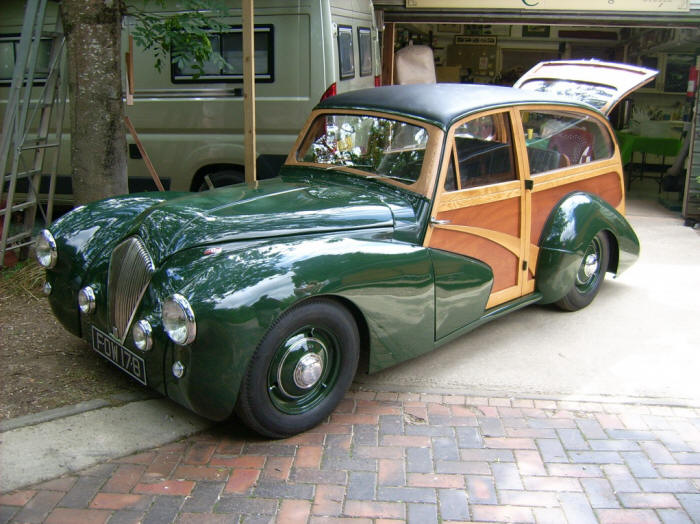
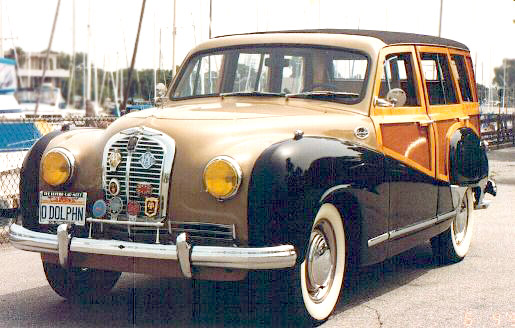
Even in Europe, wood-sided wagons were popular
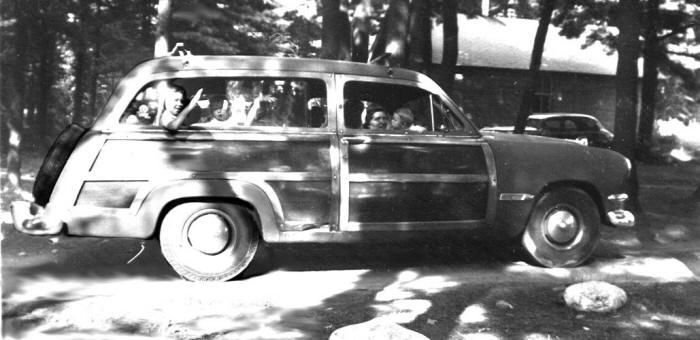
I am sitting somewhere in this '50 Ford
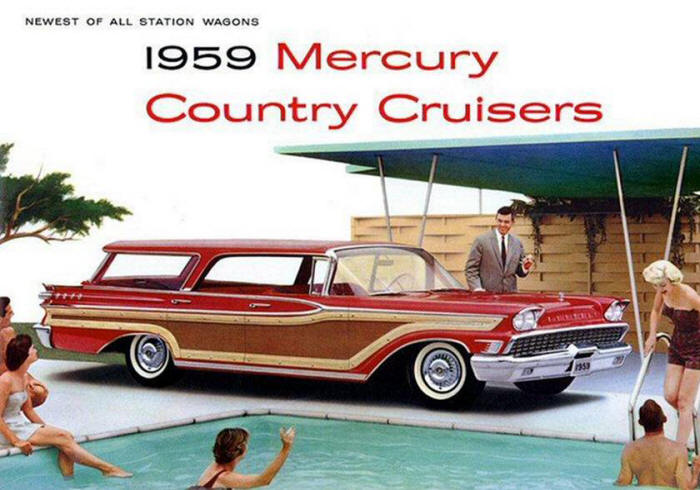
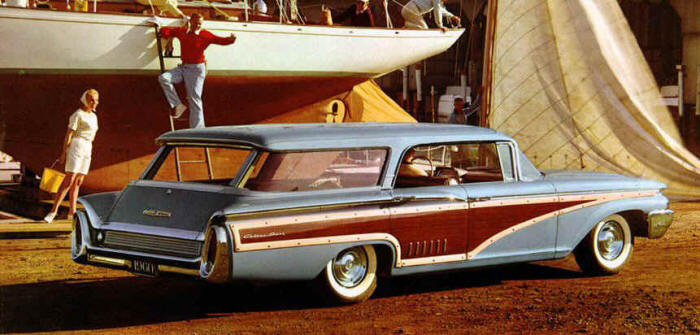
In the late fifties the trend changed to artificial wood decor
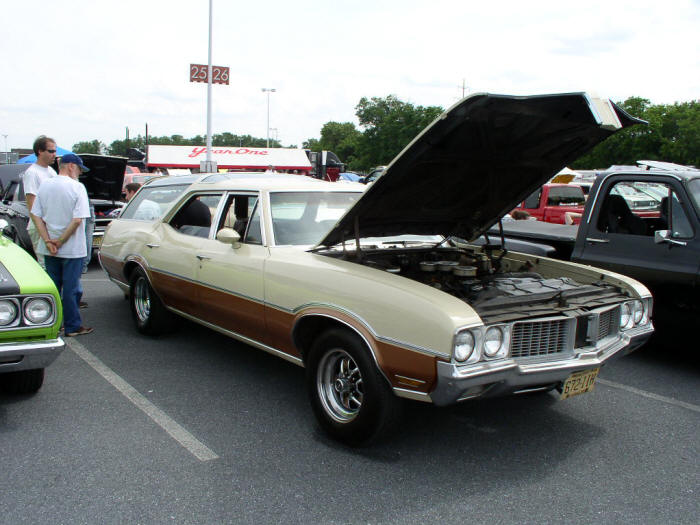
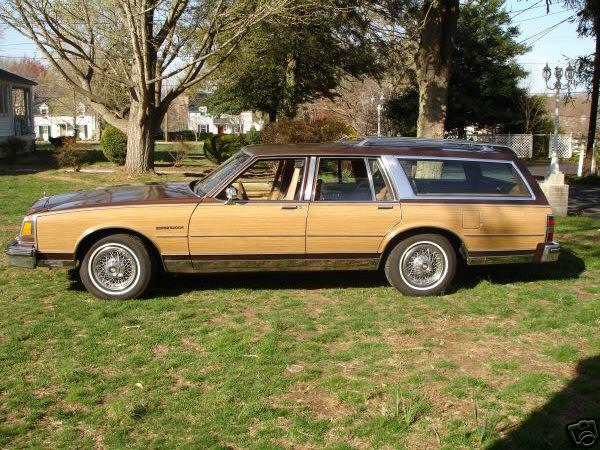
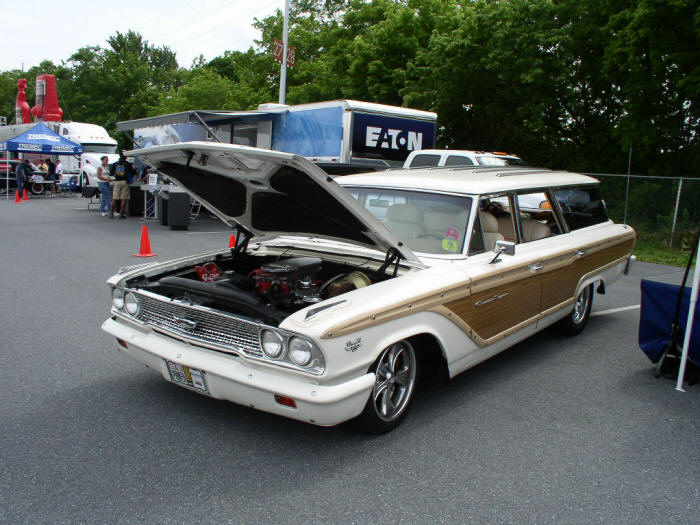
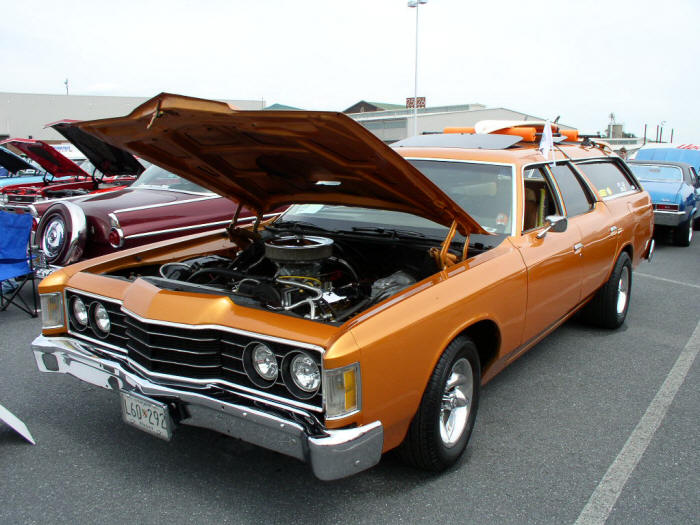
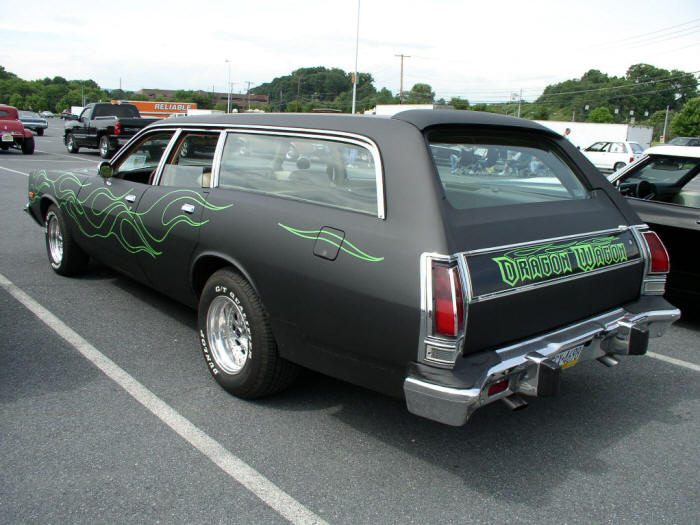
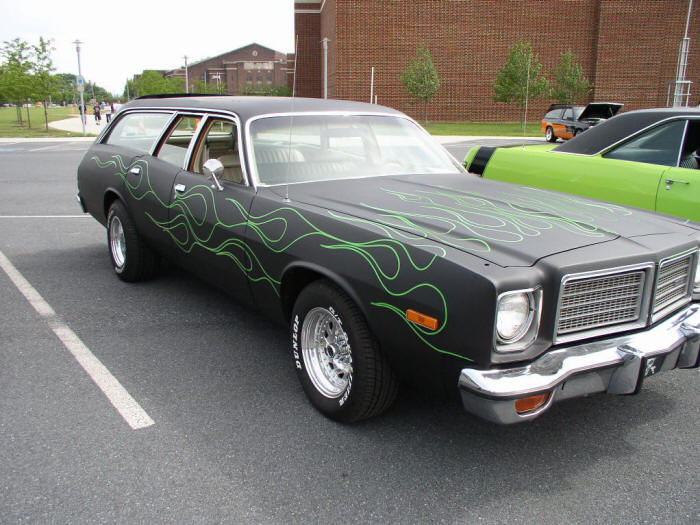
We had two Ford LTD wagons, this 1968 and a 1973 (the following photos)
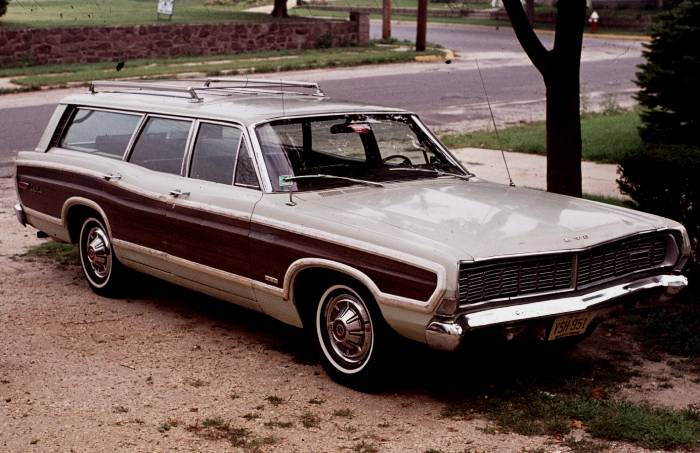
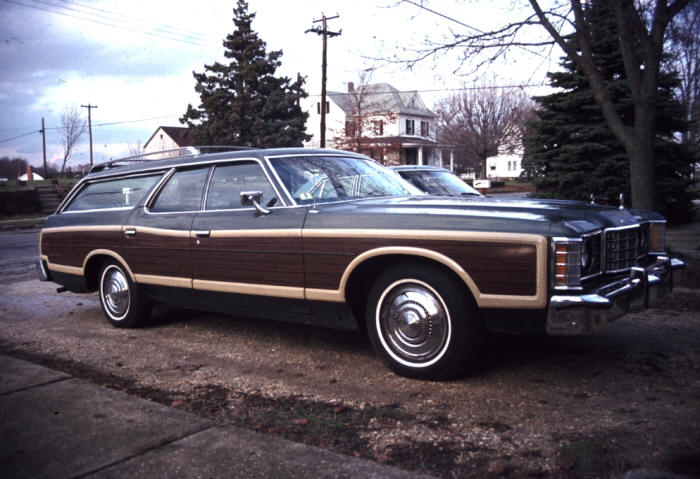
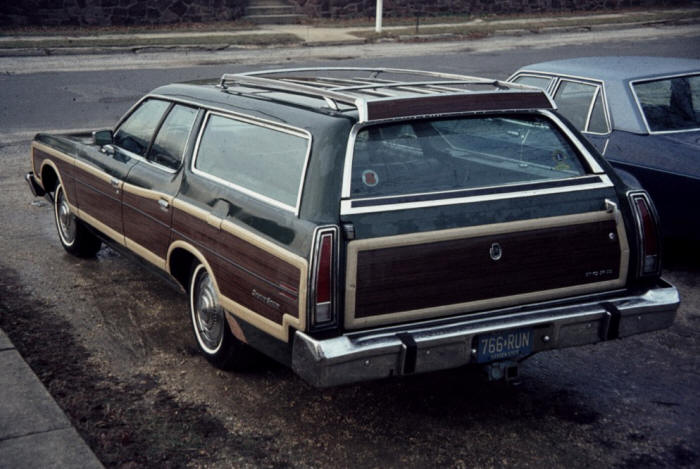
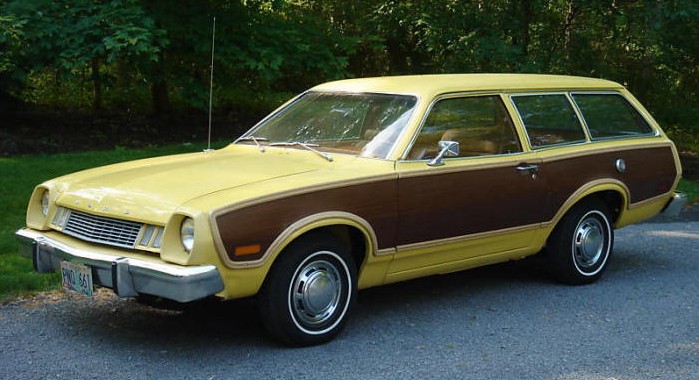
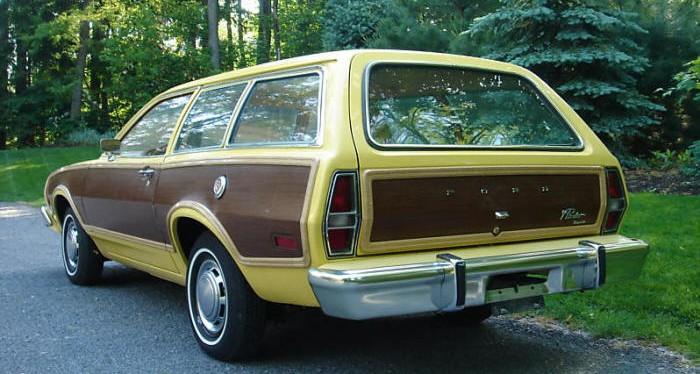
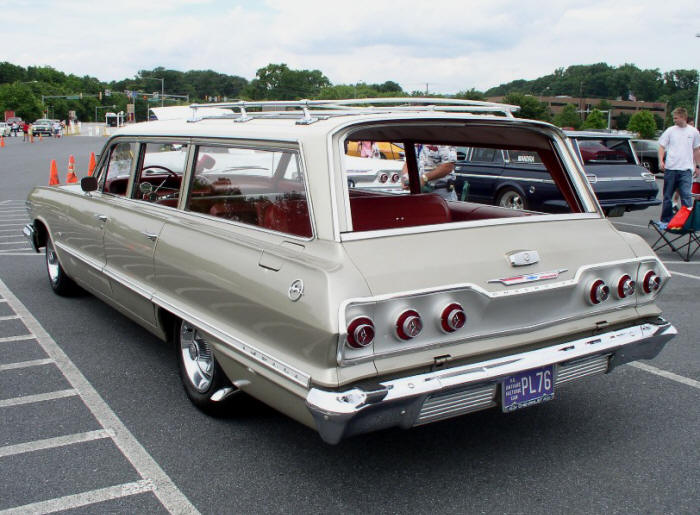
In the sixties and seventies, fewer wagons came with artificial wood trim.
I bought a 1974 Pinto without the woody look and exported it to Europe
where it drew a lot of attention. Europeans considered it a luxury car!
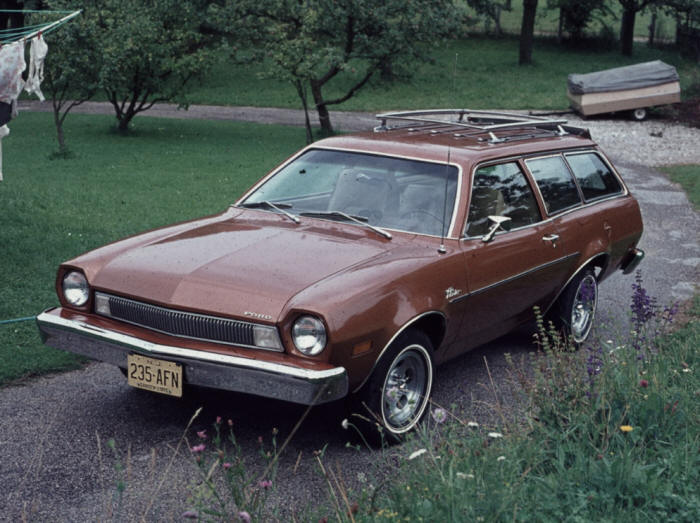
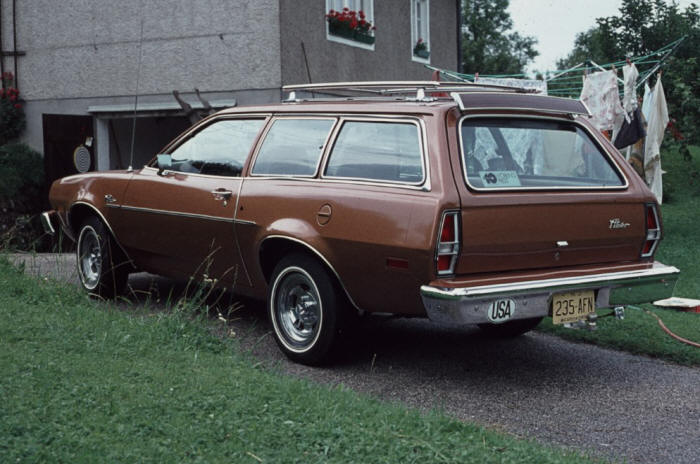
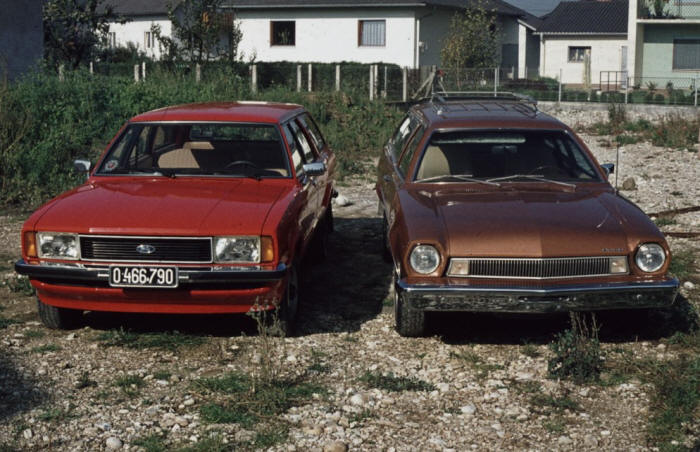
The Pinto was smaller than the German Ford wagon that we bought later.
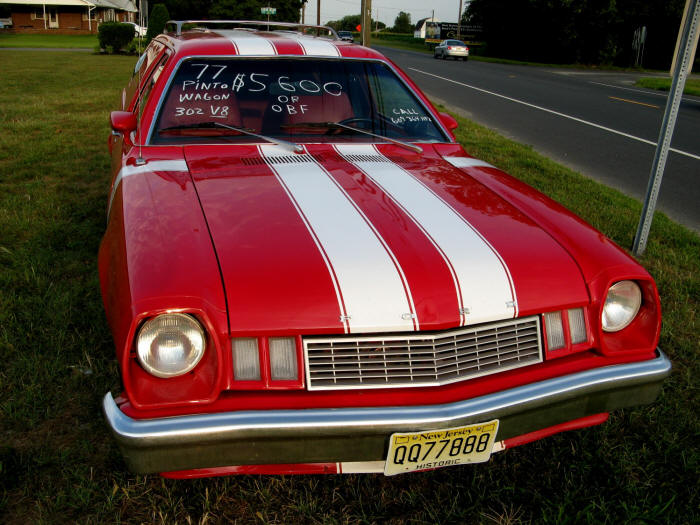
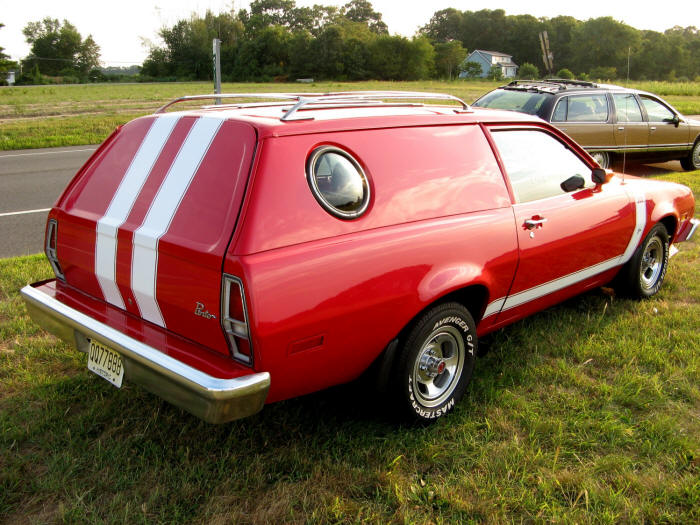
I recently saw this Pinto with a 302 V8 and was tempted to buy it!
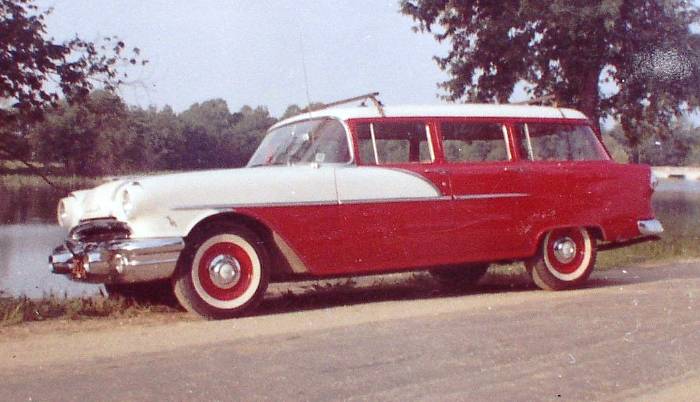
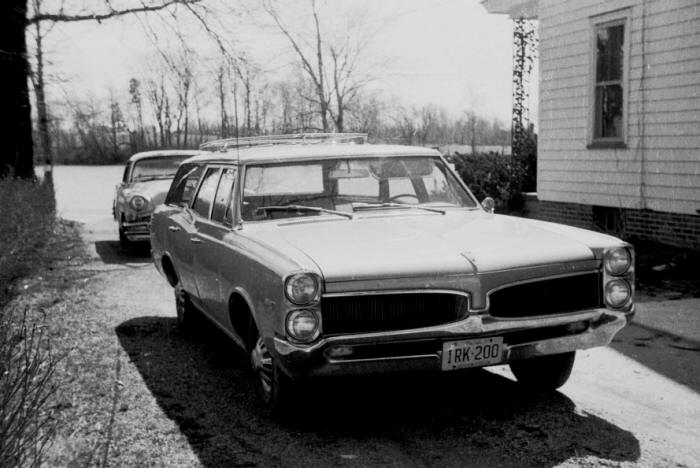
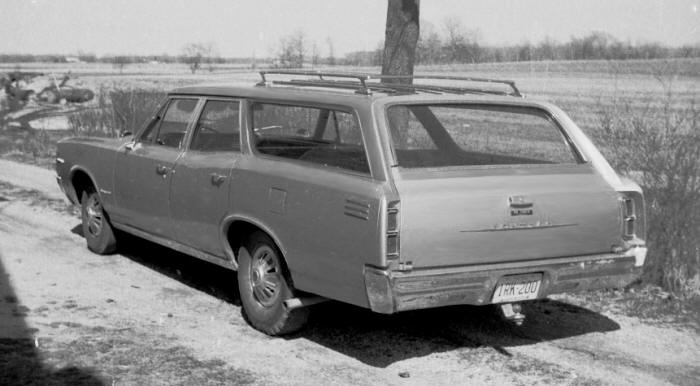
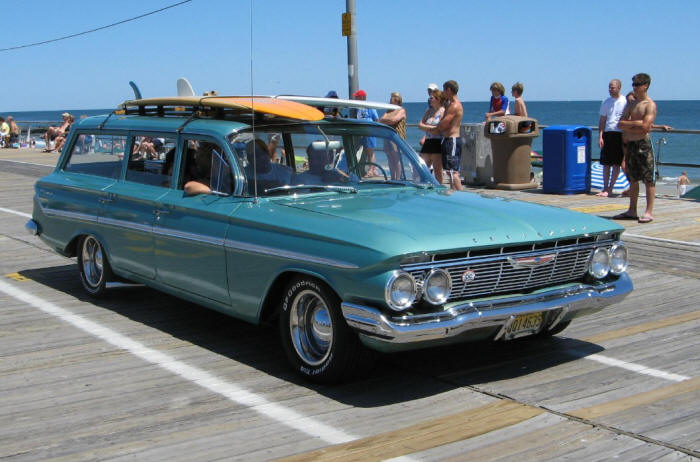
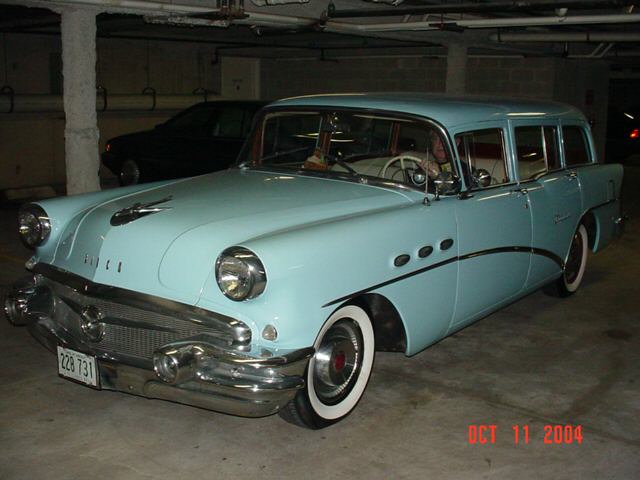
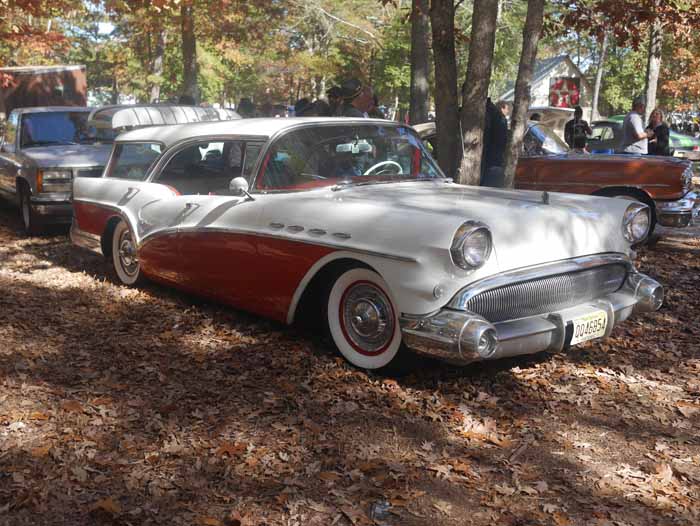
My father had many wagons including four Pontiacs pictured below.
The first was a '56.
In 1961 he bought one of the first Pontiac Tempest wagons with a 3/4" driveshaft!
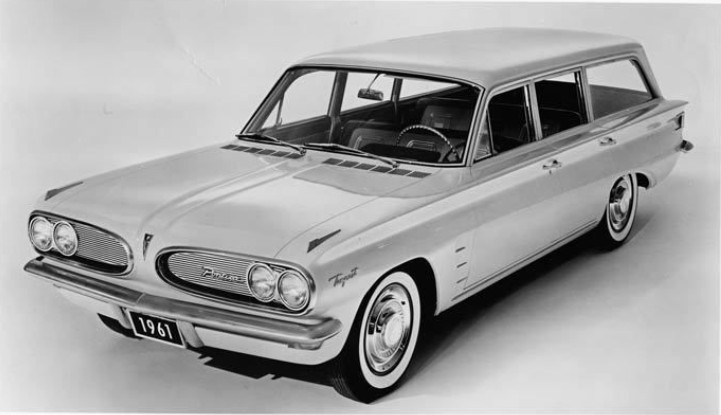
In 1967 he traded the '61 in for a 1967 Tempest - a wagon of course! In the 70's, he bought a third
Tempest wagon, which was a nice burgundy color. Sorry, no picture!
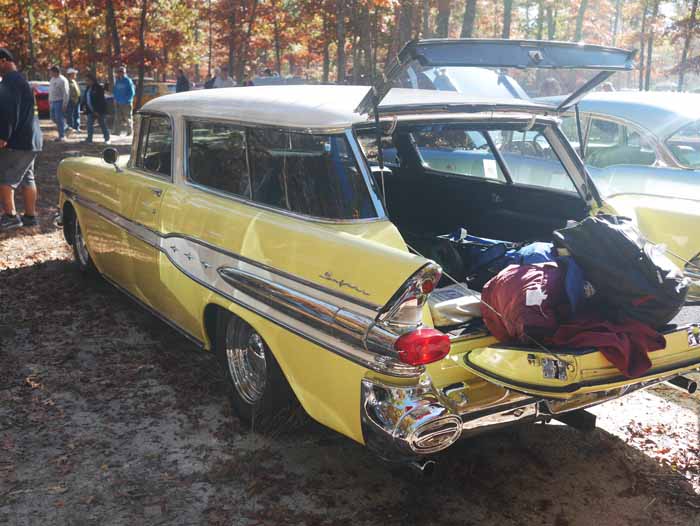
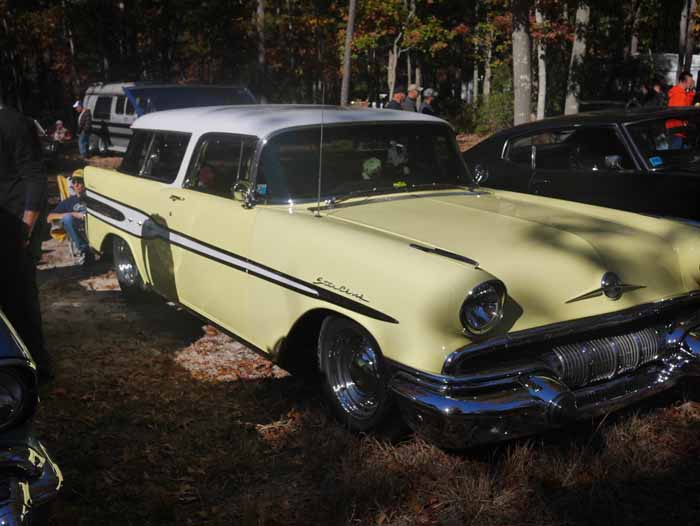
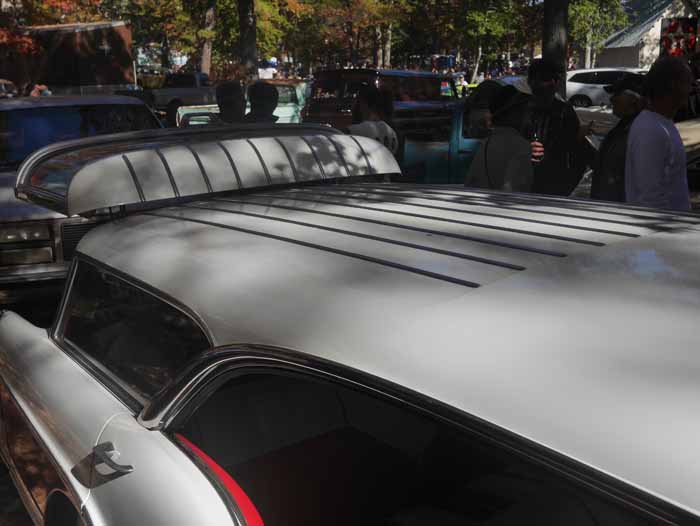
I saw this rare Pontiac Safari at the 2016 Pumpkin Run near Mays Landing in S. Jersey
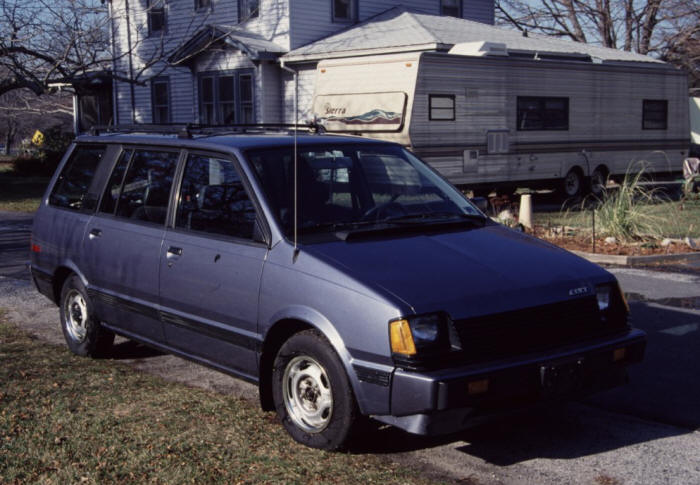
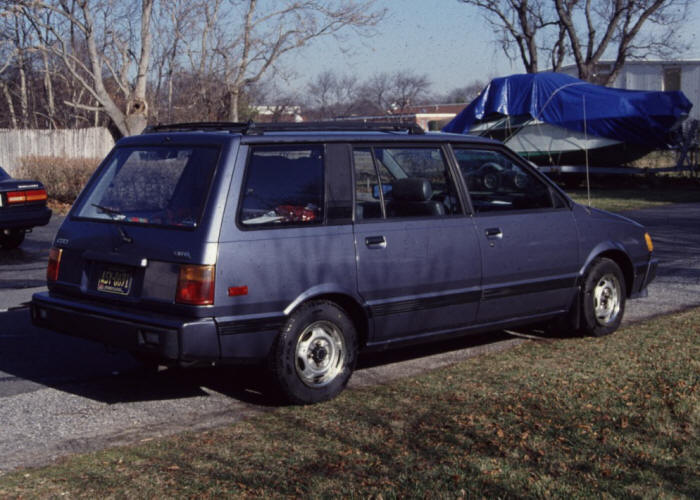
Our '83 Dodge Colt Vista was considered to be one of the earliest minivans.
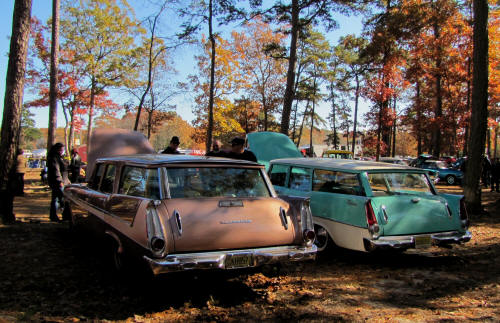
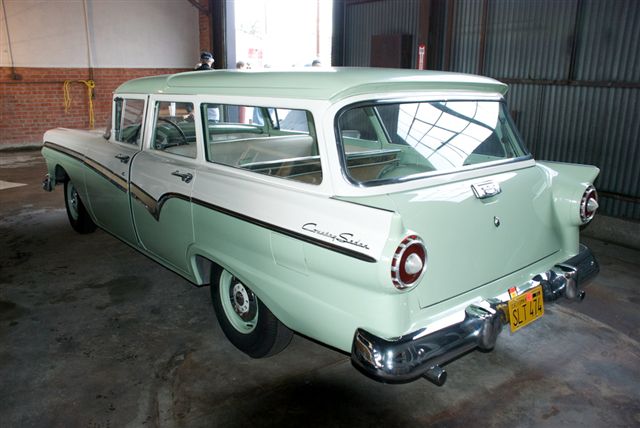
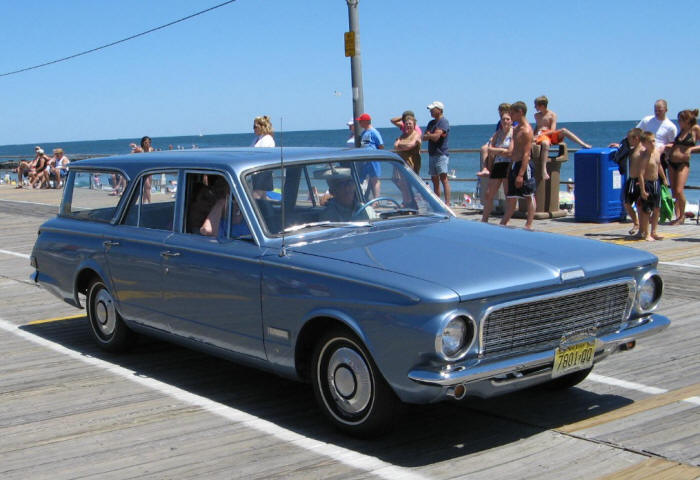
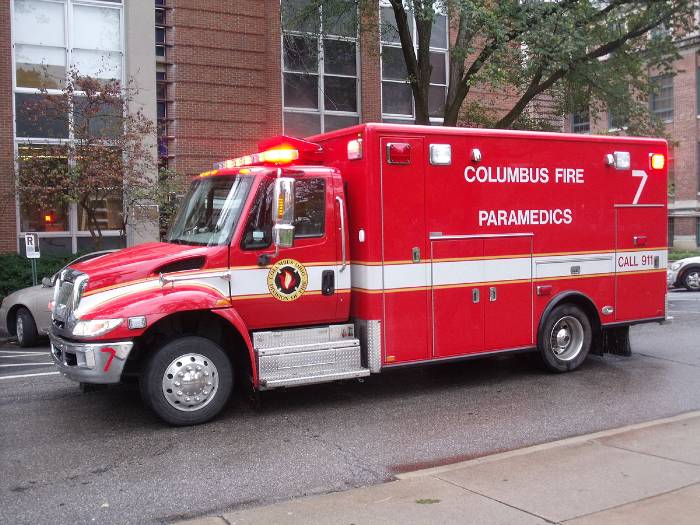
Why is it that ambulances that transport sick and injured people are rough-riding box
trucks, while the dead get to ride in luxurious wagons with every comfort?
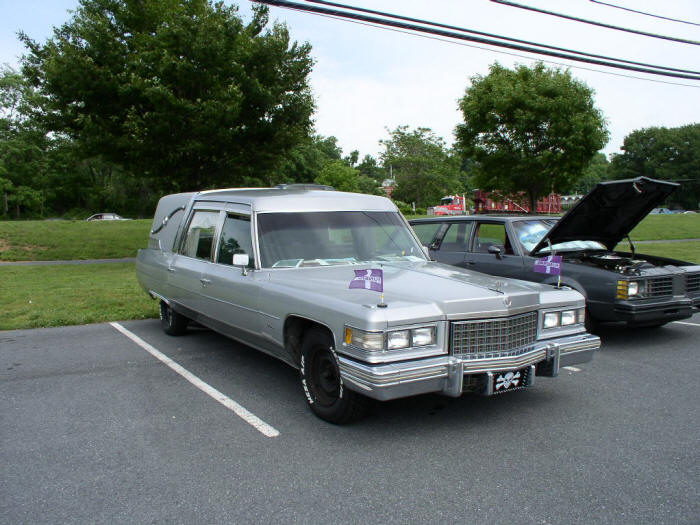
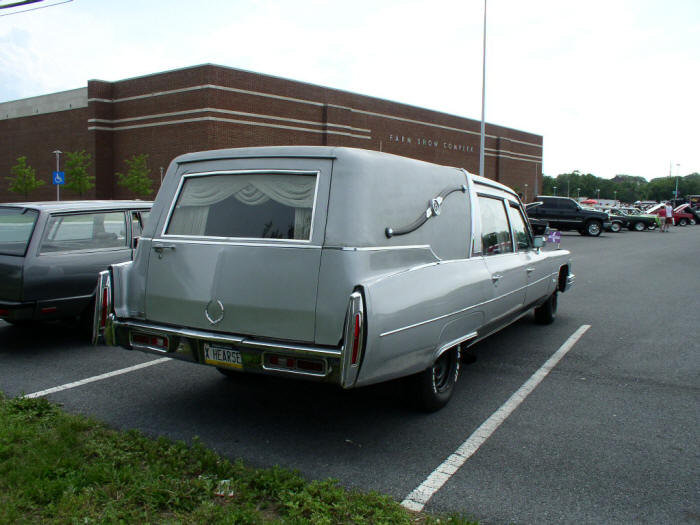
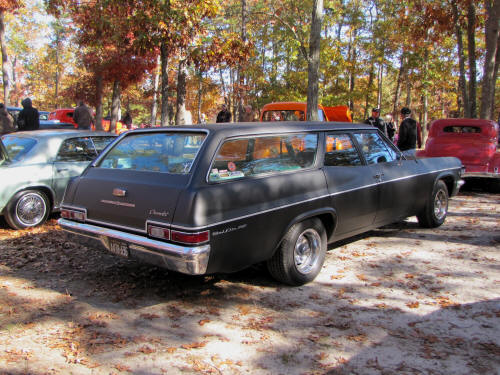
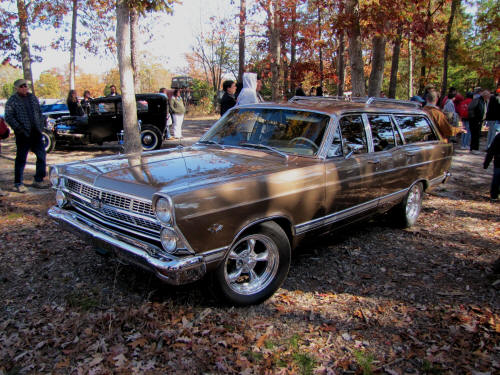
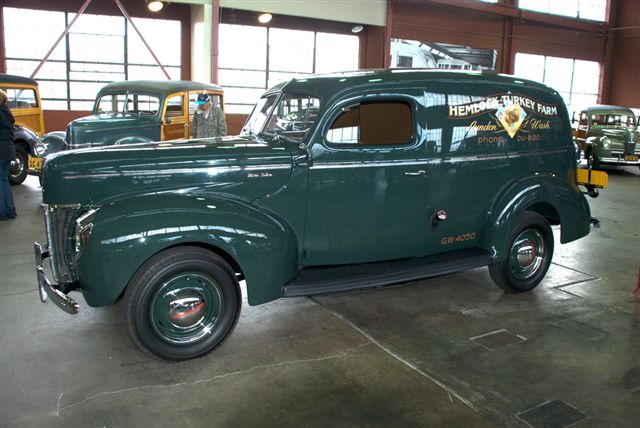
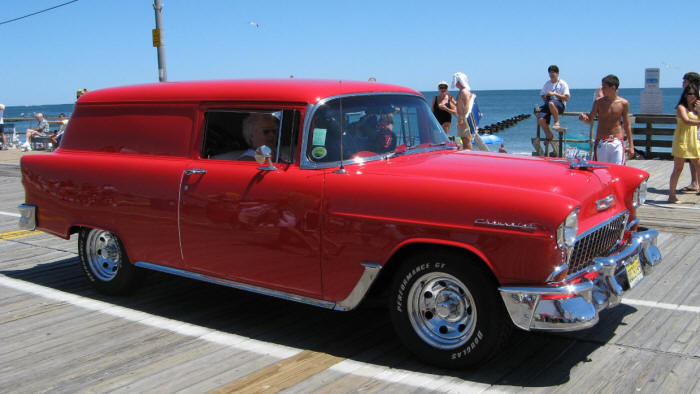
Windowless wagons have been around for a while, but they
became more common in the 40s and 50s.
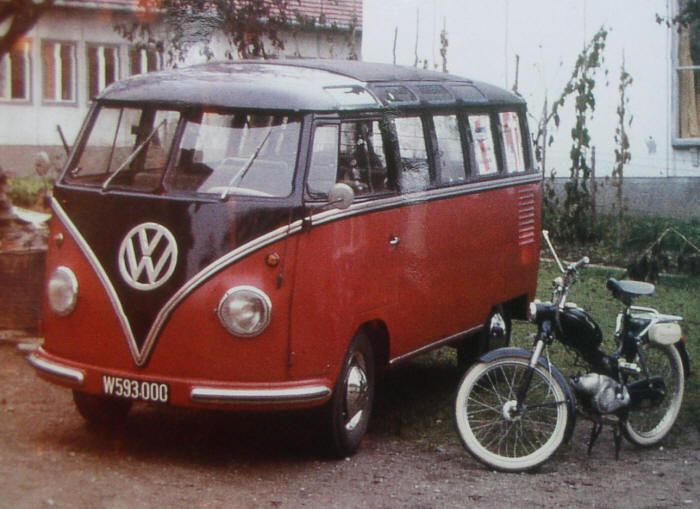
Europeans went in the other direction with the VW Samba bus.
Here is my '57 bus with 27 glass panes to wash,
a folding sunroof, 9 seats but only 34 hp to push it up hills!
I bought this bus new in '67! It would be worth over $20,000
today, but not near
as much as the "57 Samba!
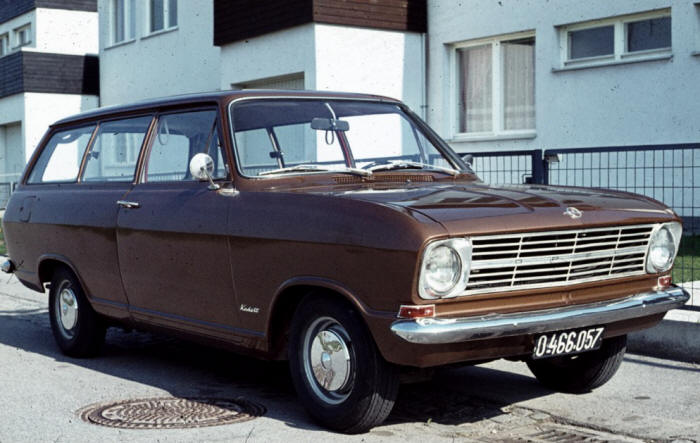
Europeans like wagons. This was my Opel Kadett right after
painting it.
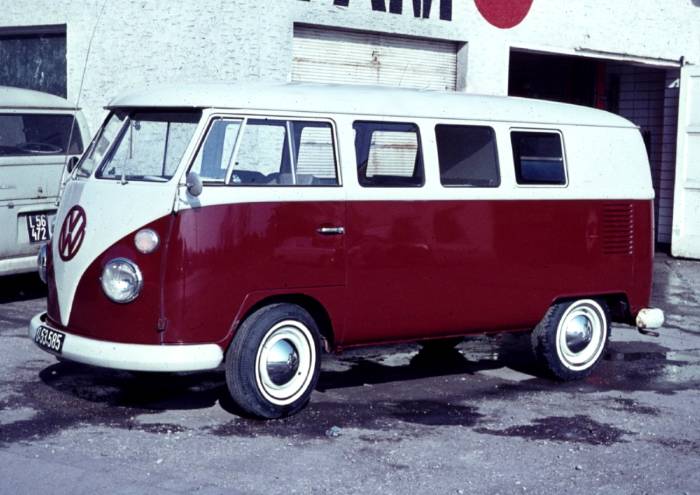
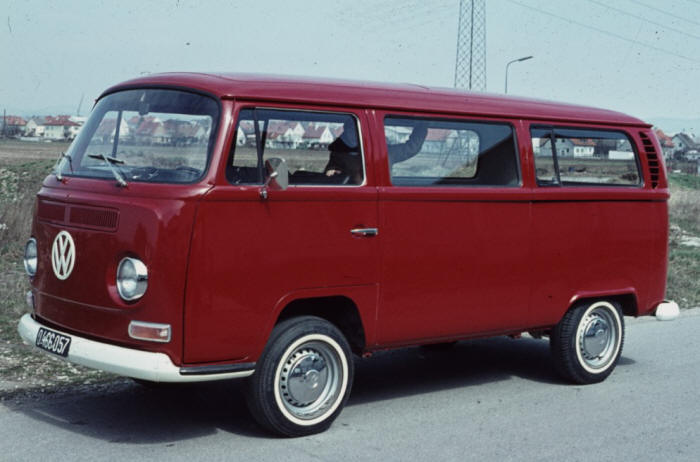
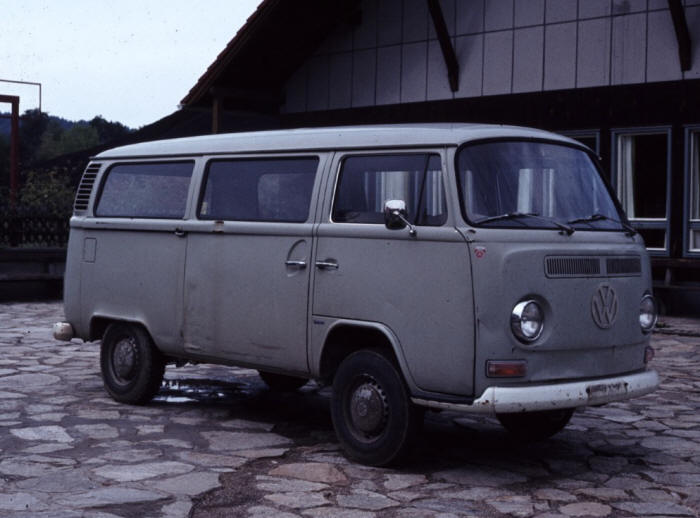
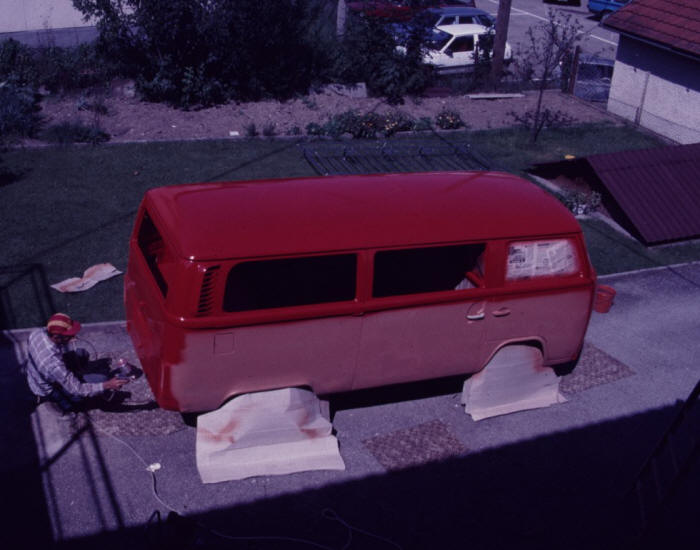
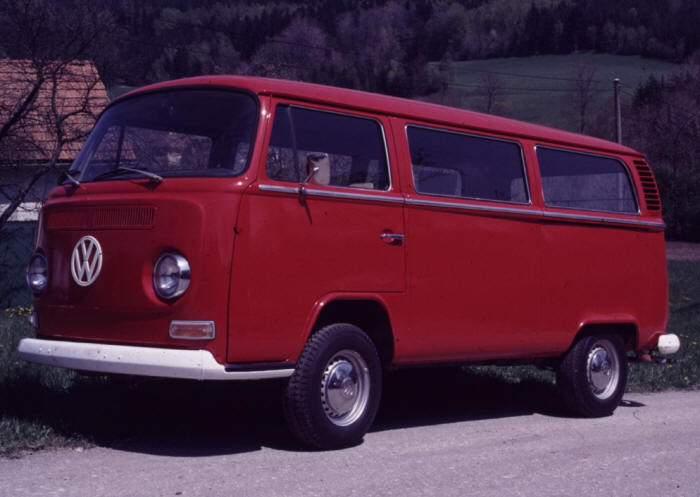
While living in Europe I owned a total of nine VW vans
I painted four of them. Here is a "before" shot...
...and the "after" shot.
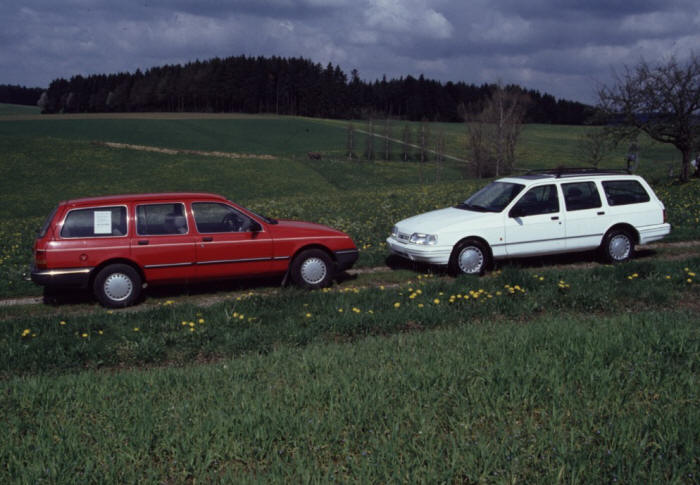
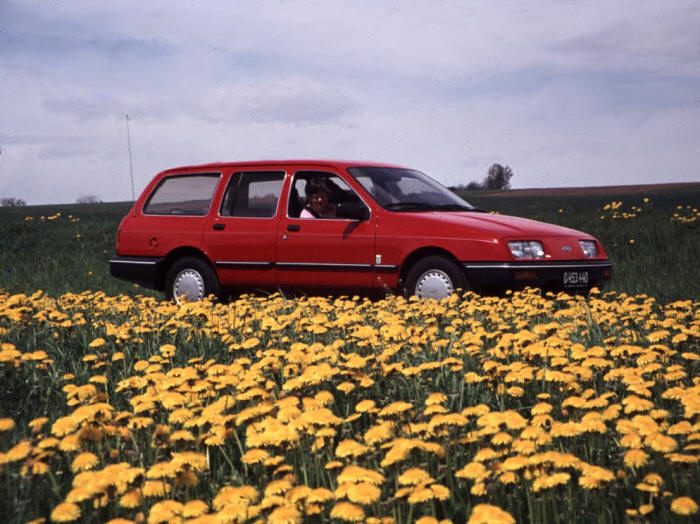
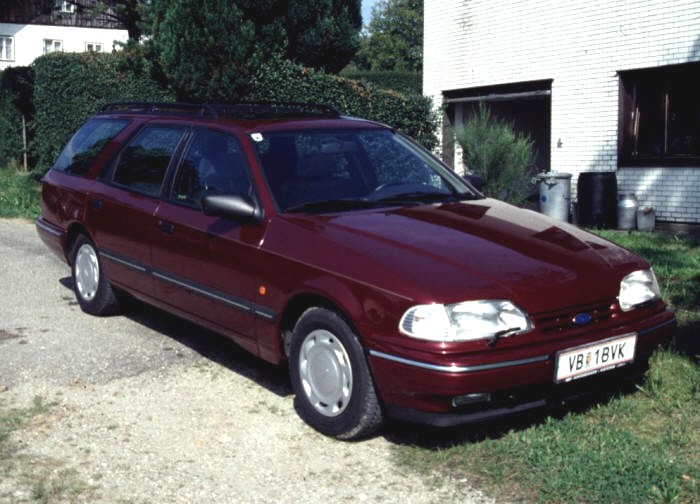
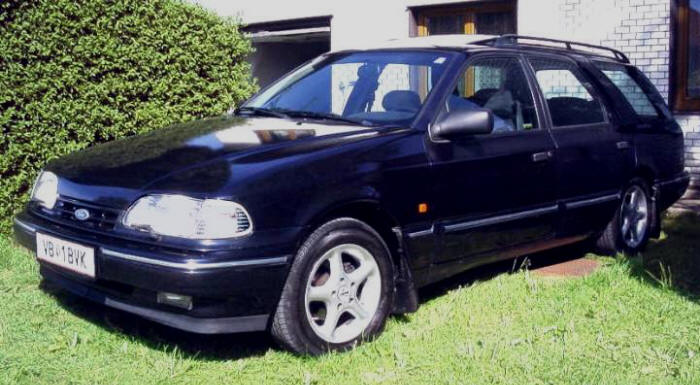
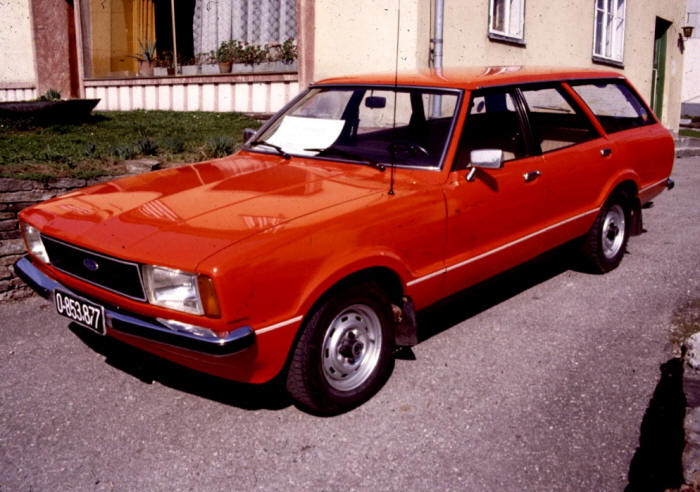
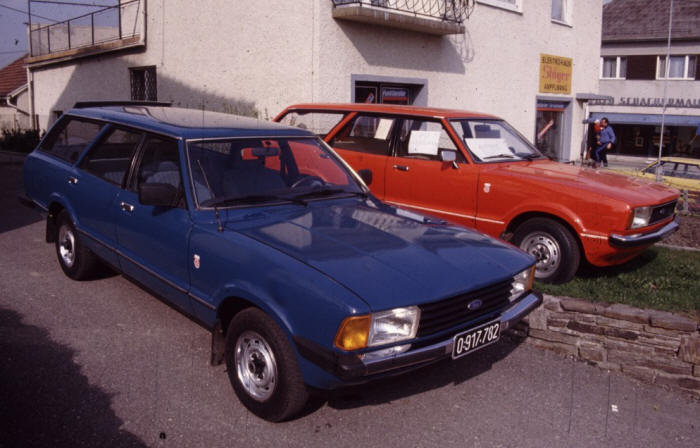
I had eight Ford wagons in Europe: 3 Sierras, 2 Scorpios, 2 Taunus and 1 Pinto.

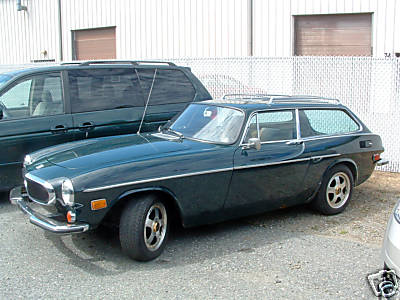
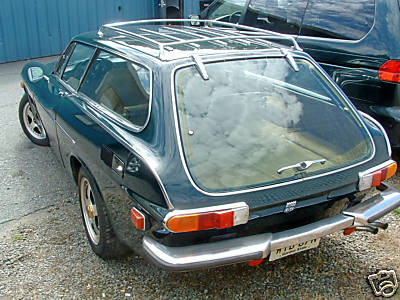
I never owned one, but I love the styling of this 1972-73 1800ES Volvo wagon -
0nly 8,077 were built!
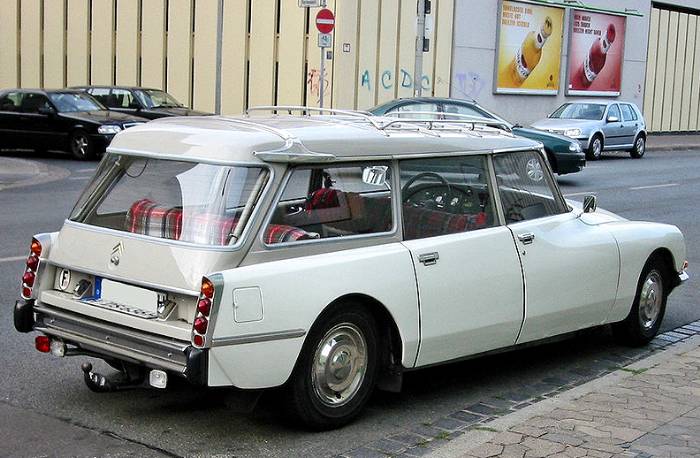
Here is a French Citroen wagon from the seventies. Click here to download a
PowerPoint
(4 MB) about these French classics.
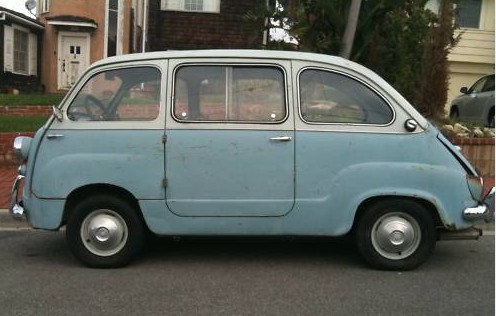
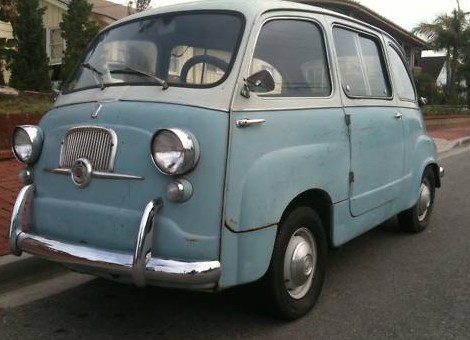
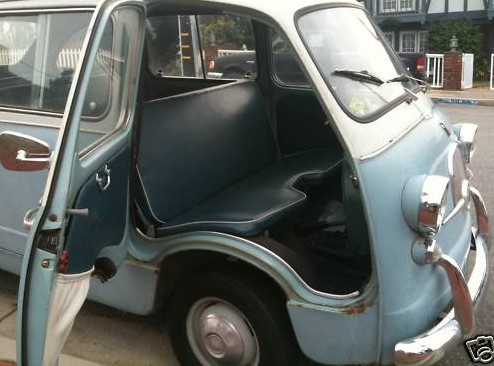
The Fiat Multipla was built from 1956 until the early 60s. It is a forerunner
of the minivan. The early models had only 19 hp to carry 7 passengers, but
they later got 27 hp engines! I had two of these.
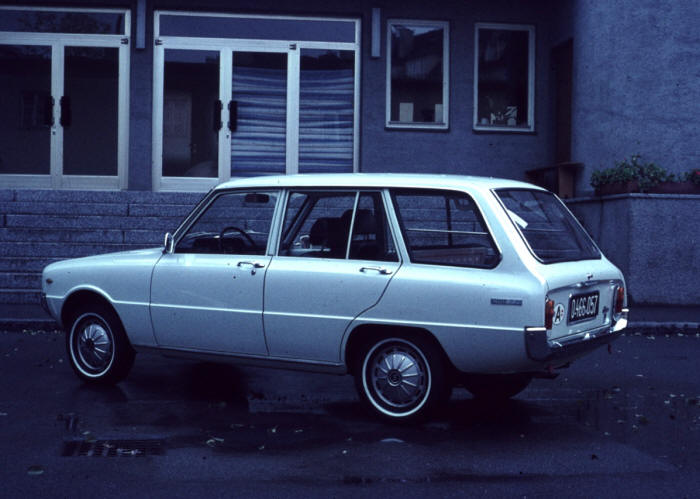
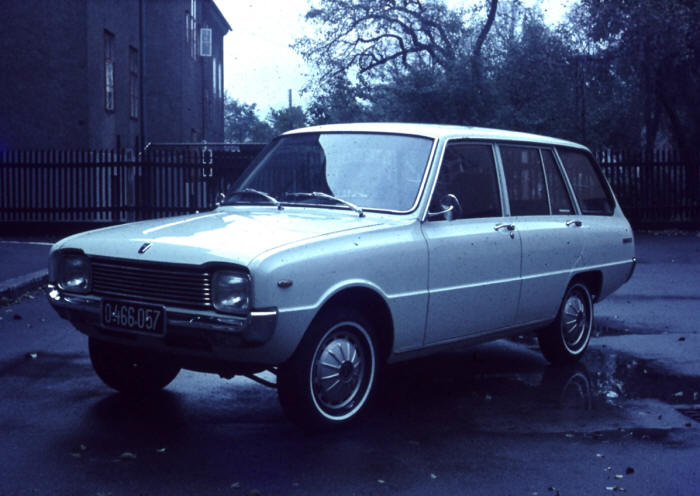
I bought one of the first Mazdas sold in Austria in 1970.
This 1200cc wagon was only sold in Europe.
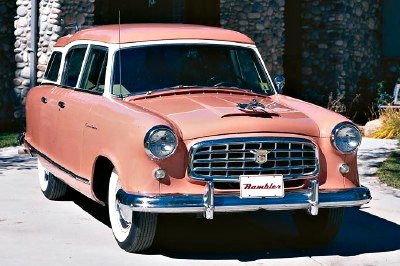
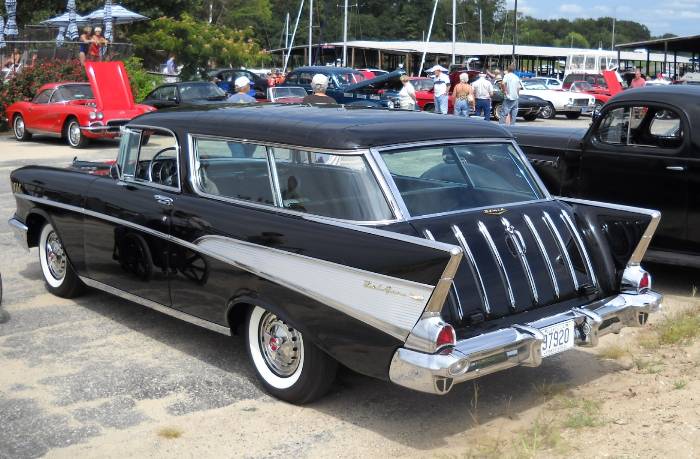
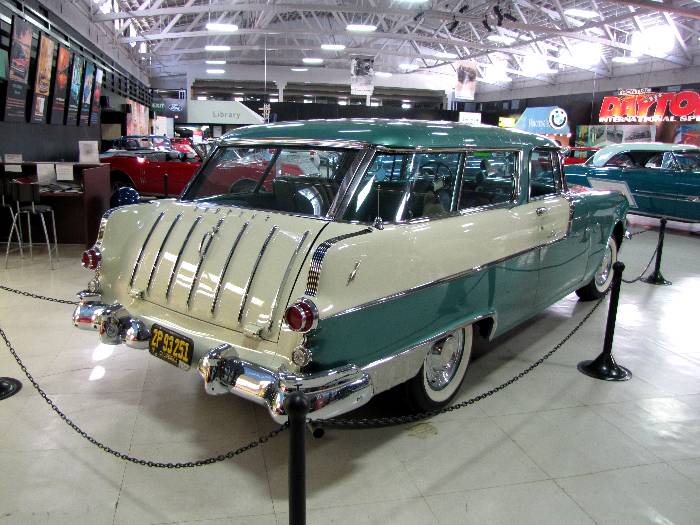
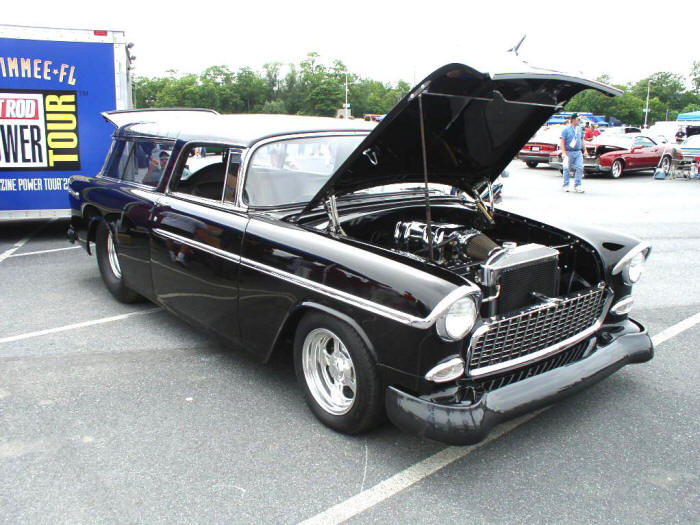
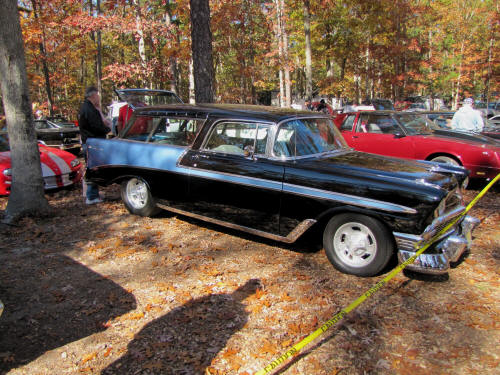
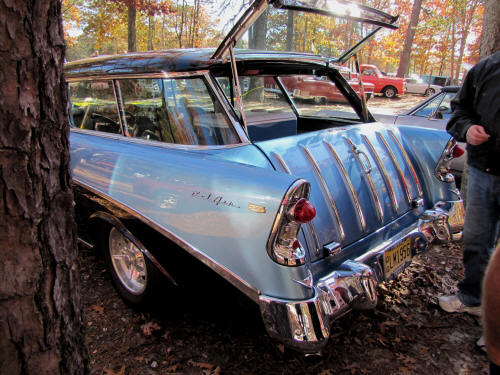
The Chevy and Pontiac Nomads were probably the classiest wagons made!
UNUSUAL WAGONS
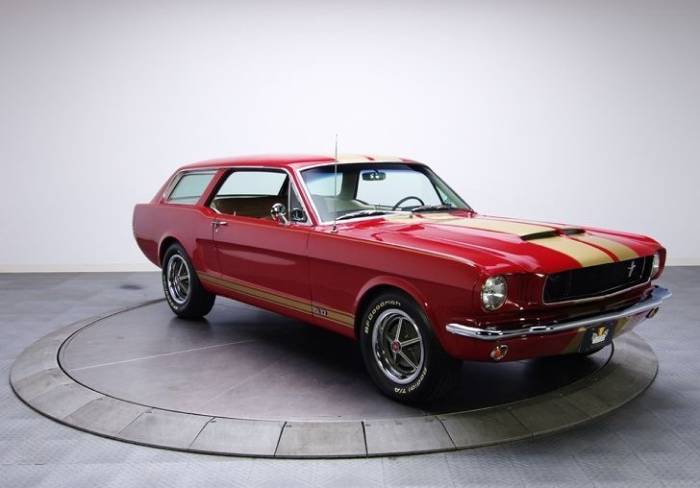
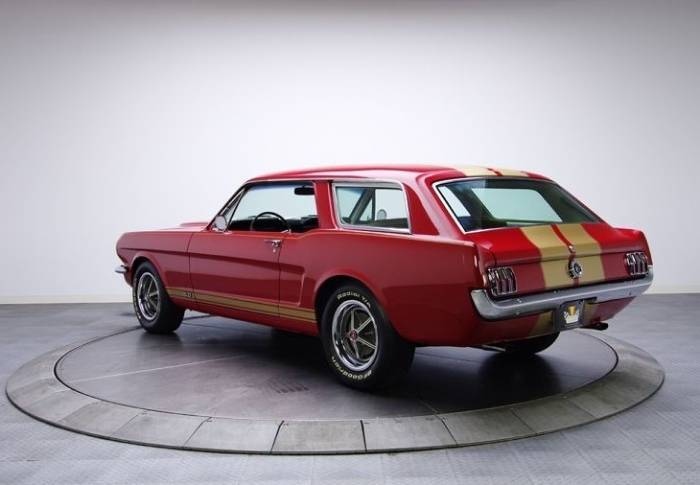
There are a couple of Mustang wagons in existence, but they were custom built.
The same is true of this VW "Shorty"
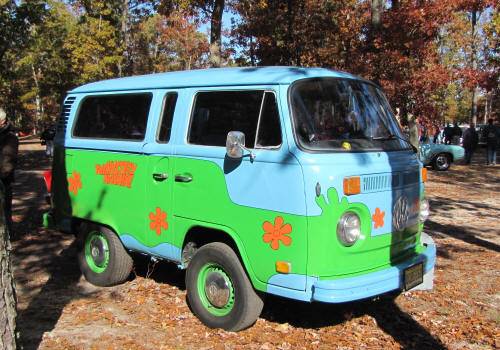
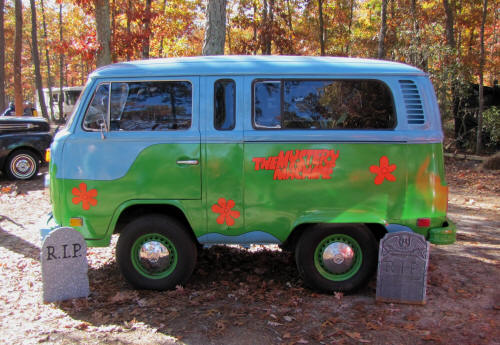
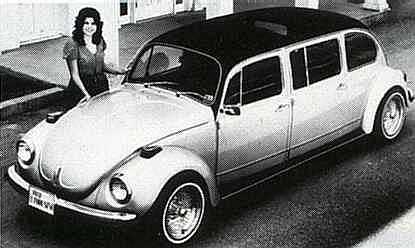
A VW wagon, or stretch limousine?
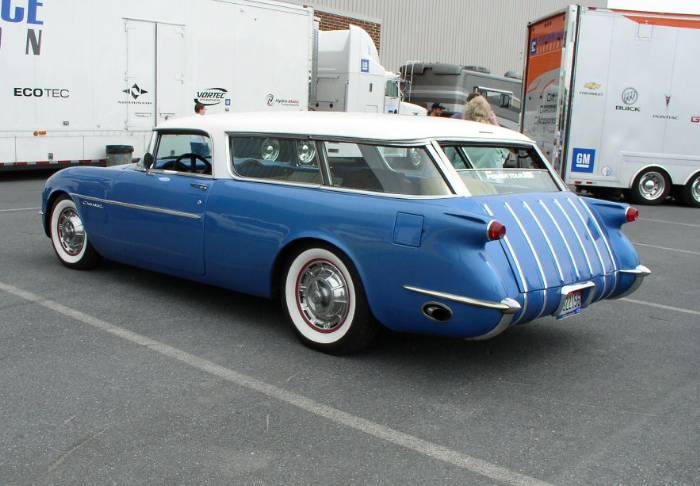
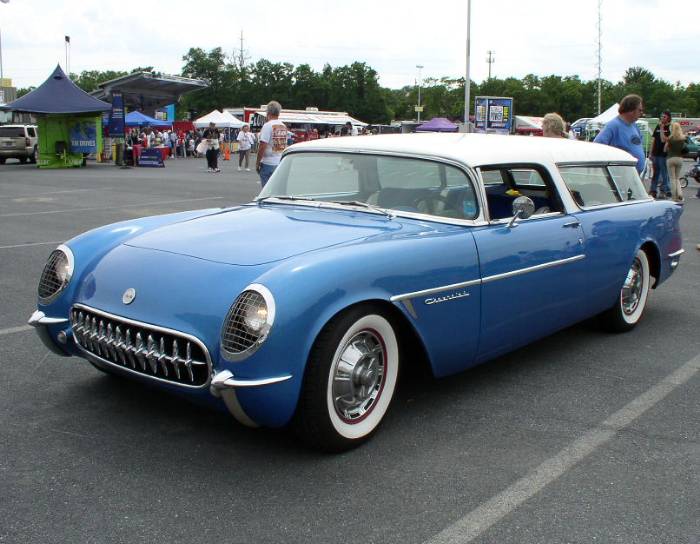
Some have attempted to create Corvette wagons...
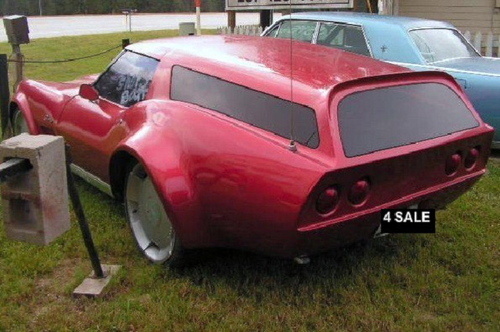
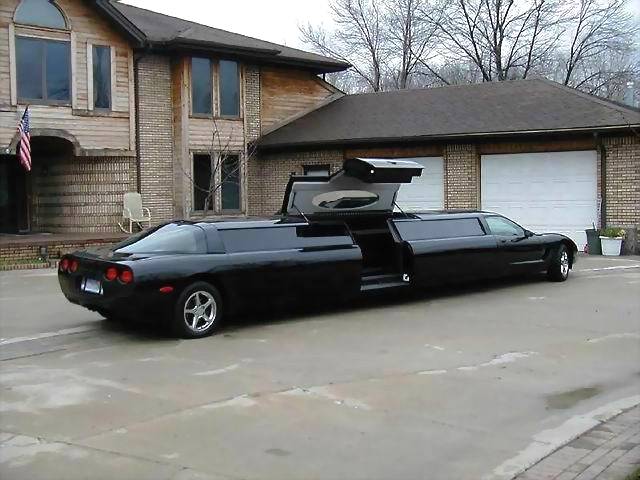
This Nomad Corvette really appeals to me!
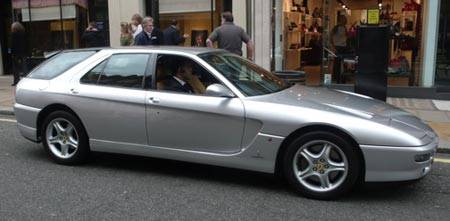
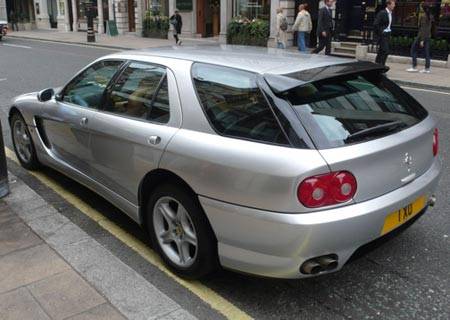
Someone even made a Ferrari wagon -- perhaps with a trailer hitch?
A re-worked Henry J Kaiser!
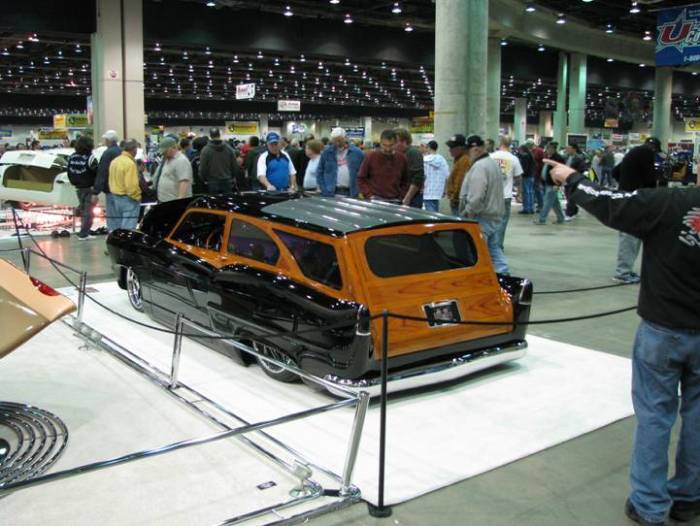
Don't
ask - Don't tell!
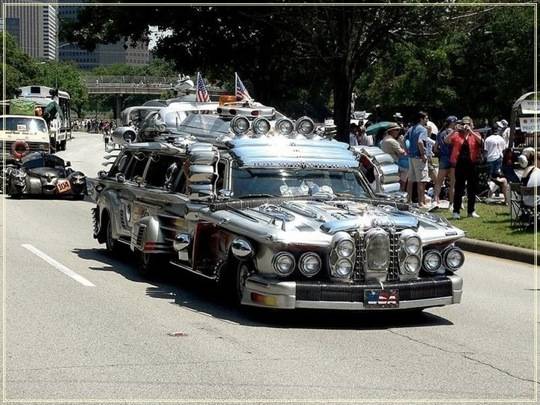
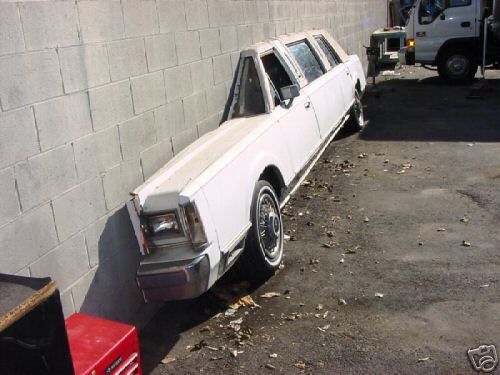
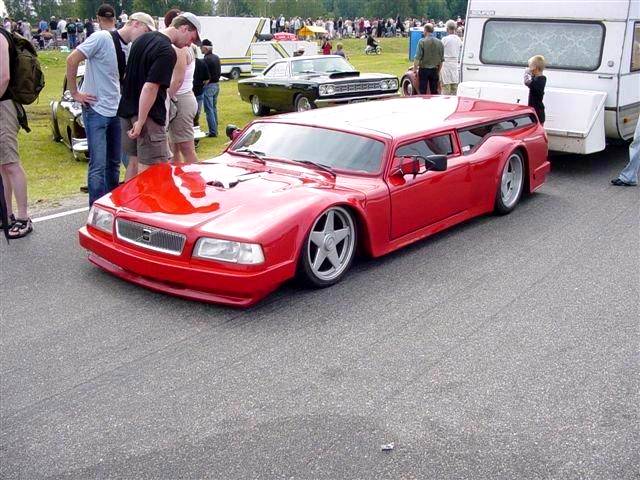
It's called a "Nun Runner"
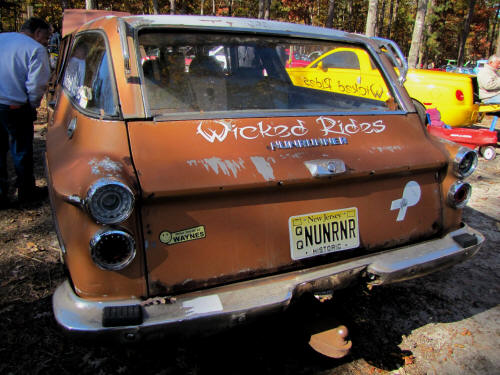
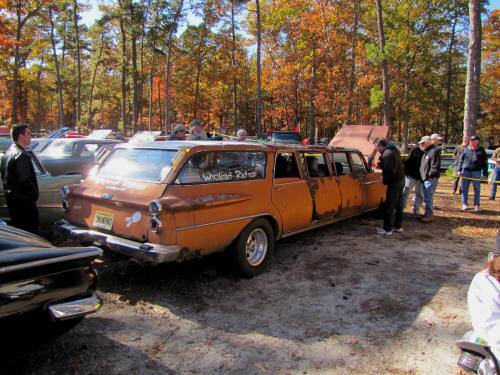
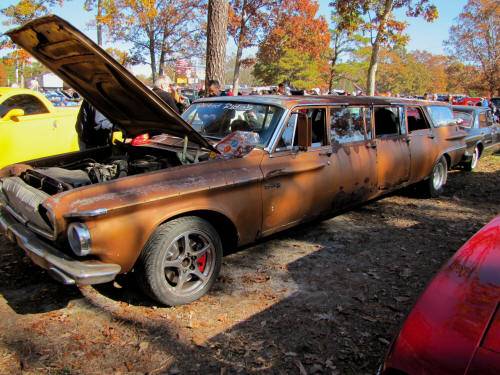
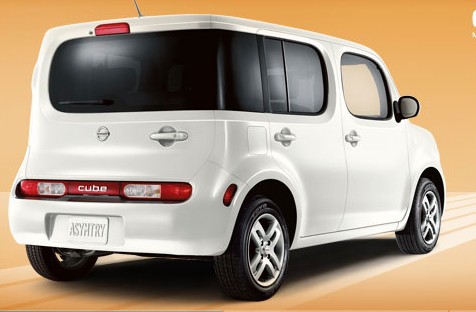
Rightly named -- the Nissan "Cube" with lop-sided windows!
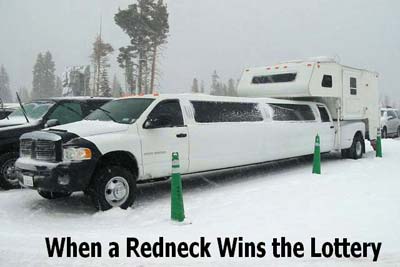
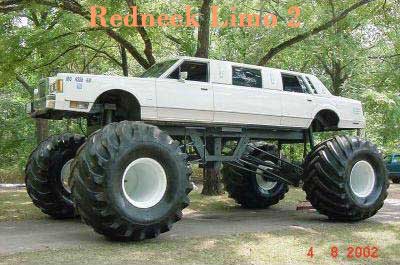
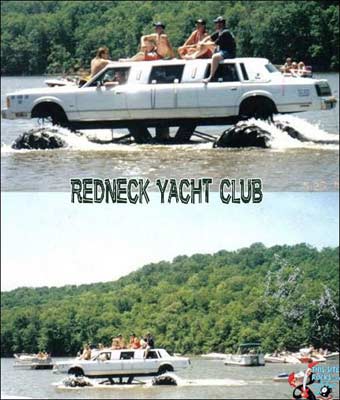
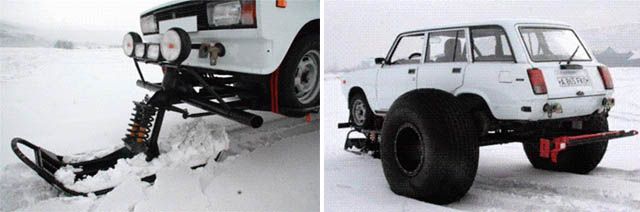
I think this is a Russian skimobile!

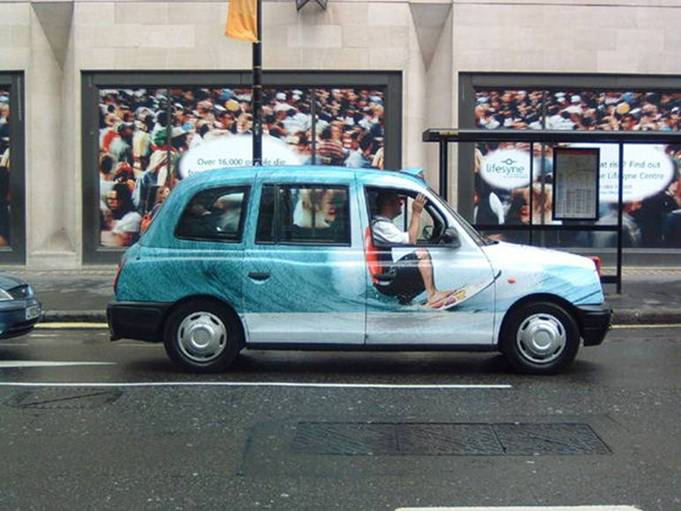
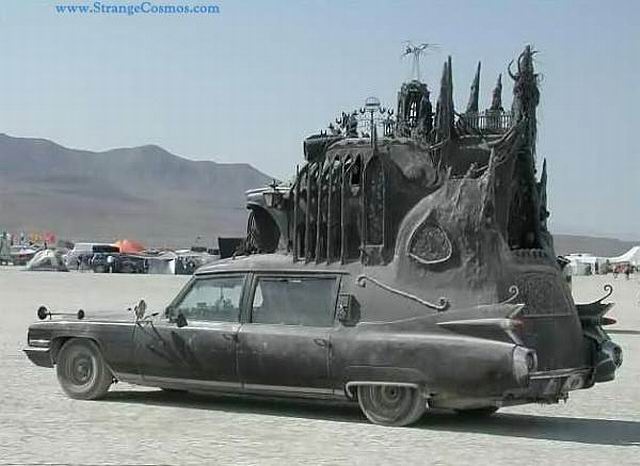
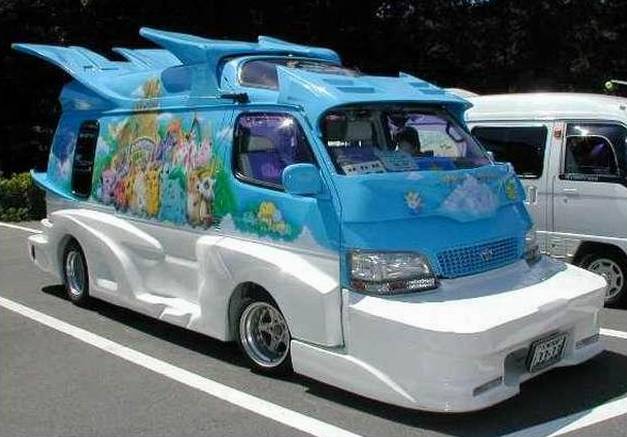
A Saudi had this built with a swimming pool at the rear -- with our gas money!
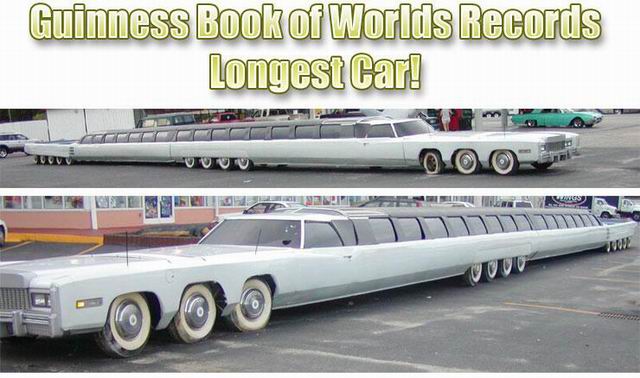
Had enough yet?
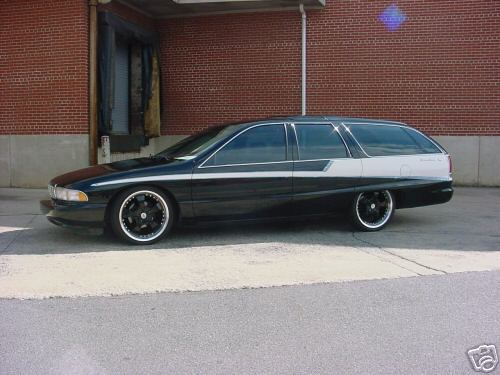
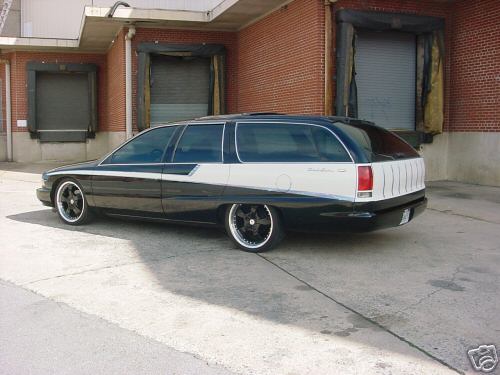
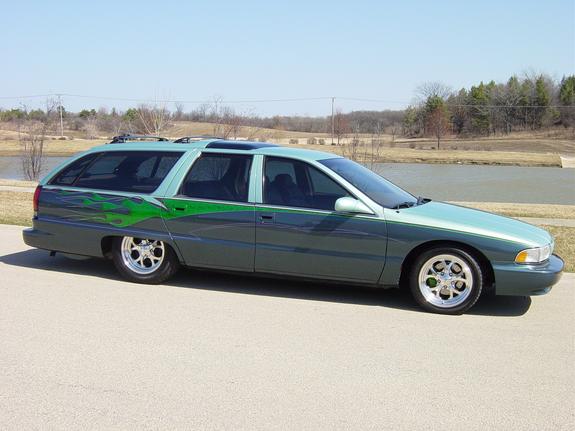
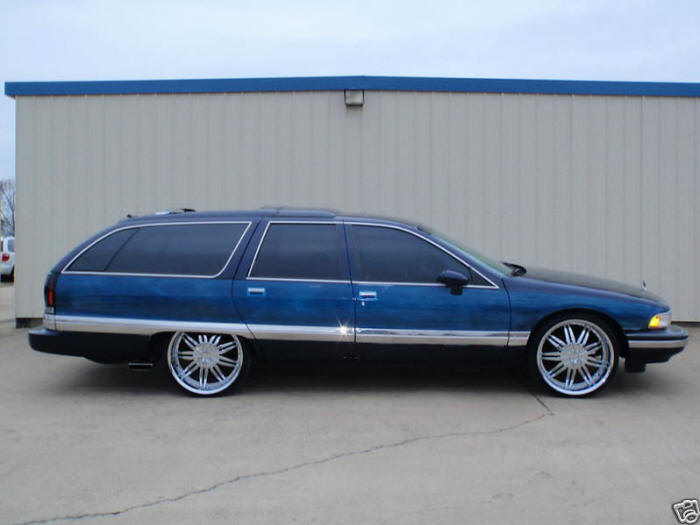
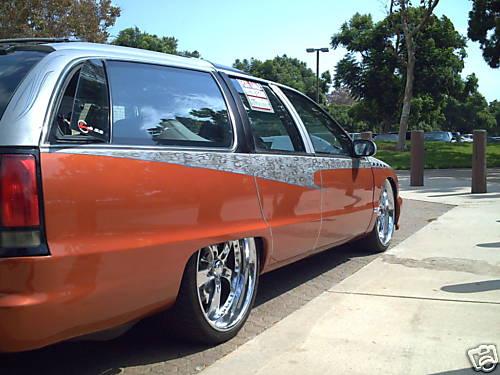
Roadmaster, Caprice & Olds Vista Cruiser wagons
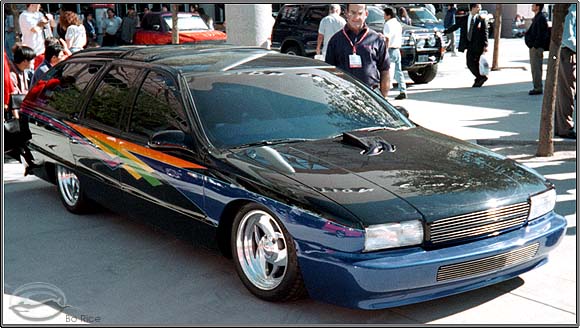
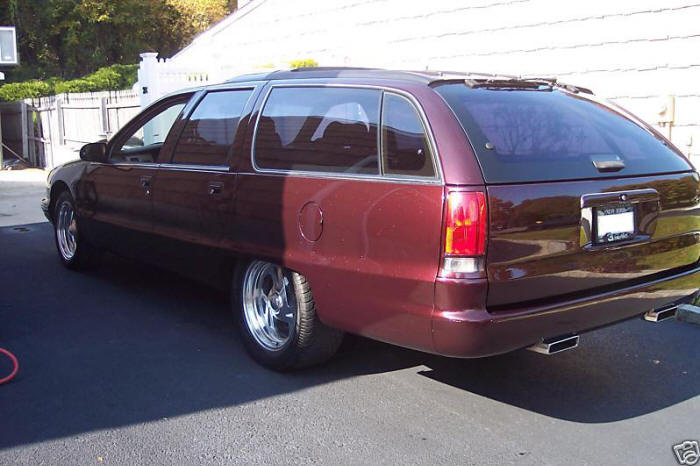
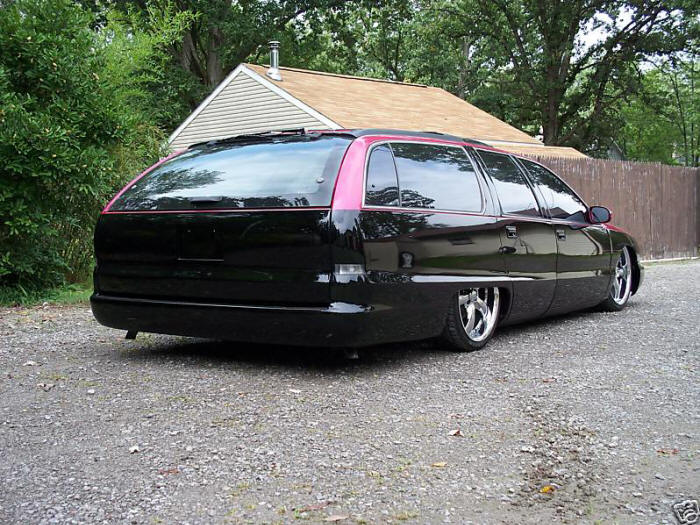
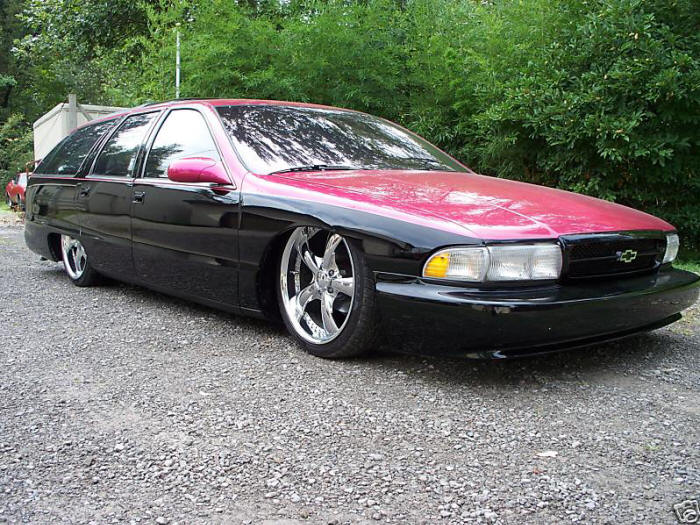
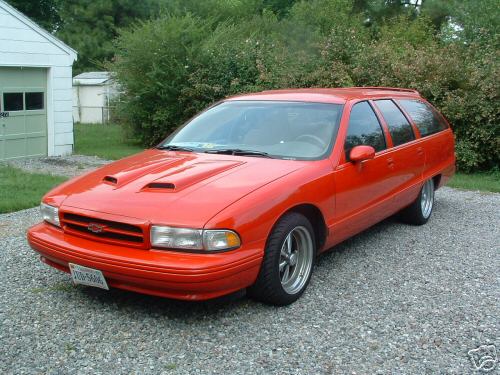
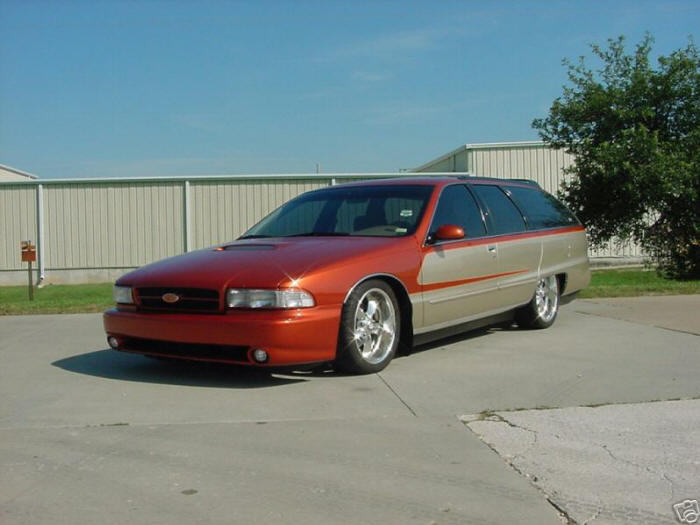
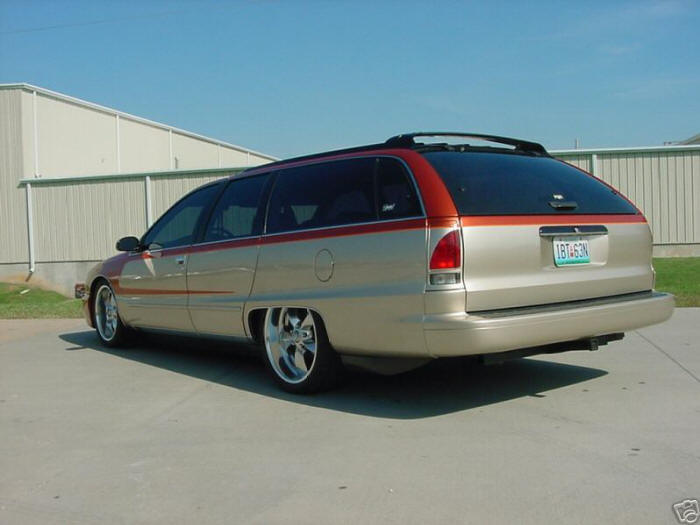
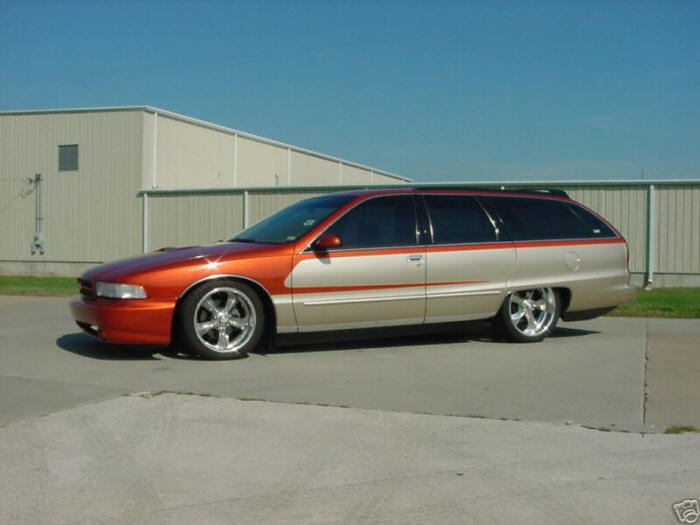
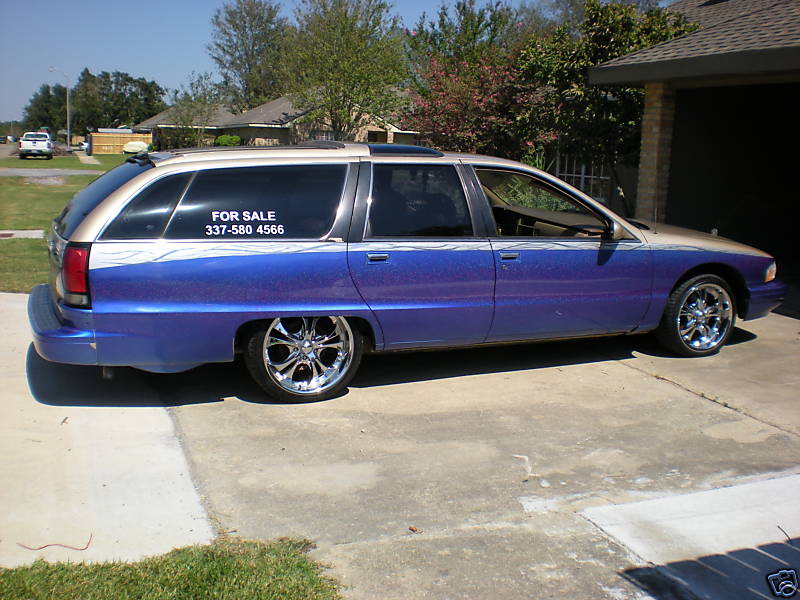
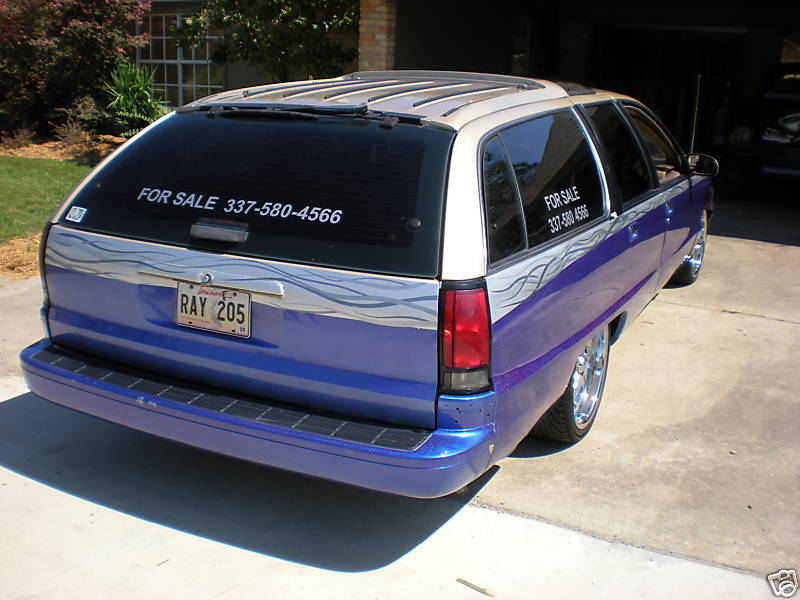
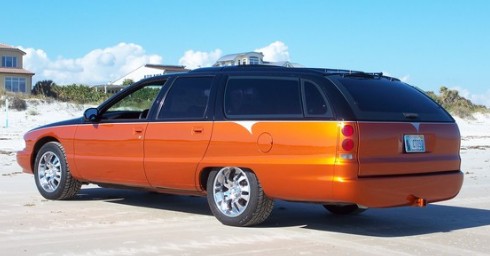
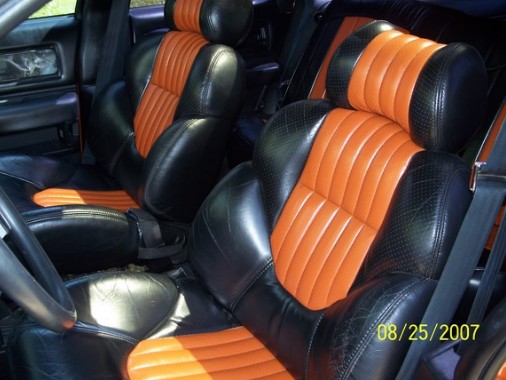
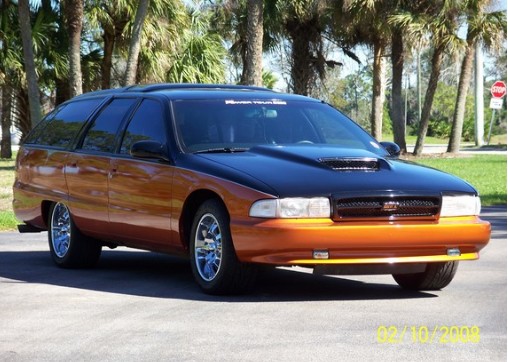
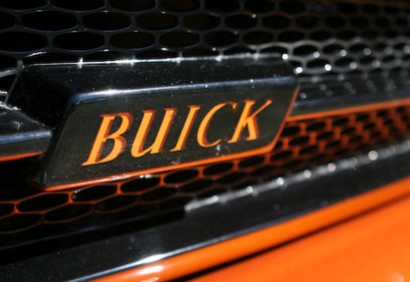
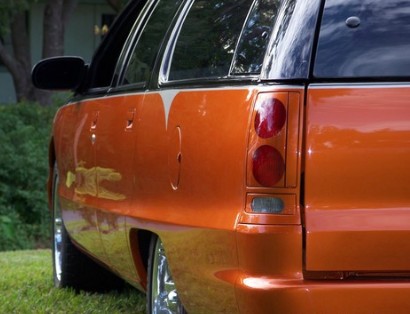
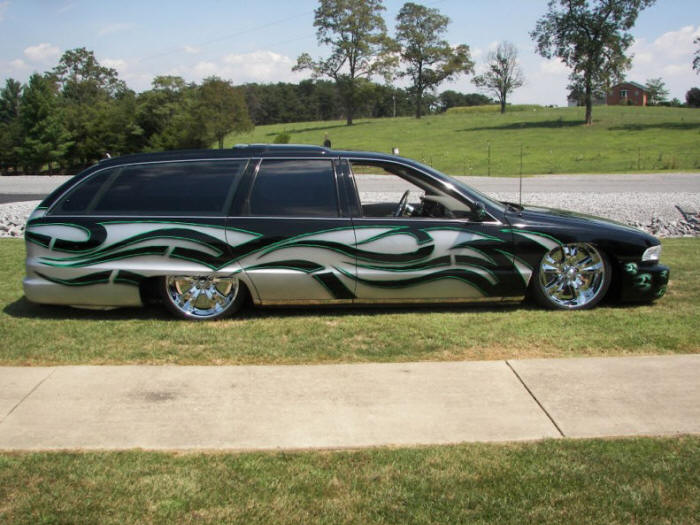
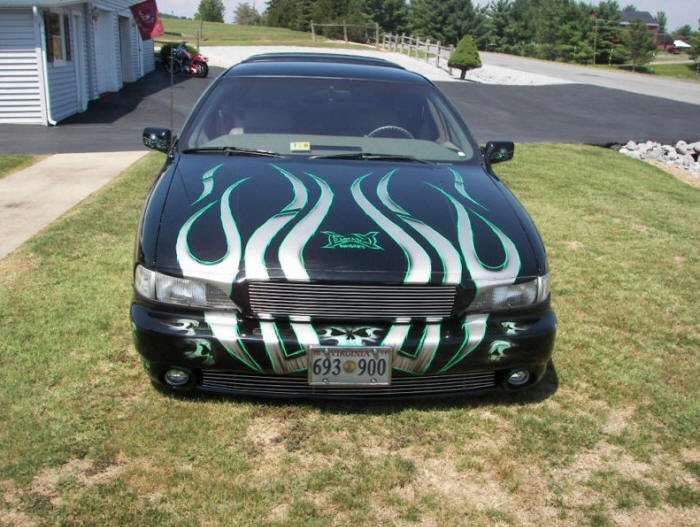
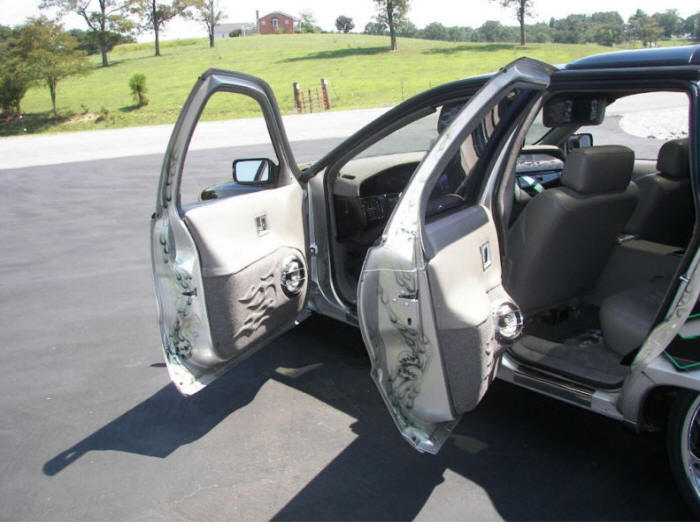
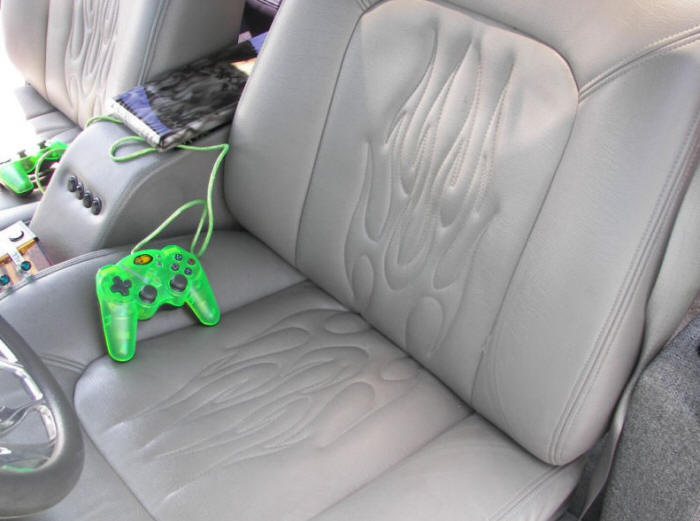
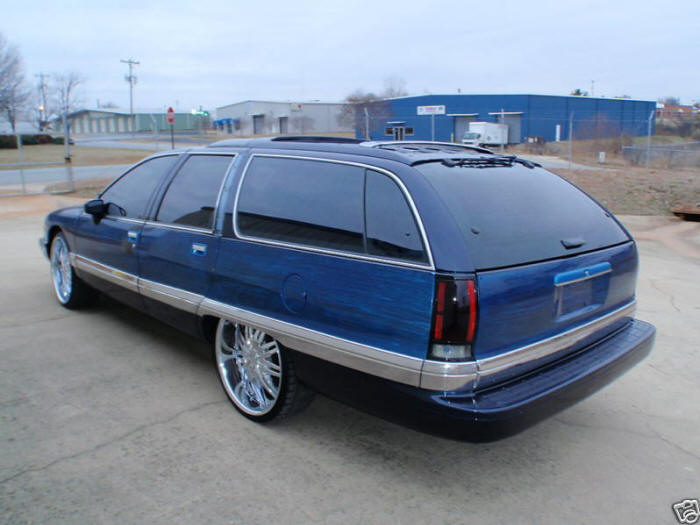
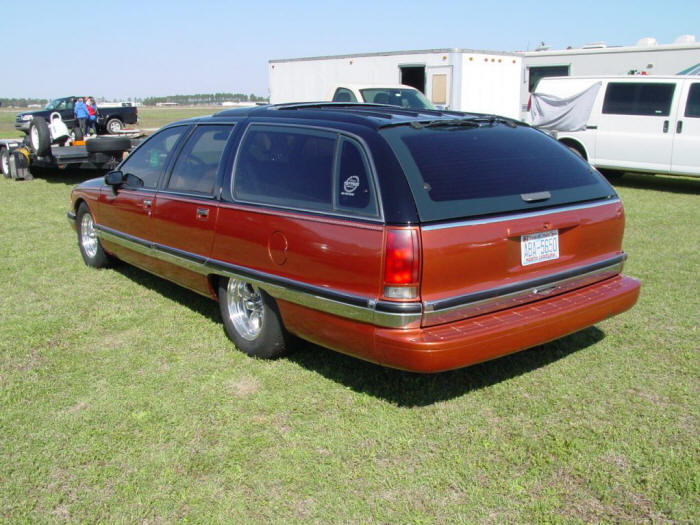
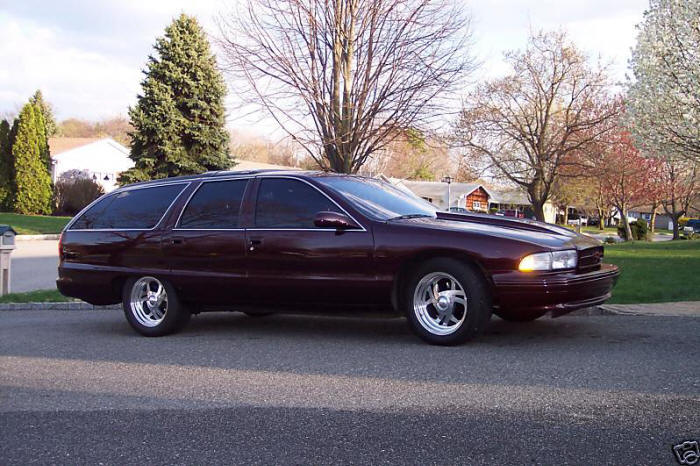
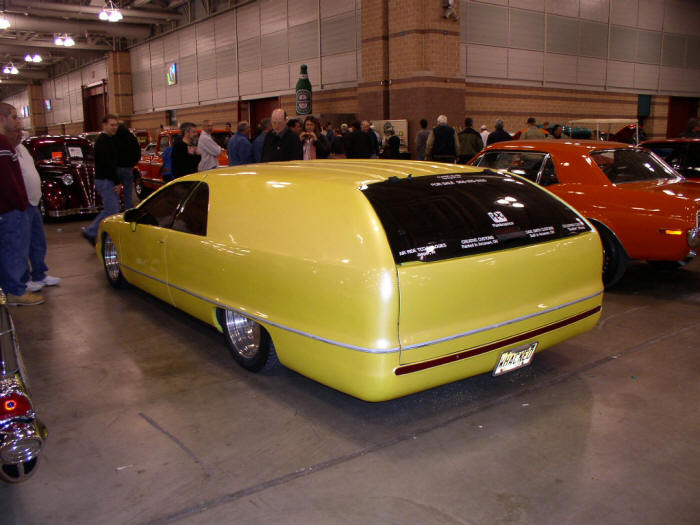
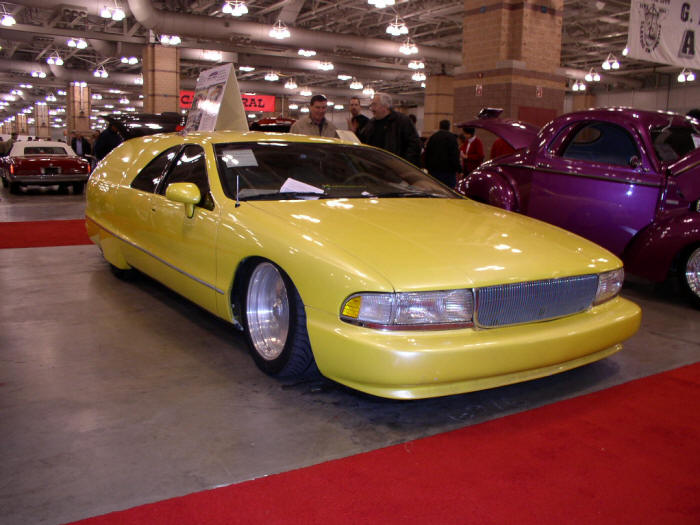
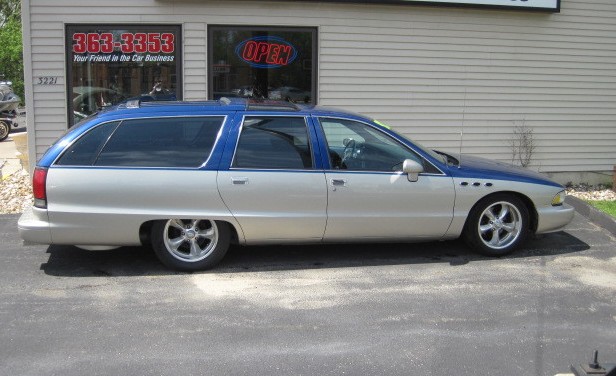
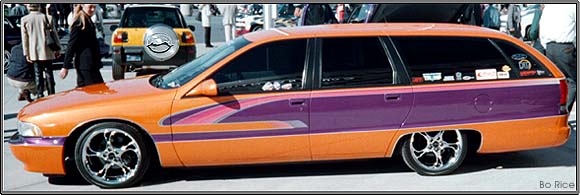
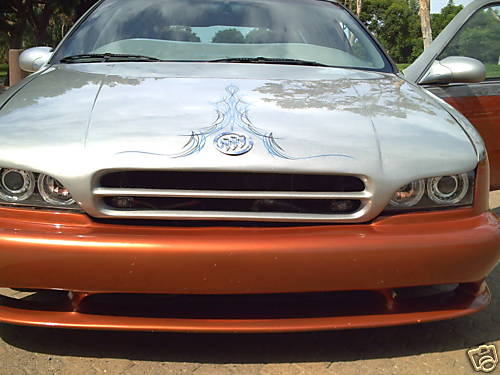
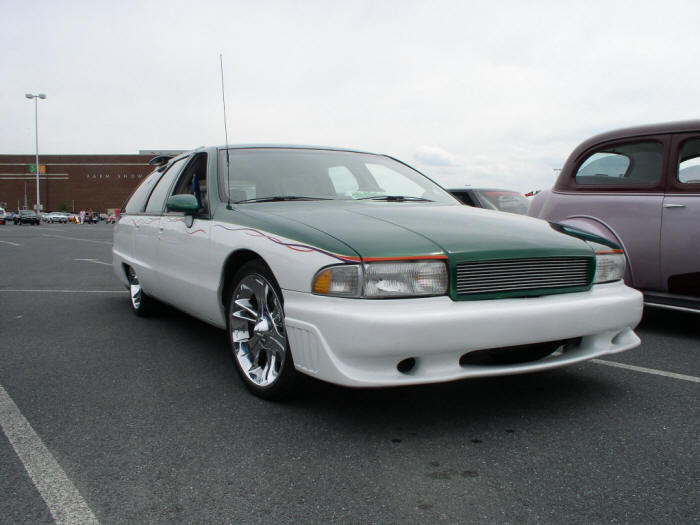
Caprice Nomad!
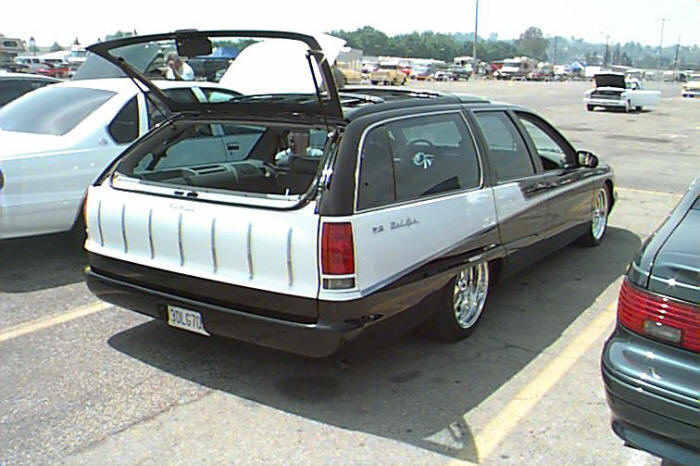
;
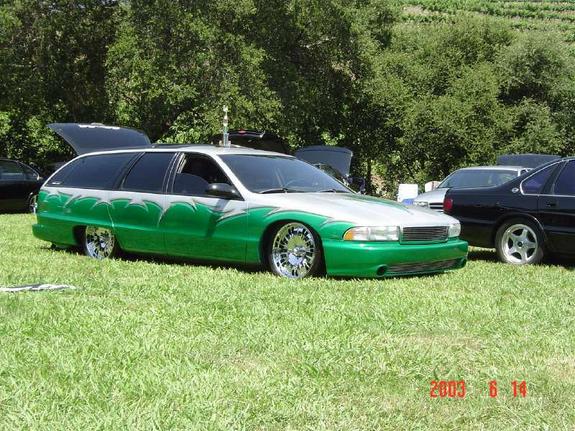
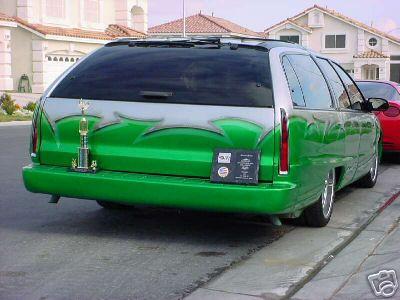
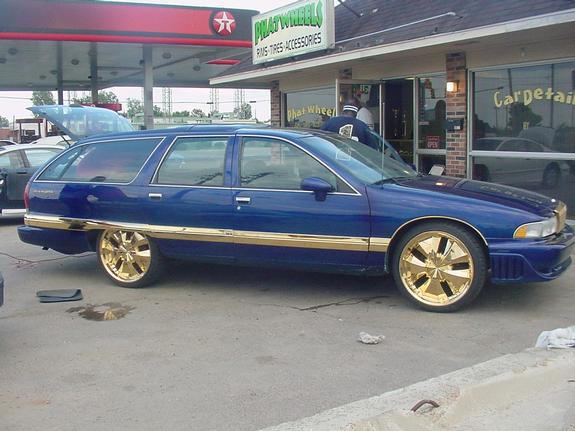
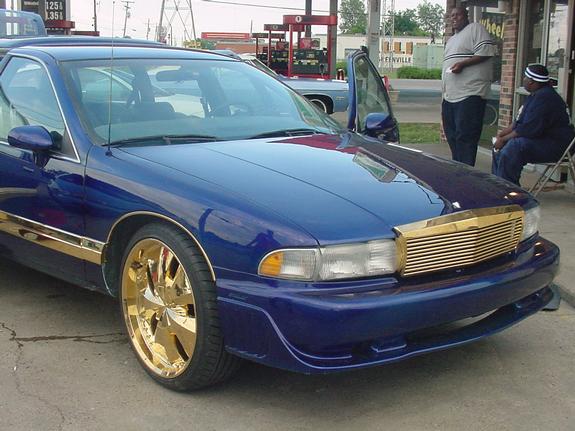
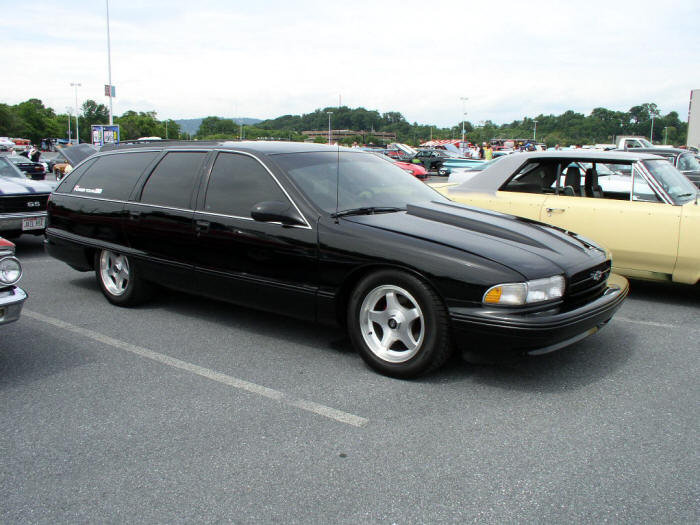
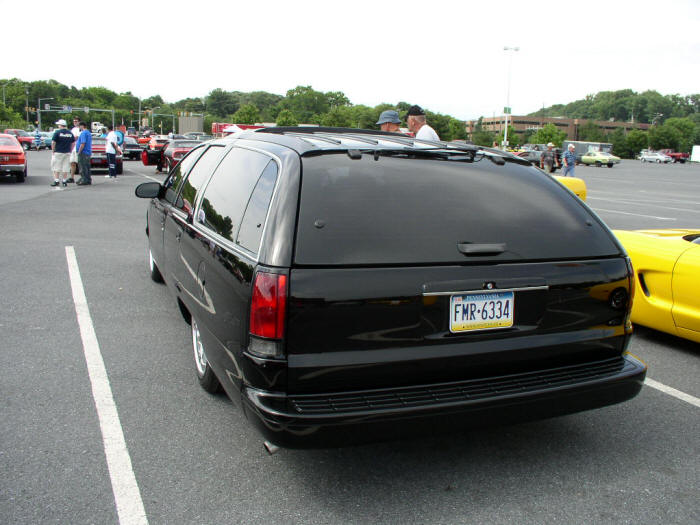
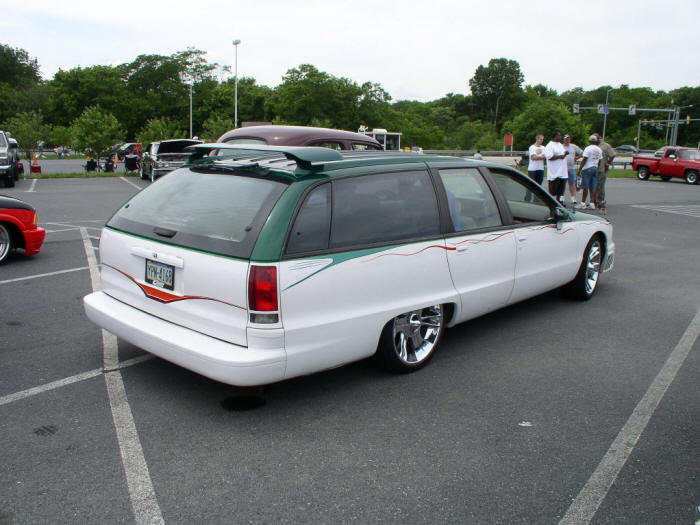
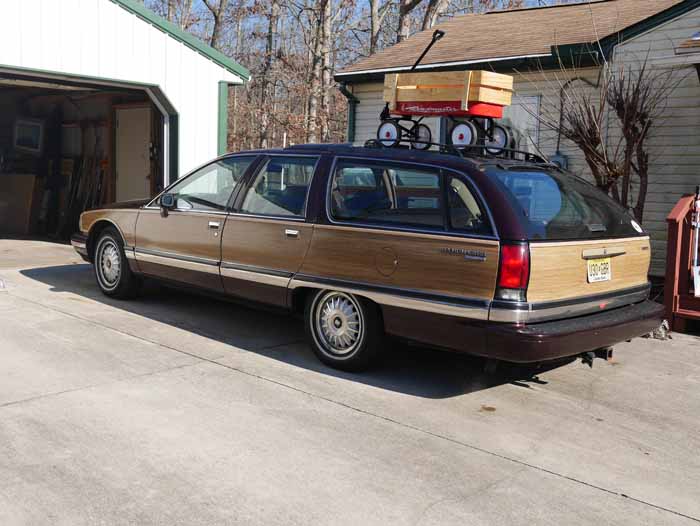
I am keeping my 1994 Roadmaster Woody stock!
|
|
|