|
Our Fourteen
Retirement Cars |

|
|


 
You have perhaps read "Car Crazy." The following stories are about the 14 vehicles that
we have owned since retiring in 2002. It might seem like we are wealthy, but we made a profit on most of them.
The June 2011 edition of Classic Car Magazine suggested buying one of these cars before they are all gone, but when the article was printed, we had already owned four!
Our Four Buick Roadmaster "Woodies"
When we retired from Austria in October, 2002, we sold the vehicle that we owned there and used the money to buy a car in America. After nearly four decades in Austria, we
returned to New Jersey for retirement in October, 2002. Gasoline in Europe costs two to three times as much as at American pumps, so we bought cars that were easy on fuel.
We had eleven Volkswagons, nine of them VW vans.
For our retirement years, we wanted a large station wagon and a small rancher. It took us three months to find the right house, but on our second day in America, we found
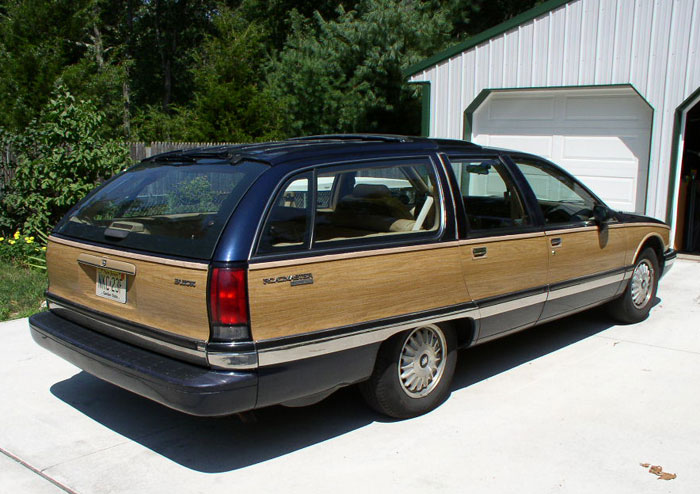
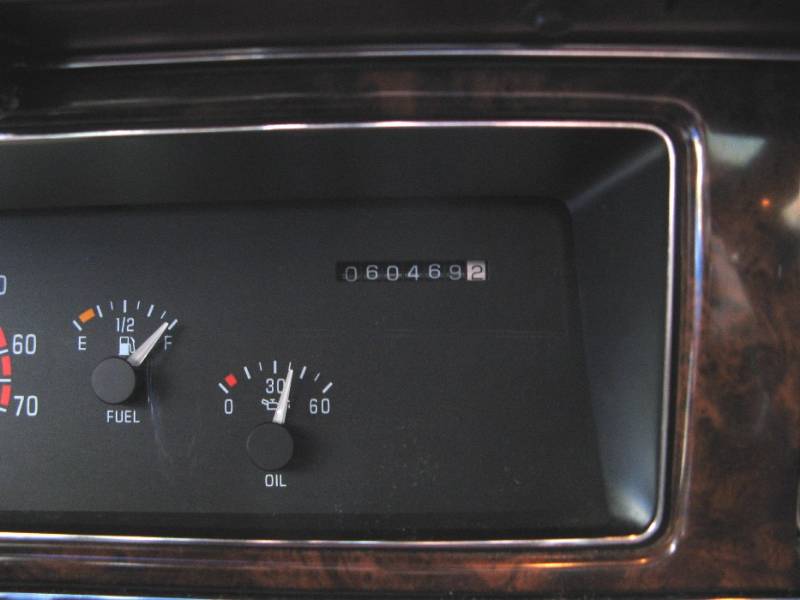
a 1992 Roadmaster Estate Wagon with every conceivable extra and only 61,000 miles on the tachometer. Being a Florida car, it had no rust whatsoever and seemed the right
choice for us. We paid $6,200 and both of us were soon in love with our "Woody."
A few months later, I saw another nice one for sale in a
nearby town for only $1,500. I bought it and parked it in the garage.
Crystal Blue '93
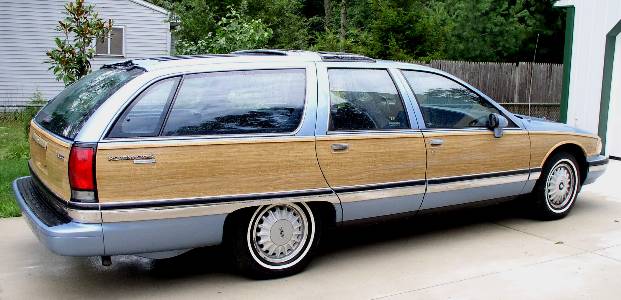
After four years, I decided that it was time to register the other wagon but it didn't happen! I discovered another Roadmaster wagon on eBay located just across the
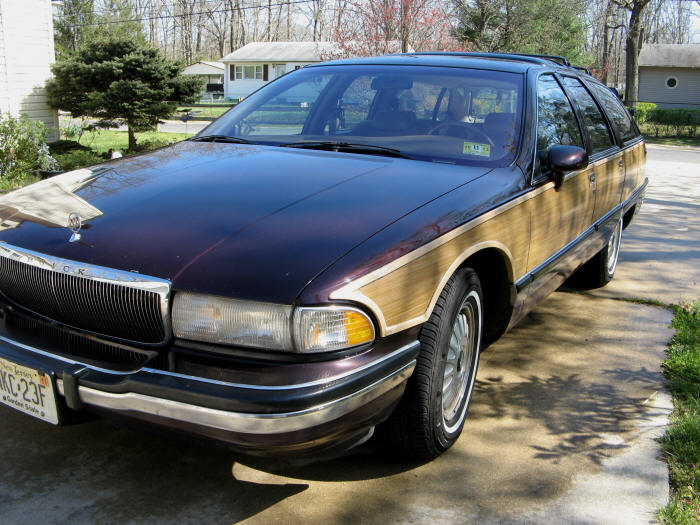
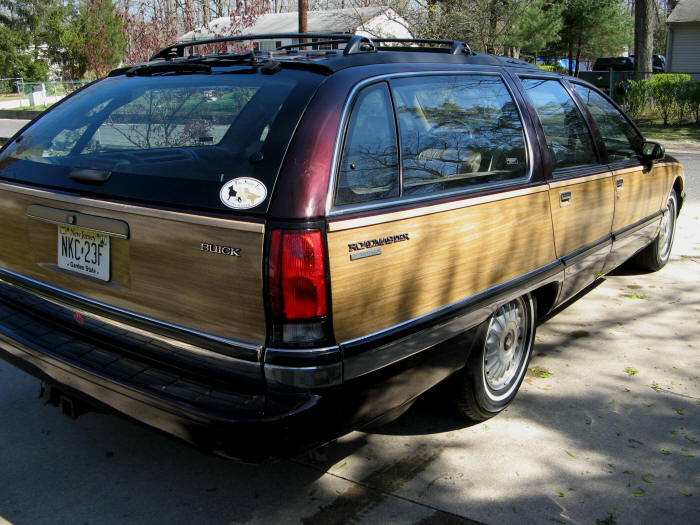
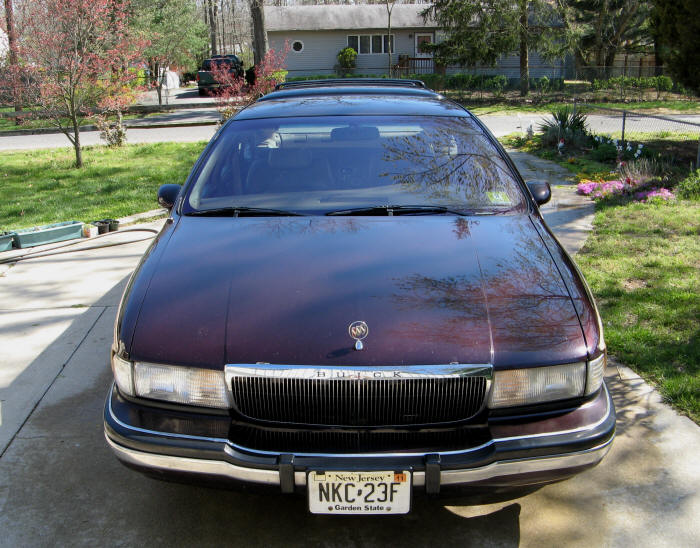
Delaware River in Wilmington. It was our favorite color, metallic burgundy, and had a burgundy leather interior. Best of all, the car had only 49,000 miles on the
tachometer and was in like-new condition! We sold number 1 and 2 wagons for enough money to pay for number 3!
The 1991-1996 GM Estate Wagons were body-on-frame, front-engine, rear wheel
drive design and the largest and most powerful station wagons ever produced
worldwide. they continue to please and delight owners in every way.
For decades, the top of the Buick line was the Roadmaster, although the Buick
Super actually surpassed the Roadmaster in size for a few years. Buick became renowned
for its robust wagons back in the beginnings of the station wagon era. They
offered roomy interiors, dependable mechanics and a comfortable ride. For no explicable
reason, General Motors eliminated the Roadmaster name from its palette in 1960 -- and along
with it, those famous trademark portholes.
In 1991, Buick re-introduced the Roadmaster after a 30-year pause. The completely new
station wagon, known as the Estate Wagon, was bigger and more powerful than ever!
General Motors also produced Chevrolet and Oldsmobile versions, but the Roadmaster
Estate Wagon soon became recognized as the ultimate wagon of choice. The Oldsmobile
version was called "Custom Cruiser" and only built in 1991 and 1992. The popularity of these GM wagons
built between 1991 and 1996 shows that the big station wagon still had a strong following.
In 1996, however, General Motors once again ceased producing Roadmasters, also marking the end
of the big wagon era.
Since 1996, only European and Japanese manufacturers offer station wagons, and they sell
quite well. Millions of mini-vans and SUVs have been produced in America, but
vans are plagued with technical problems and rust issues, while SUVs became
known as gas-guzzling suburban status symbols. By the year 2000, soccer moms were taking their kids
to games in gigantic impractical Hummers.
Import wagons continued to find buyers, but owners of 1991-96 Estate Wagons
were not tempted to trade their vehicles for something inferior. The cars not only
provide owners dependable transportation, but they were and still are one of the most
comfortable-riding and practical vehicles on the road. The economy of these 18-foot-long,
4540 pound behemoths surprises. Unlike earlier gas guzzling wagons and SUVs, the Estate
Wagons are quite economical. Unless you insist on feeling all the power of that 5.7-liter
V8 under the hood, an Estate Wagon gets 20 mpg in town and 25 mpg on trips!
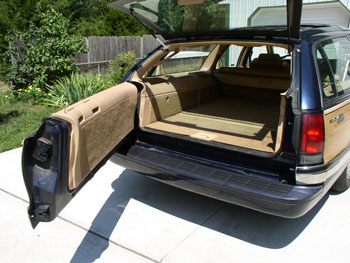
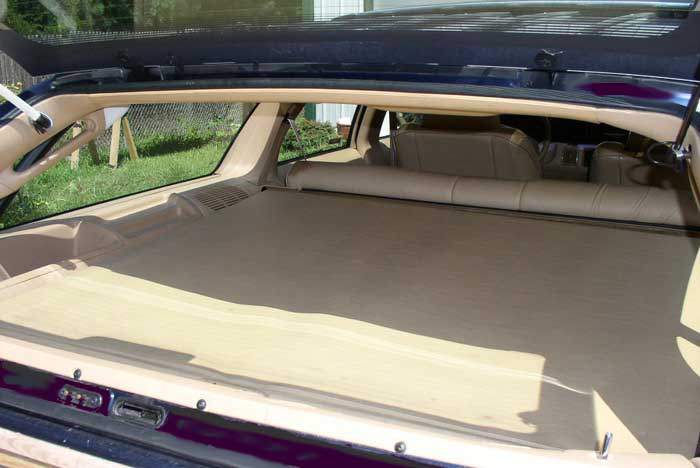
With the rear seats folded down, you can transport a stack of 4x8 sheets of plywood or plaster
board with the hatch closed. Try that with your van or SUV! If the grandchildren or cousins
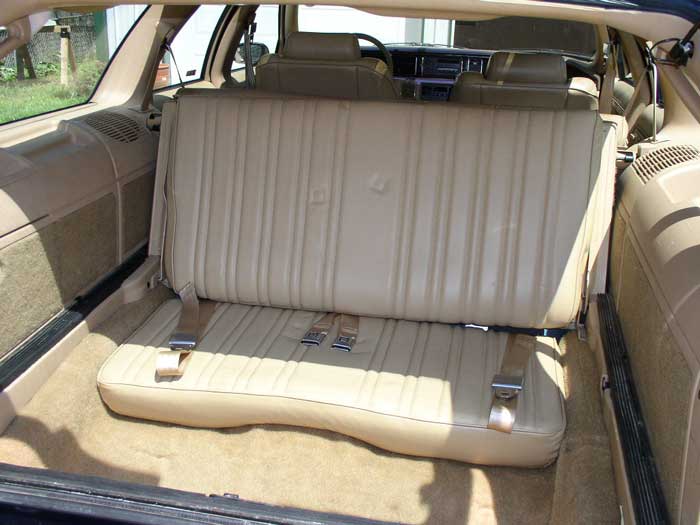
come to visit, your Estate Wagon can be transformed into an eight-passenger vehicle by
opening a third bench seat tucked away in the cargo area. The rear door swings to the
side and also flips down for easy access (very desirable for "tailgating"). Add to this a smoother and quieter ride than
any van, highest comfort, safety and every conceivable luxury, and you will begin to
understand why these vehicles are still in great demand. A low-mileage Estate Wagon in
good condition now fetches $10,000 to $25,000 -- and the last ones were built in 1996! If
you are lucky, you can buy a low-mileage used Roadmaster for a fraction of what you would
pay for a new mini-van or SUV. And you will be much happier with it!
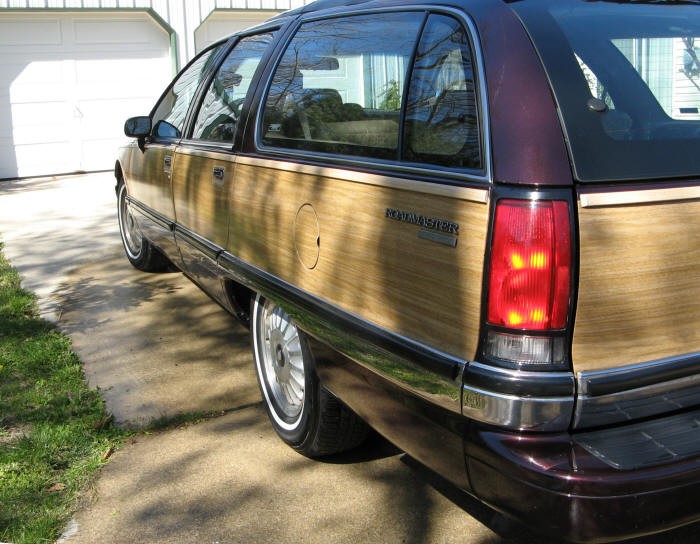
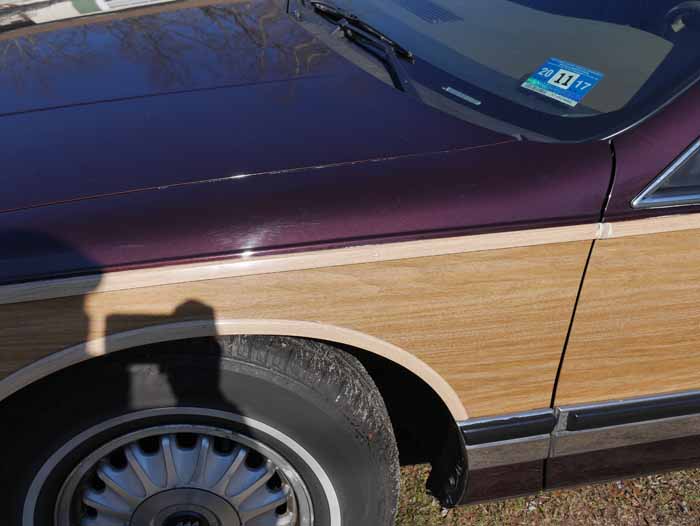
The Roadmaster wagon theme is emphasized by vinyl wood decor on the sides and rear door.
Some Caprice wagons were produced without the "woody" styling, but if you didn't want it on a
Roadmaster, you had to order it special. The fake wood borders are prone to peeling,
especially when owners take the wagon through a car wash. These strips are difficult to
refinish. Some owners have taken the trouble to remove the wood-grain decor, fill holes
and repaint. Stainless trim is highlighted by a black rub strip that is the Estate Wagon's
only other problem area. Roadmaster forums are full of suggestions on how to keep these
strips from loosening and falling off.
A built-in, adjustable roof rack and cast alloy wheels were standard on all Estate Wagons.
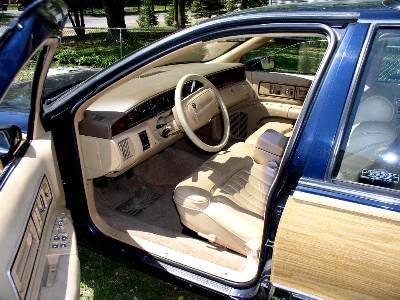
A loaded wagon includes the special climate control with outdoor temperature monitor, an
AM/FM/CD radio, outside mirrors which can be de-iced and adjusted remotely by the driver,
a compass in the rear view mirror, multiple power adjustments and heat for the seats,
shades for the moon roof (that unfortunately doesn't open) and a baggage area cover.
The standard wagon has power windows and locks, adjustable steering wheel and anti-lock
brakes. When the turning signal is activated at night, headlights shine around corners.
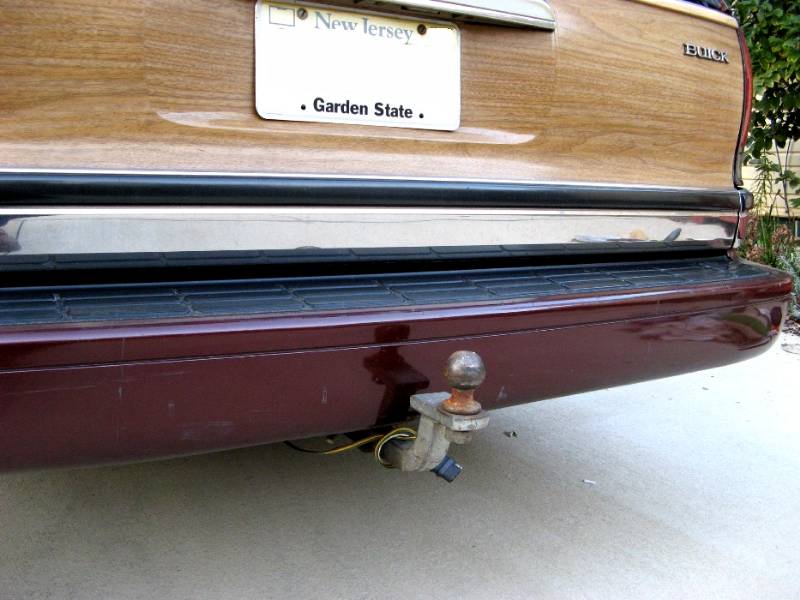
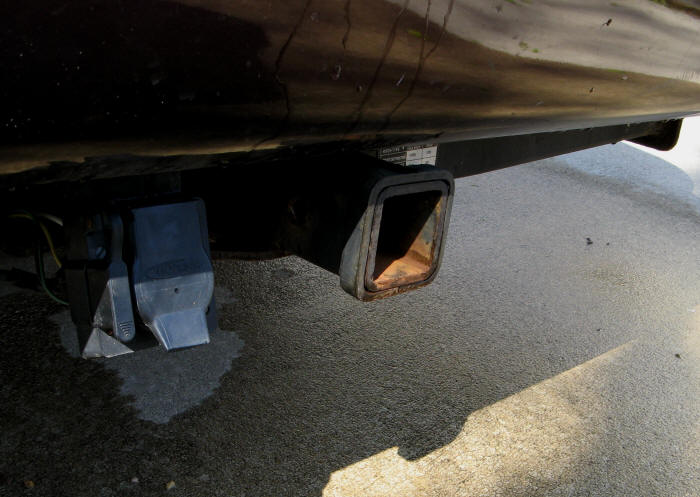
An optional heavy-duty towing package offers additional cooling and an automatic load leveling
system. You can safely tow up to 5000 pounds plus a fully loaded wagon.
We got the surprise of our life, however, when we purchased our third used Estate
Wagon. The beautiful burgundy car (pictured below) with luxurious leather interior
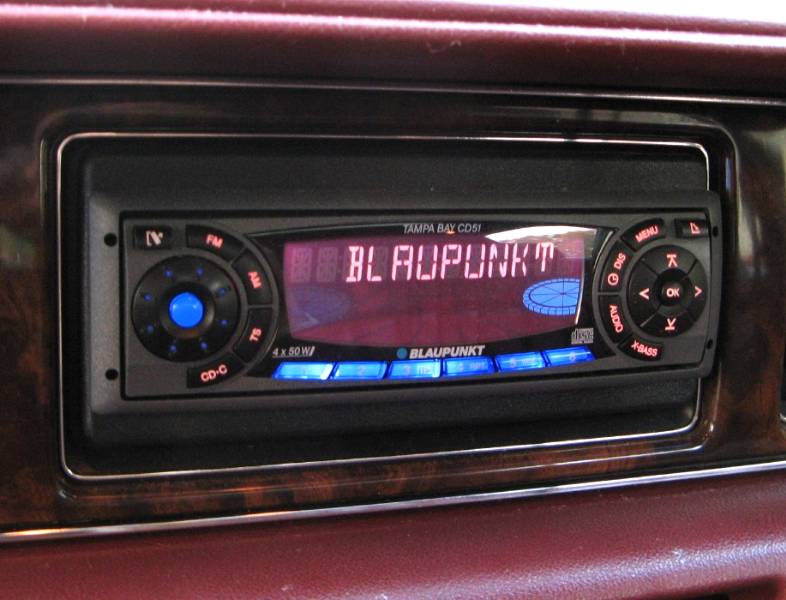
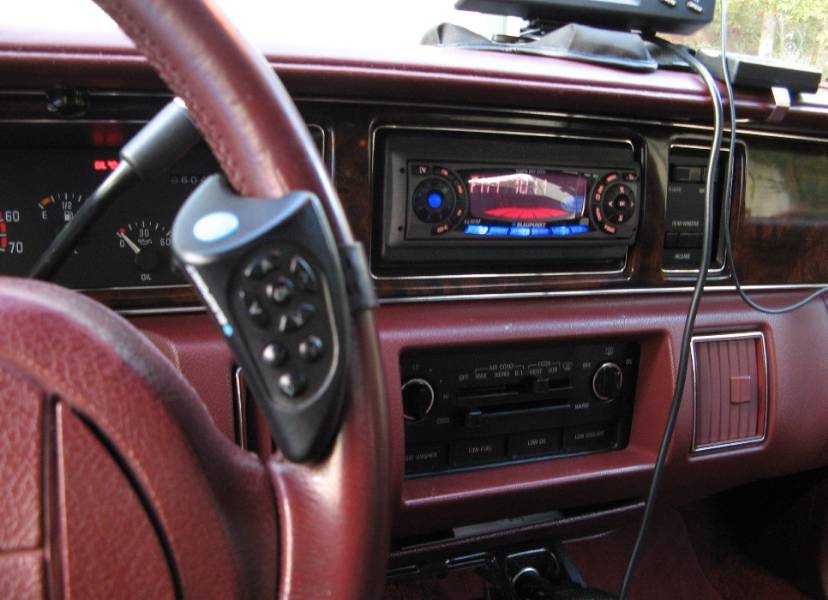
and all the bells and whistles, including a CD-radio with remote on the steering wheel,
didn't have cruise control! That was considered an extra in '92!
The 1991-1996 Roadmasters are powered by reliable GM V-8s. The 5.0 liter
(305 cubic inch) was the only engine for '91-'92 models, but '94-'96 Roadmasters
were powered by the 5.7 liter injected LT-1 engine that, with a few enhancements,
was also installed in the Corvette. The four-speed Hydramatic transmission shifts smoothly and
is just as robust and trouble-free as the engine. A Roadmaster will provide excellent transportation
long after 300,000 miles of
normal usage.
The base price was $23,850 and fully equipped, it cost $28,347. Considering what
you got for your money, this was a bargain. Many automobile enthusiasts believe that the
'91-'96 Roadmaster Estate Wagons were the greatest cars ever produced by Buick and I agree.

|
OUR "ROADMASTER WOODIES" |

|
Midnight Blue '92
In June, 2005, I saw a 1993 Roadmaster on e-Bay that no one was bidding on.
Because it was located only a few miles from our home, I went to look at it. It
was a very nice car and I decided to bid $1500, not expecting
to get it -- but I did! I parked it in the garage in event our other wagon died
or was in an accident (pity the other car!). For more than a year we had both Roadmasters,
one in storage while the other piled up mile after mile without a complaint.
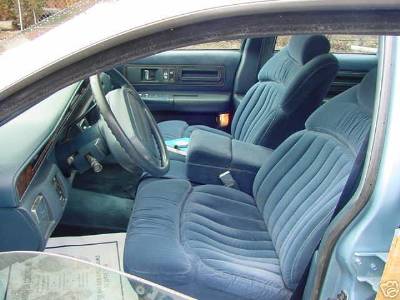
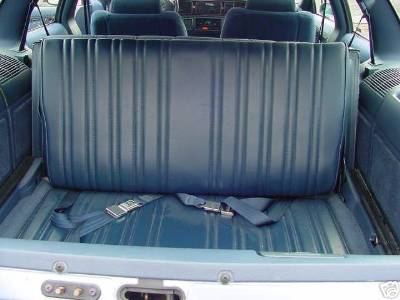
A year passed by and our first Roadmaster was
still purring like a kitten. A minor oil drip developed and I had to keep newspaper under the
transmission to catch the oil, but other than that, we had no complaints. When my wife backed
into a telephone pole and dented the left rear quarter panel, I decided that the time was right
to swap cars. It turned out differently than planned, however.
I saw a burgundy red 1992 Buick wagon on eBay with only 49,000 miles on it. We
decided to sell the other two Roadmasters and buy that one. For one week, we had three Roadmasters
in our driveway, but the blue ones were soon sold on eBay.
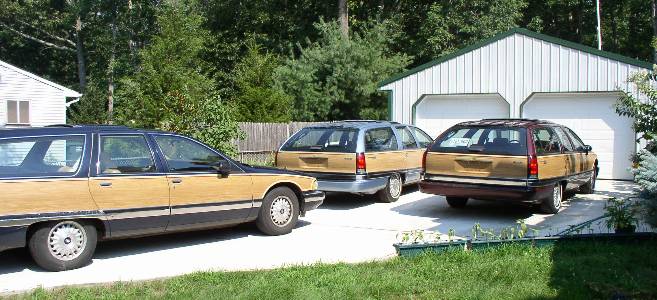
'92 Burgundy Red Wagon
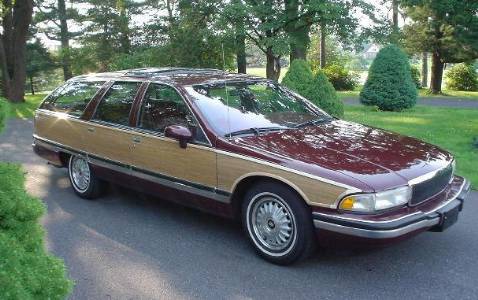
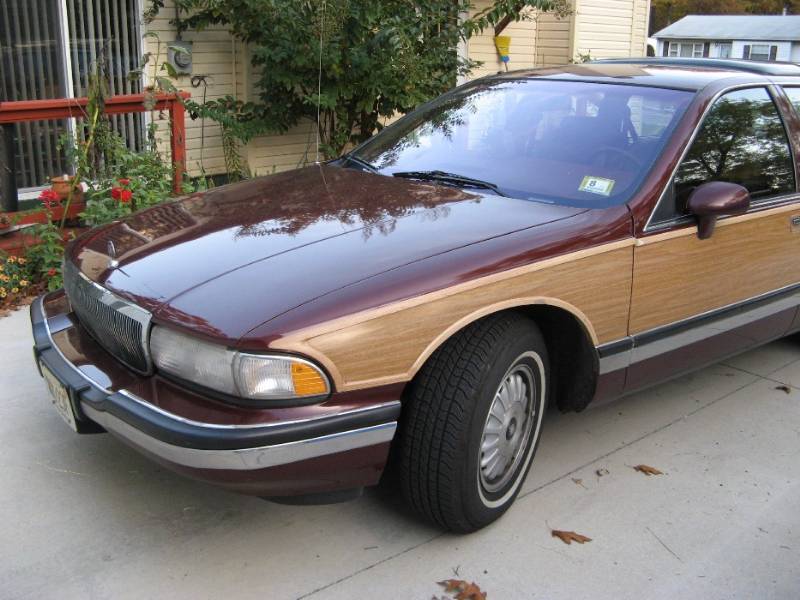
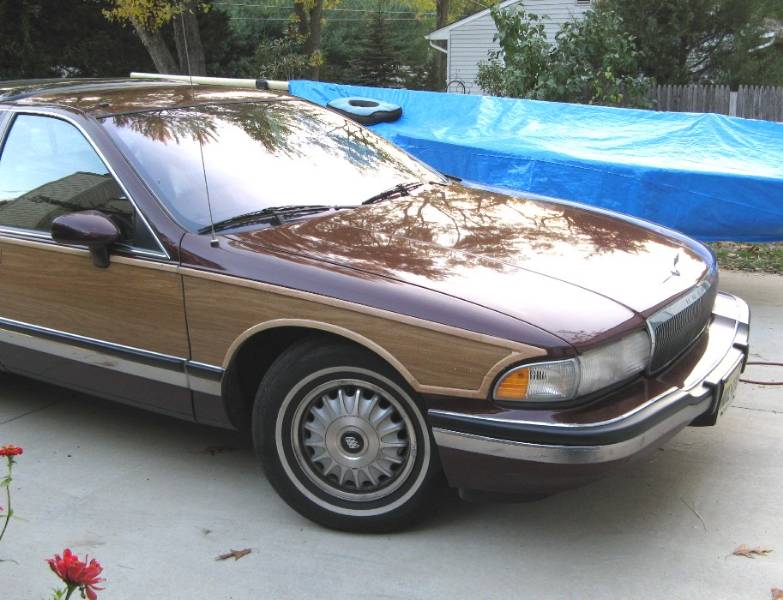
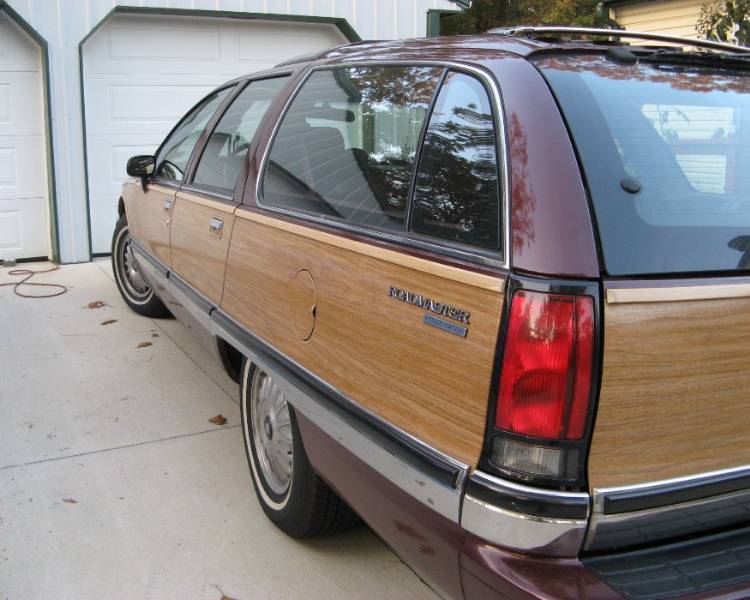
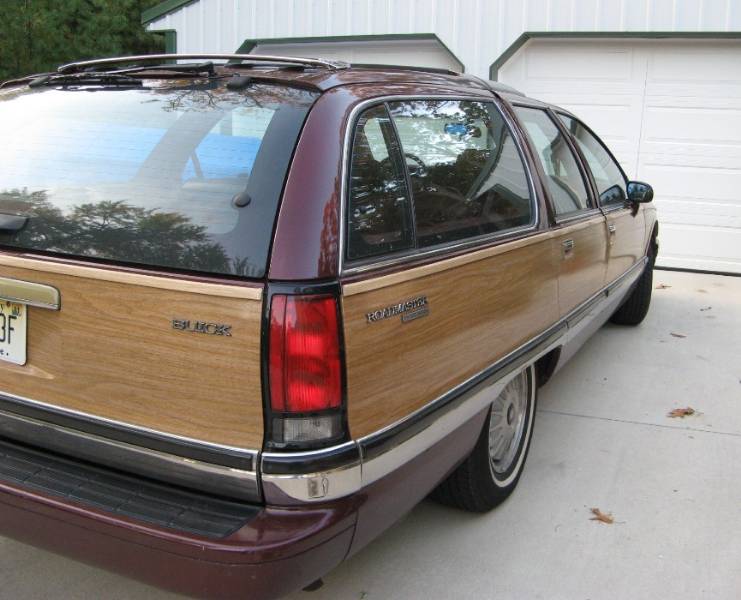
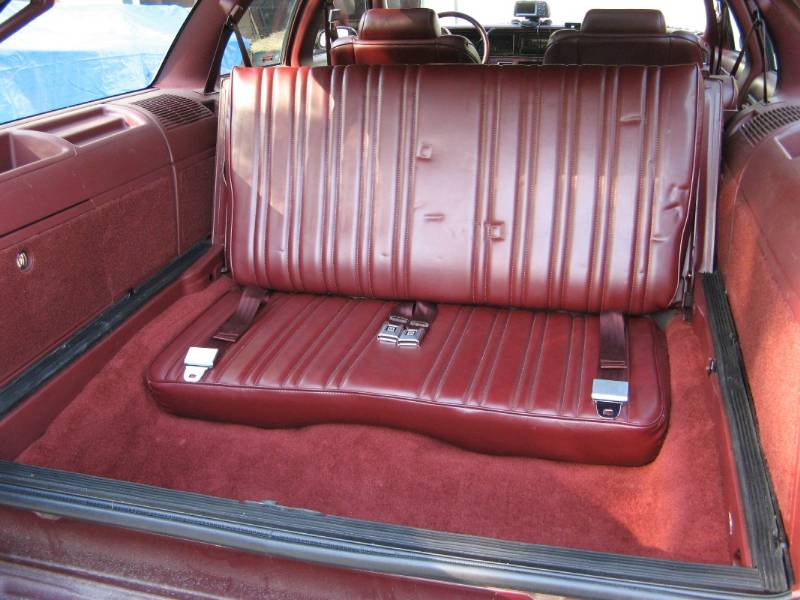
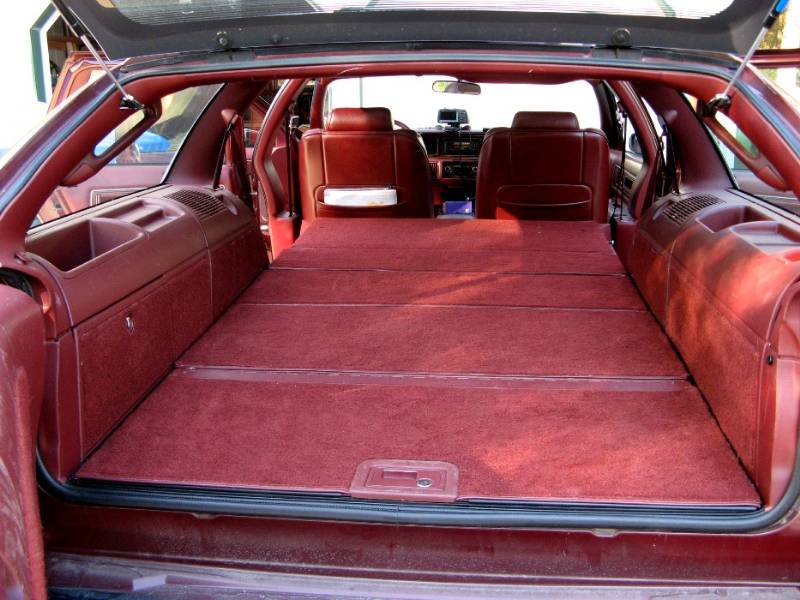
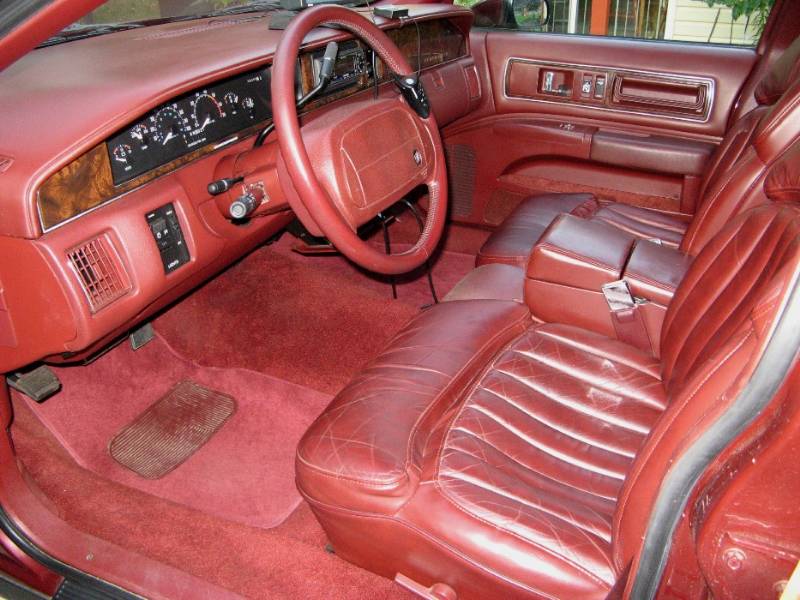
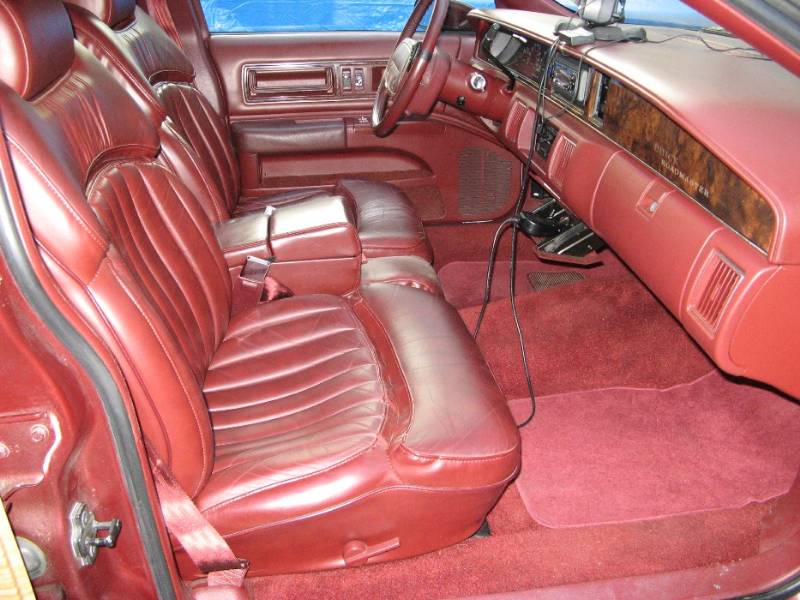
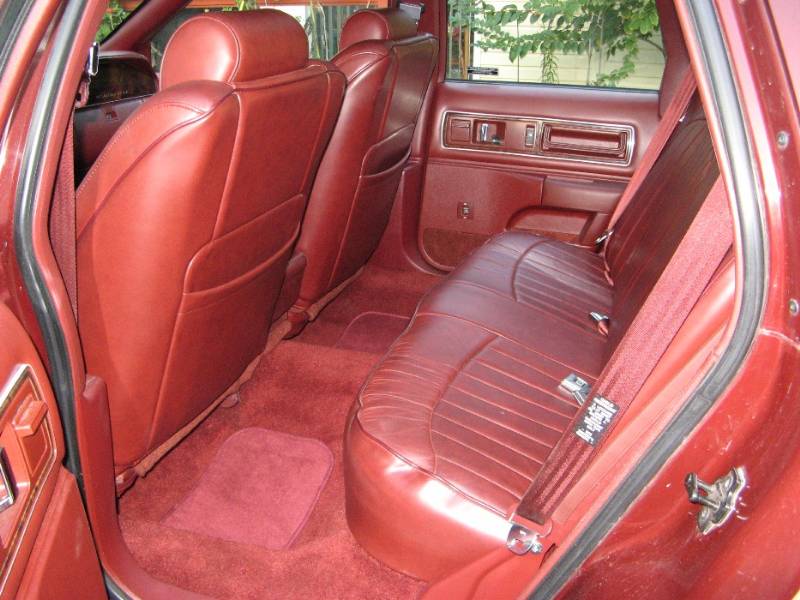
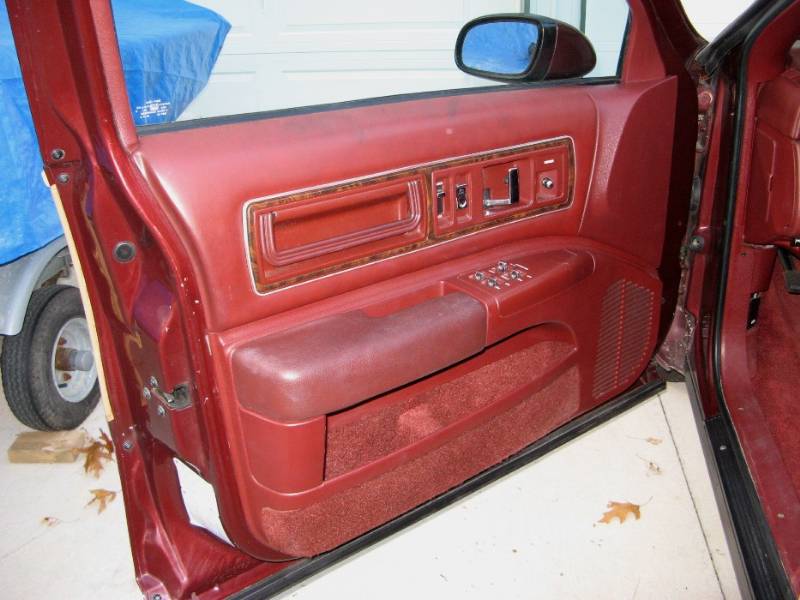
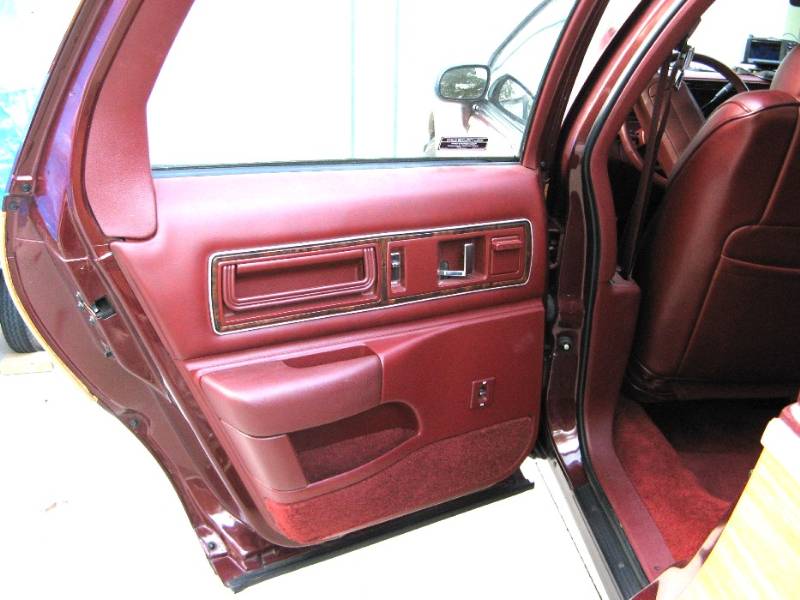
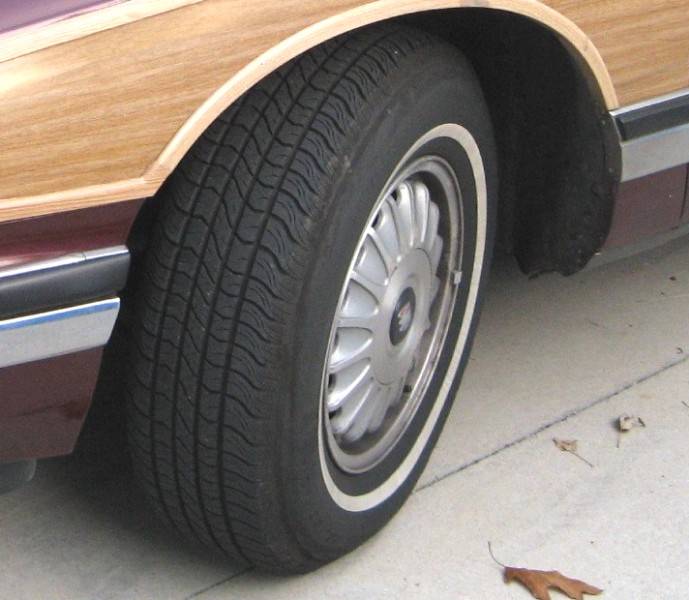
For 16 months we enjoyed our burgundy red Roadmaster with every
intention of driving it until it died.
During that period we never saw another car that we liked better. But the car had no cruise control and my
wife missed this feature. Why General Motors made such a luxurious car without cruise is difficult to understand!
In late October, 2007, I was searching eBay-Motors for small sailboats located within a close proximity of our home.
You may think it strange that I should look under "eBay-Motors" for something that has no motor, but
that is where eBay insists on placing them. I have complained to eBay about this, but my protests fall on deaf
ears. It seems to be the aim of eBay to confuse buyers and frustrate sellers.
I have my eBay portal set to sort items according to the time remaining on auctions. My search showed a
1994 Roadmaster
Estate Wagon near the top of the list, and out of curiosity, I clicked on it. The car was very similar to ours and
although the starting bid was low, no one was bidding on it. I checked the details. The burgundy color was
a darker "Black Cherry" and the interior was beige. It had 80,000 miles
on it and everything else looked good.
My wife entered the room and I showed her the car. She asked, "Does it have cruise?"
It did.
It also had the more powerful LT1 injected engine and a heavy duty towing package with extra cooling
and automatic load leveling.
She said, "Bid on it!"
A few minutes later we were the proud owners of two pristine burgundy Roadmaster wagons!
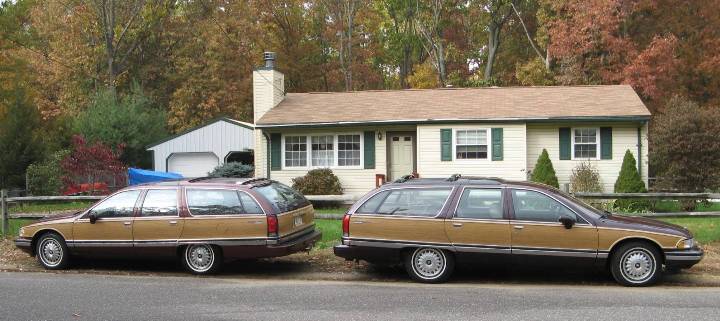
#3 was Sold to a man who already had three other Roadmaster wagons!
Roadmaster Estate Wagon #4
Since October, 2007, we have been enjoying Roadmaster #4, but I want to keep this gem for a long time, so we bought a
Honda Accord in
2010 for most of our travels.
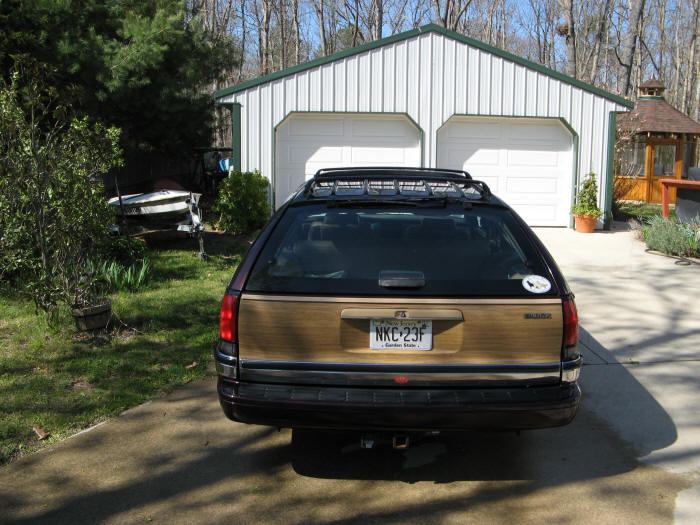
We now only drive the Roadmaster on nice days, in an occasional parade, or when I need extra space for passengers
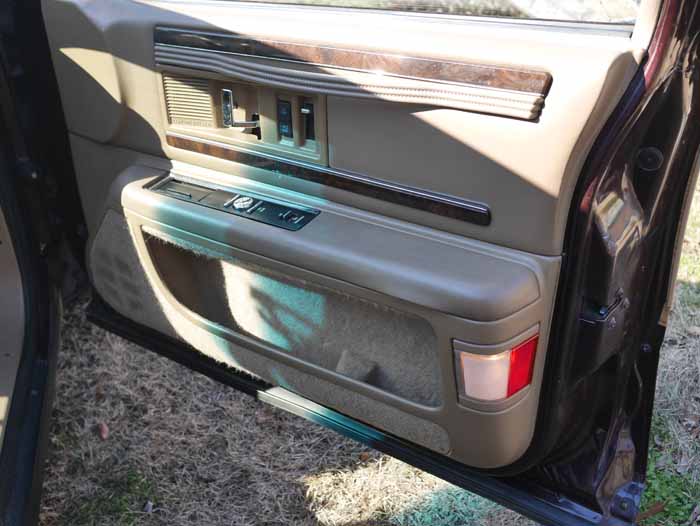
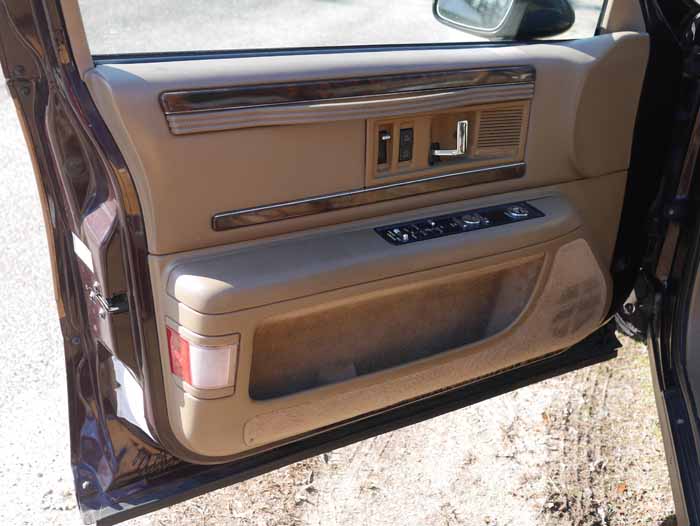
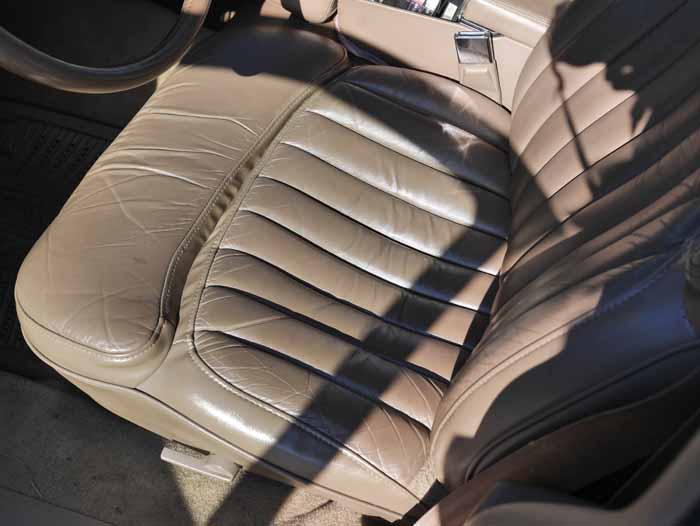
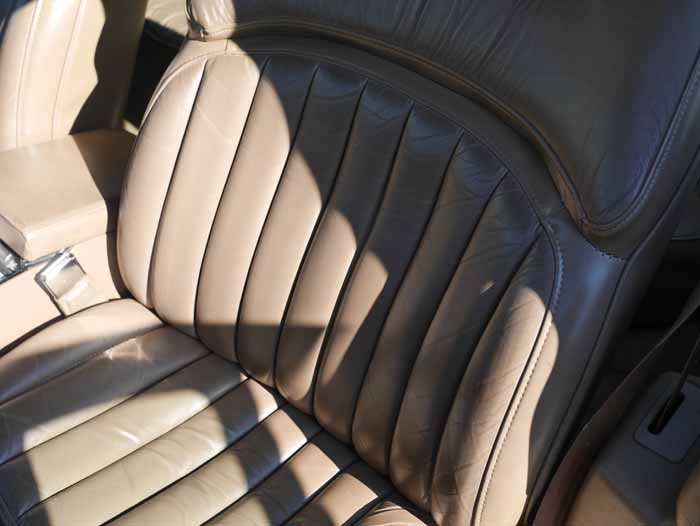
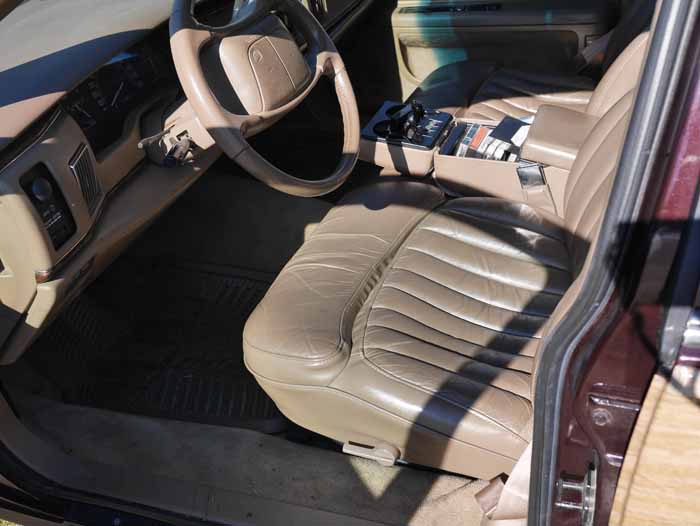
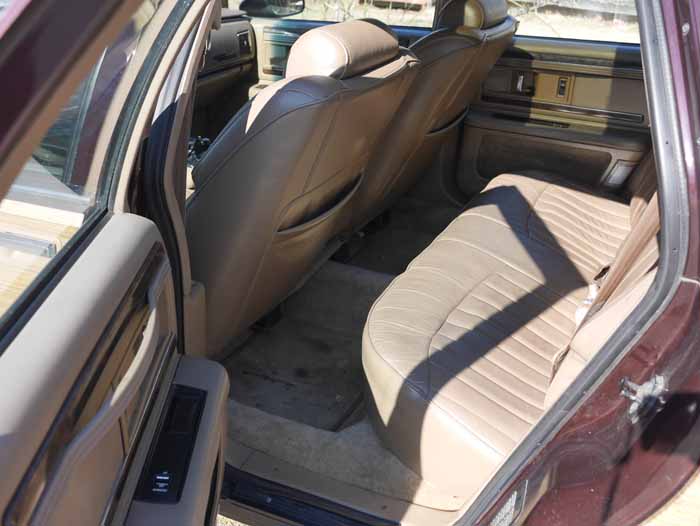
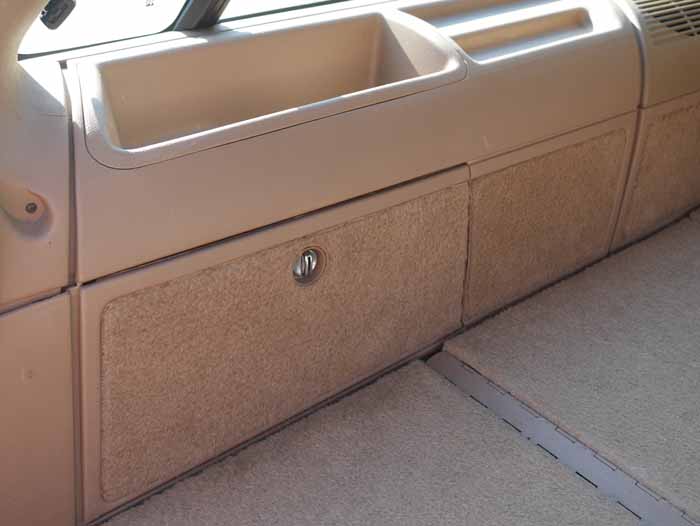
or large objects. The wagon is in great condition with no rust and drives fantastic! The tan leather
interior looks nearly new with no worn places, rips or tears.
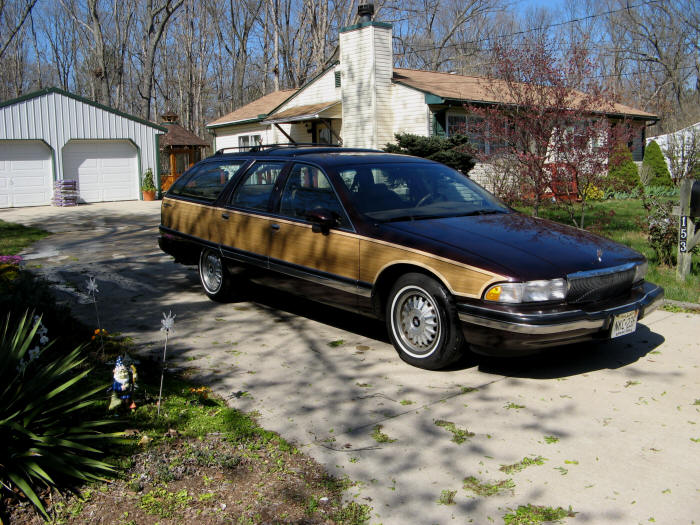
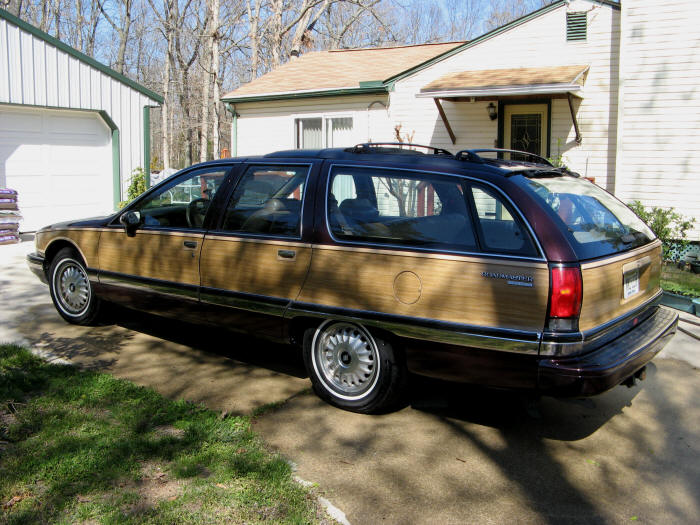
The leather interior and headliner are perfect!
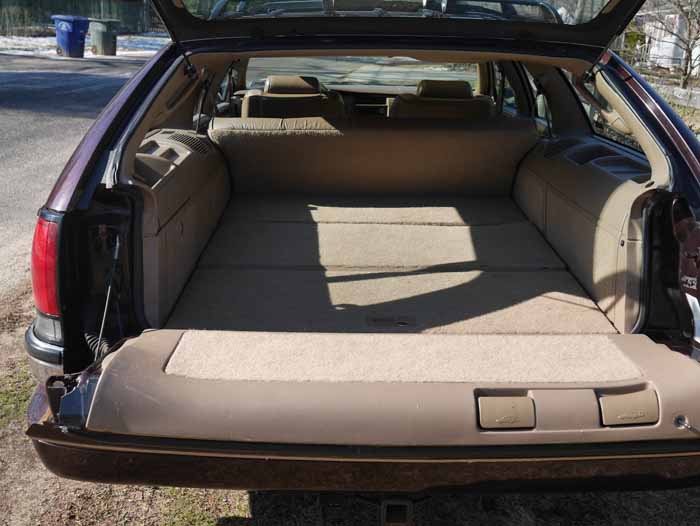
Our Woody drives and shifts like new and everything works. In 2014, I spent $2,700 for new rotors, brakes, tires, shocks, alignment and replacing fuel and
coolant lines that were beginning to show rust. A fitting broke during that last task, so the wagon also got a new radiator. The complete dual
exhaust system is stainless steel and should last the life of the car.
In December, 2014, my wife was driving our Grand Marquis when another woman ran
a red light and totaled both cars! I was happy that no one was seriously injured
and that she was not driving our Roadmaster! A few weeks later we nearly went into shock when the insurance company raised our liability
insurance $800 for our two cars! When we asked why, they said it was because of the accident. I argued that my wife was not at fault. Furthermore, she had driven accident free and without even a traffic
ticket for over 55 years! But the insurance company remained astute and said that this was standard procedure with all insurance companies. "She was involved in an incident."
I immediately unregistered the wagon and parked it in the garage, but to my surprise there
was almost no reduction in our insurance "because we no longer qualified for a multiple vehicle discount!" After a one-year pause, I finally bit the bullet and registered the Roadmaster again
in December, 2015. I have used less than a tank of fuel each year, so liability insurance is the biggest expense,
but as of 2019, our car is over 25 years old
and qualifies for collector car tags!
I'll bet you didn't know you can still buy brand-new Roadmaster Wagons! I bought one for only $50 at Sears.
I had to put it together myself, but I got it done in about one hour! My wife looked at the box and read "For
ages three years and up!"
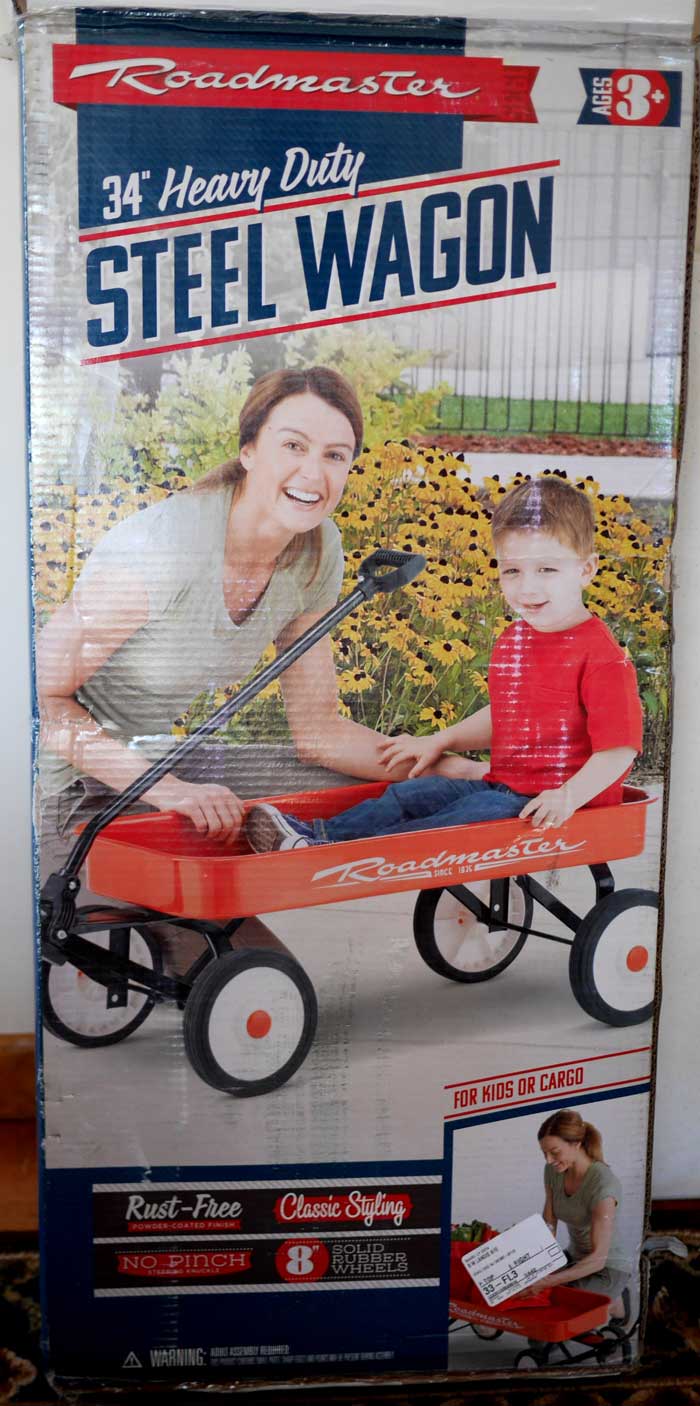
It wasn't a woody, but I took care of that little detail.
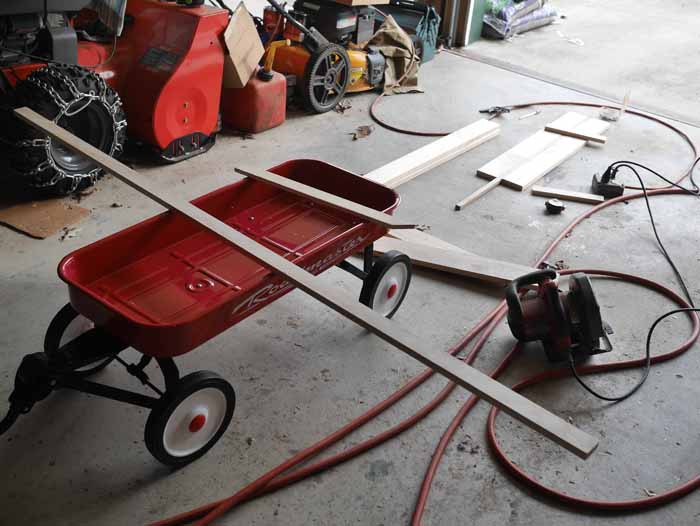
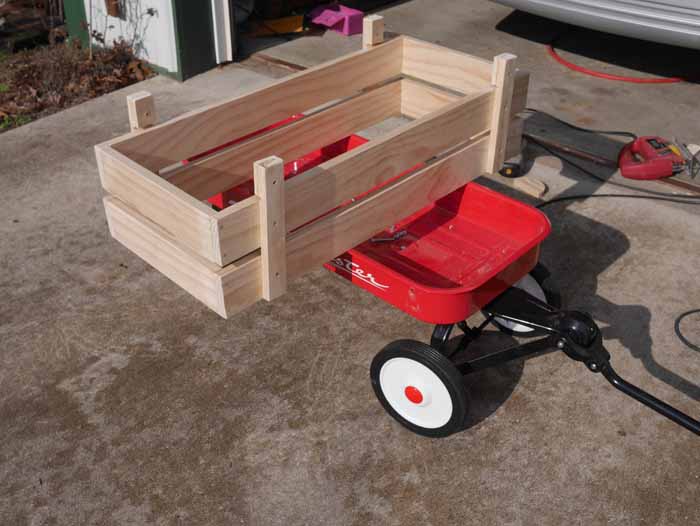
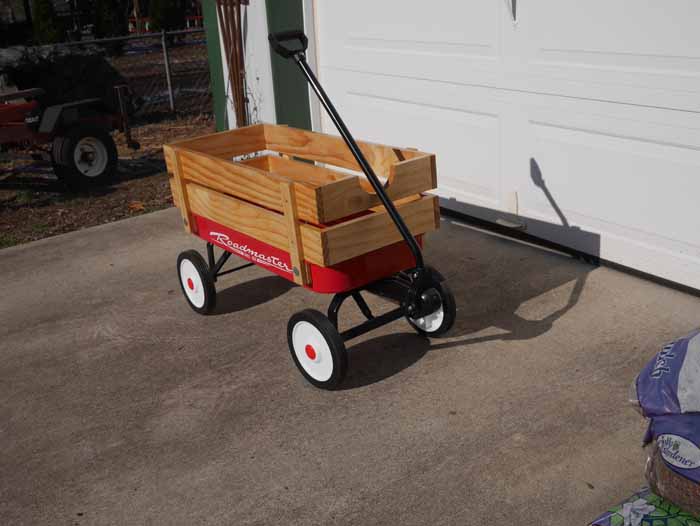
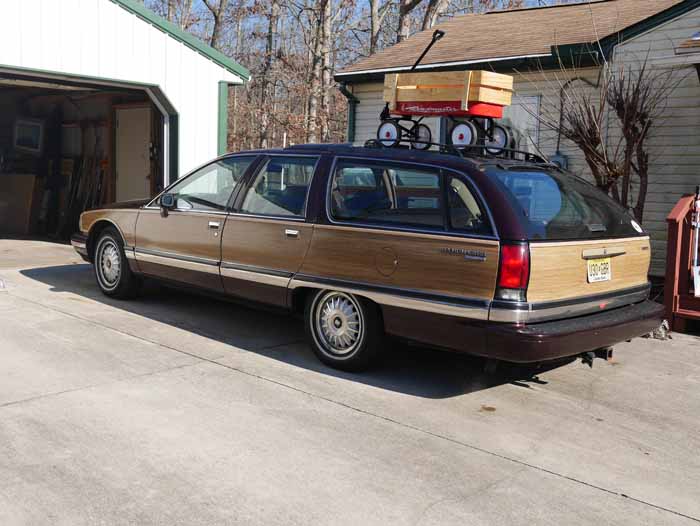
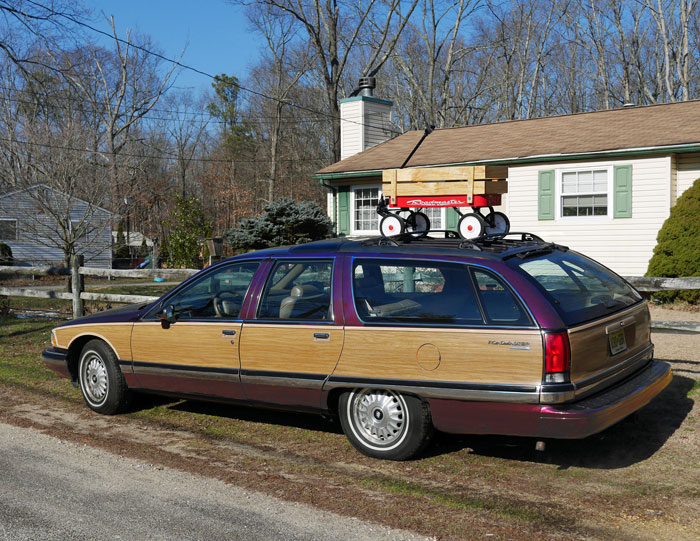
My Roadmaster Woody Wagons are ready for the next parade!
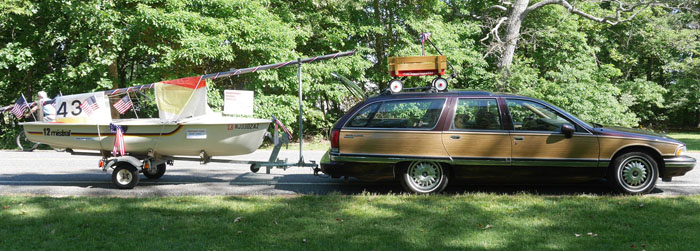
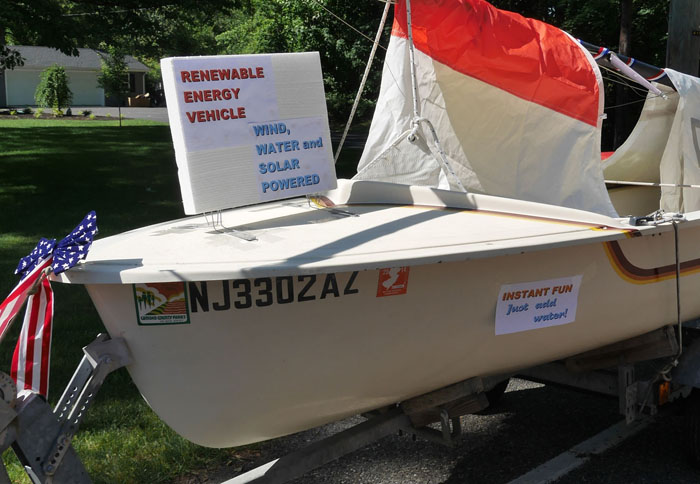
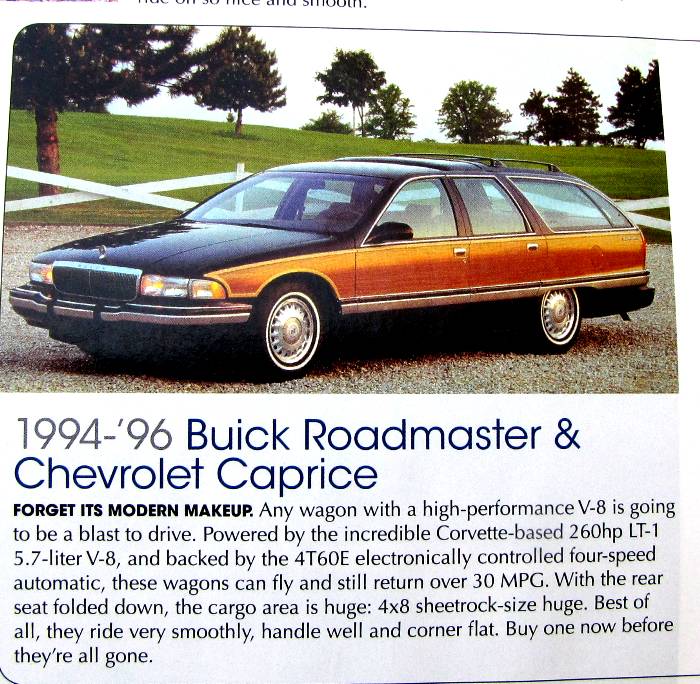
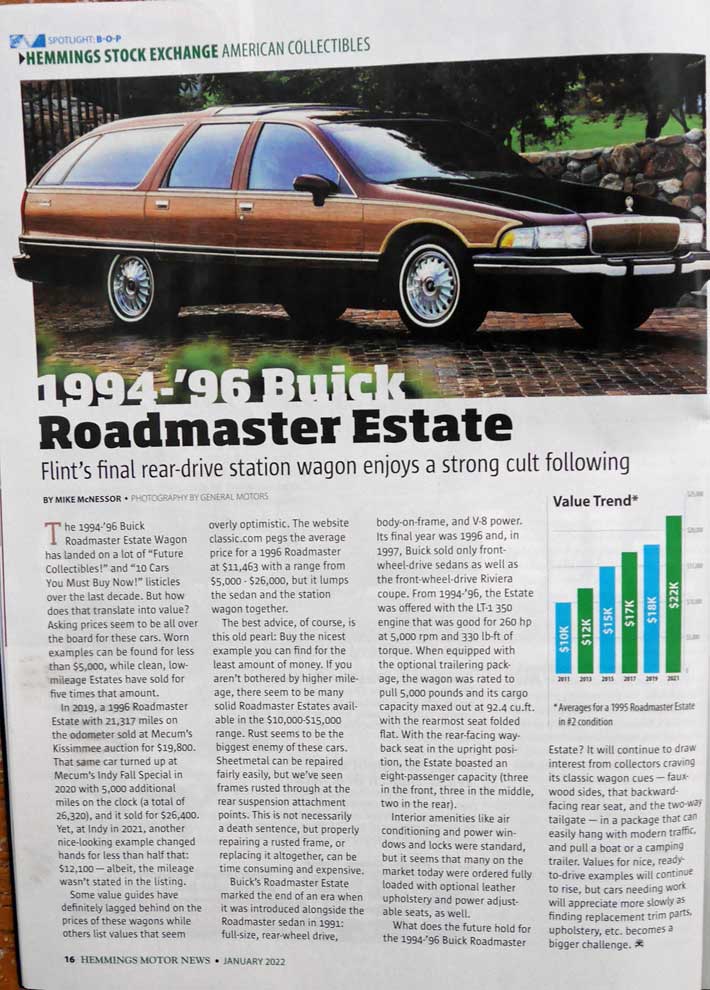
The following article about the 1994-1996 Roadmaster Estate Wagons appeared in the January, 2022
issue of Hemmings Magazine.
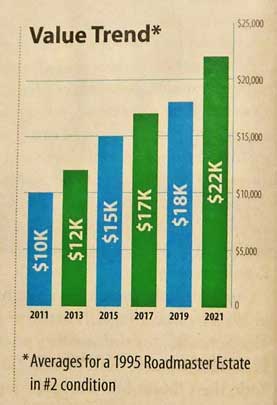
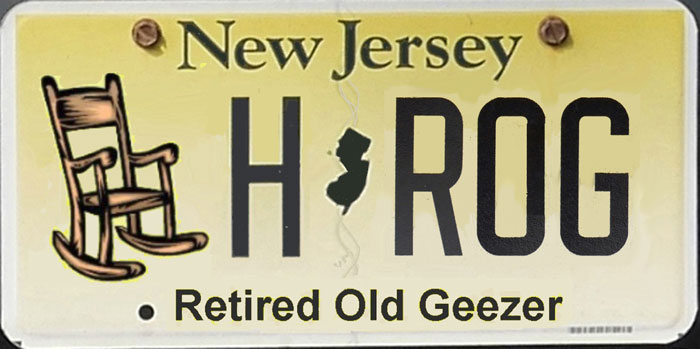
I have a special tag that I photo-shopped for parades and shows. The "H" stands for "Harvey" and "ROG" should be self-explanatory.
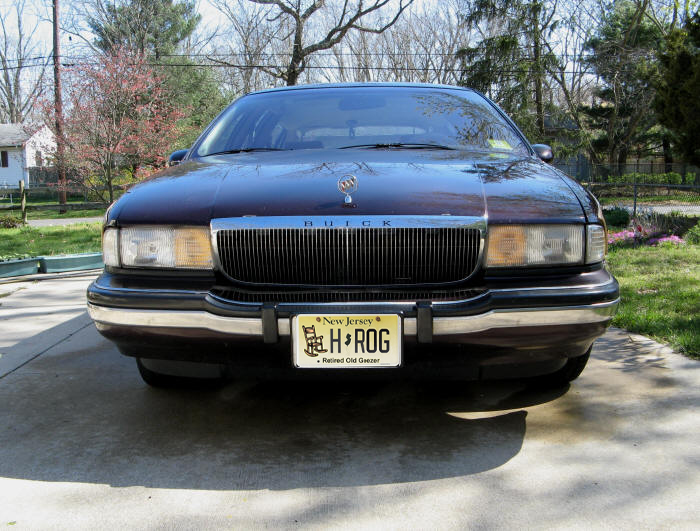
Because many ask if I will sell, I have set a fair price of $19,999. I am 84, so you can also wait until I die and buy it at the estate auction.
Click here for another page of station wagons including a number of customized Roadmaster
and Caprice wagons near the bottom of the page.
|
|
|