|
|

|
|
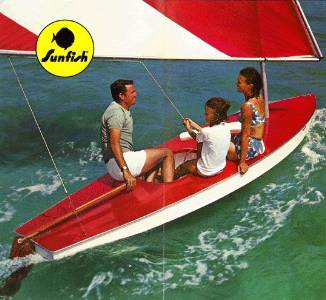
History of the Sunfish
Alcort first made the Sailfish (
see Sailfish page) but due to popular demand, a sister boat with a small cockpit, named Sunfish, was born.
Sailfish and Sunfish were built for many years of both wood and fiberglass, but it was the Sunfish which
gained recognition as the most popular sailboat of all time! Over half a million have been produced
and there are many clones.
In 1969 Alcort was sold to AMF (American Machine & Foundry) but continued to use the name Alcort. AMF succumbed to a
hostile takeover in 1985 and the Alcort sailboat division was sold to Loveless & DeGarmo (DBA Alcort Sailboats Inc.).
In 1988, Pearson Yacht bought Sunfish and in 1991, Pearson established the spin-off company Sunfish - Laser Inc..
Vanguard bought Sunfish-Laser in 1997.
|
Restoring my first Sunfish
(click here)
THE SECOND SUNFISH
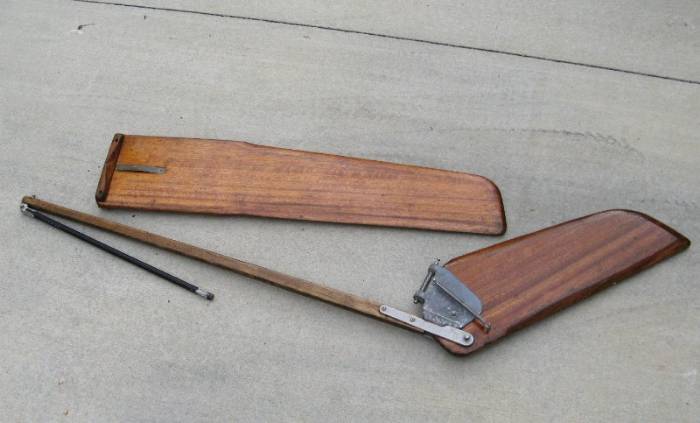
I bought this 1968 fiberglass Sunfish for $150, repainted the bottom and varnished
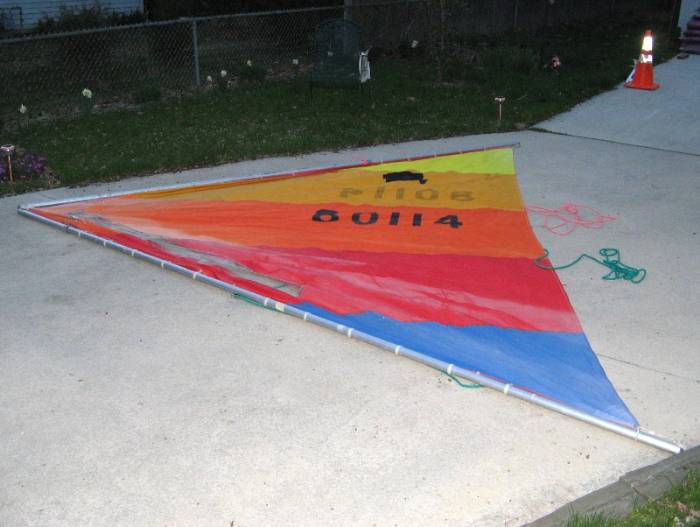
the dagger, rudder and tiller. The sail was bleached from the sun, but was otherwise in good condition.
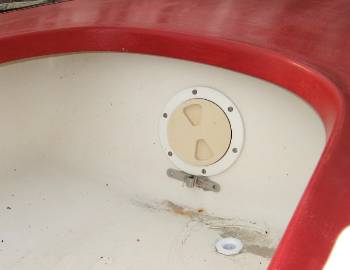
The boat had several upgrades like a Harkin pulley and two access covers. I sold it for $500.
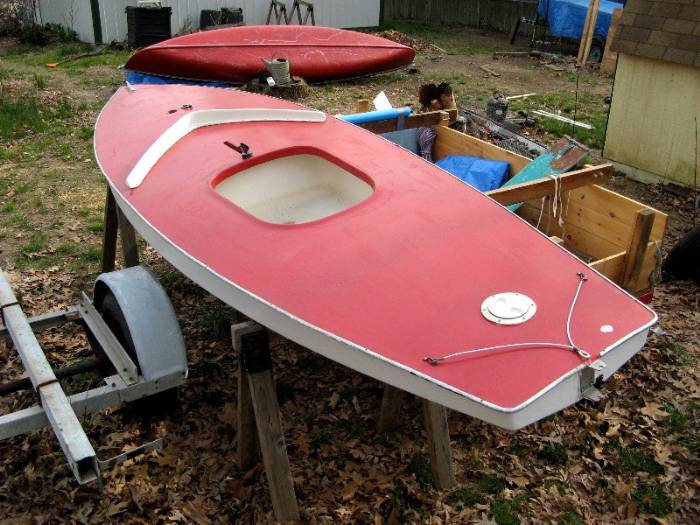
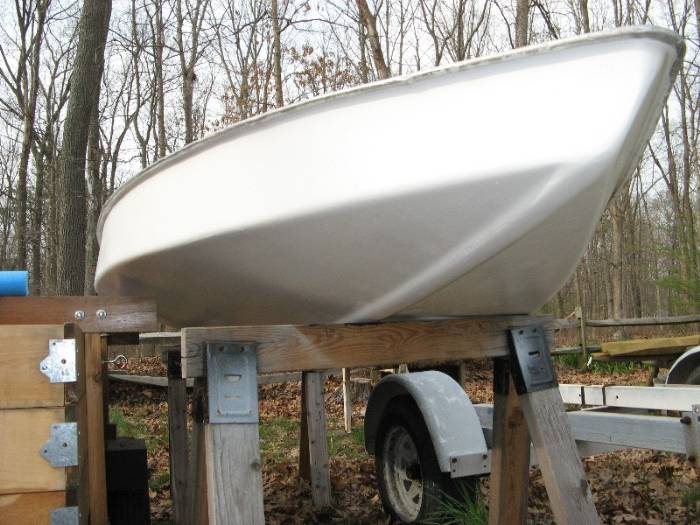
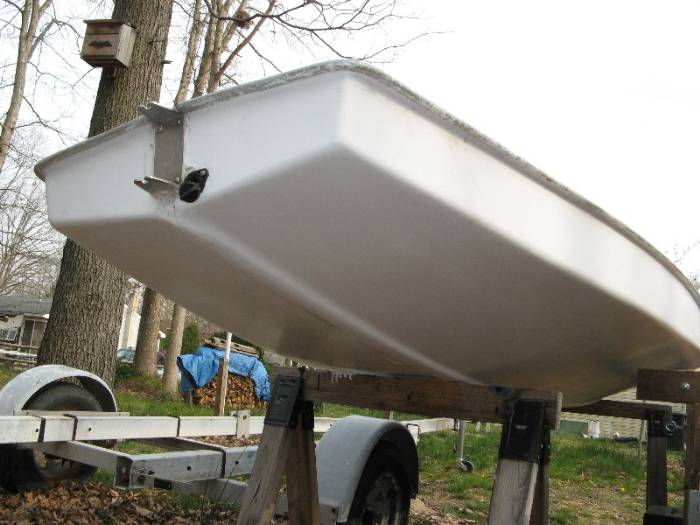
I just restored a donated 1996 Sunfish in April, 2015. I first washed and sanded one half of
the bottom to show the difference.
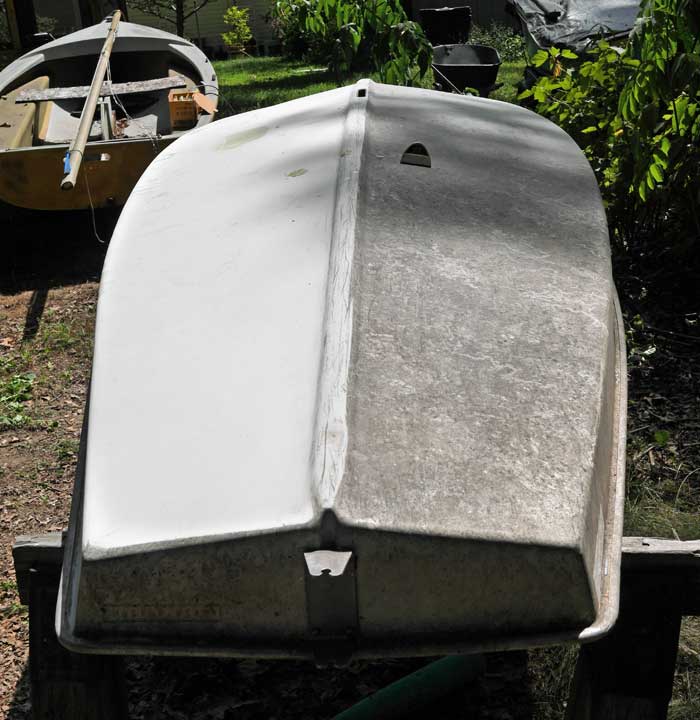
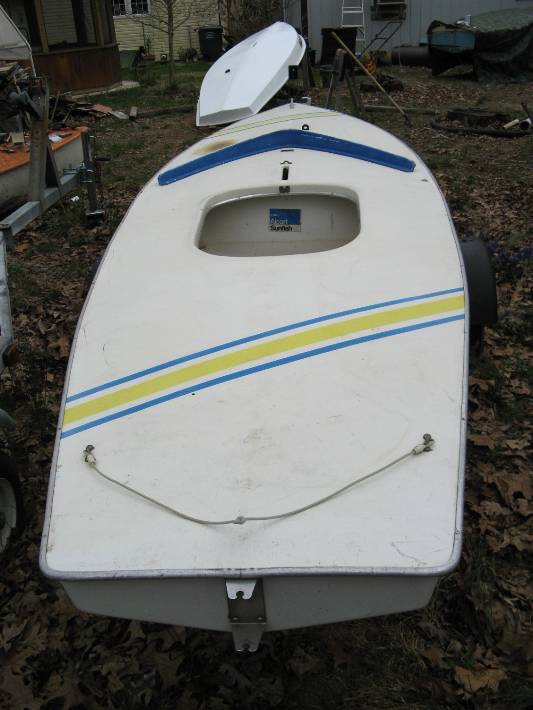
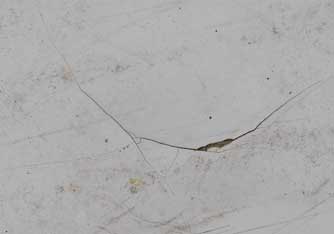
Someone made a professional repair on the deck, but it was never sanded and painted.
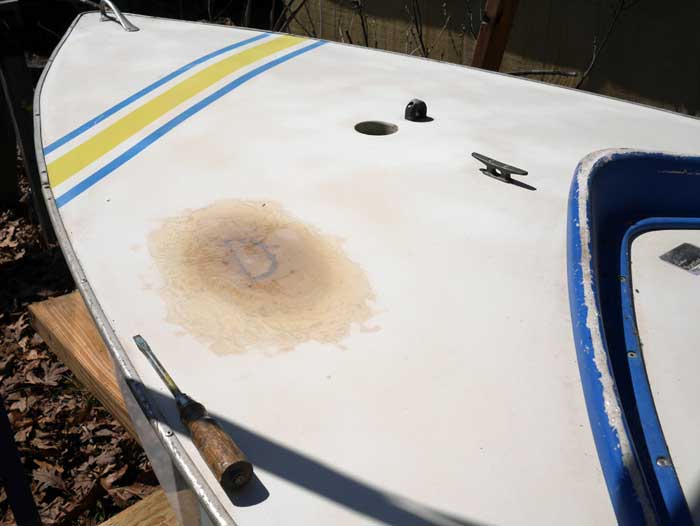
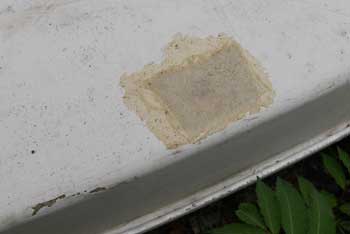
Another minor repair was not so professional and needed redone. A third crack was also repaired
before painting.
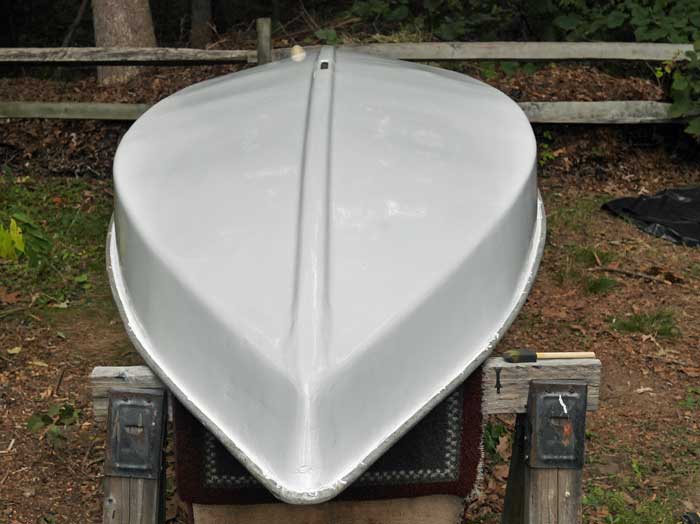
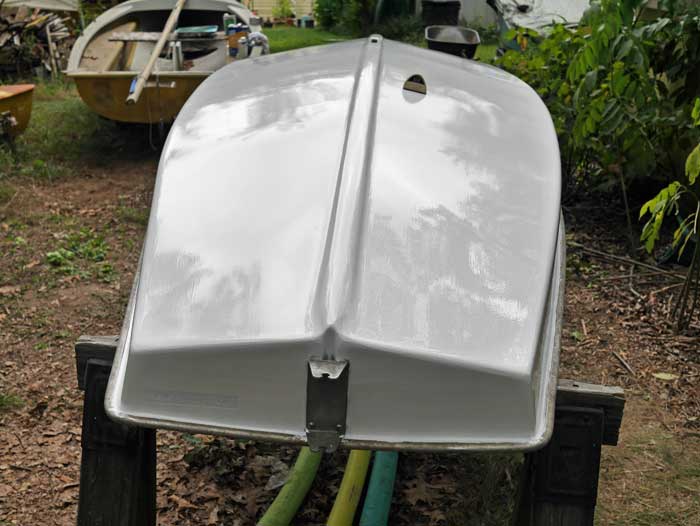
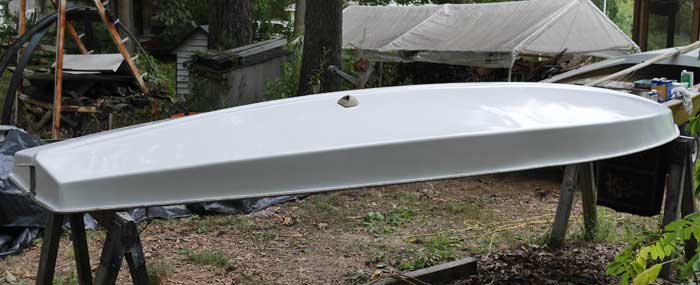
I built a pair of portable gantries and used them for the first time to paint the topside. I am very happy with them!
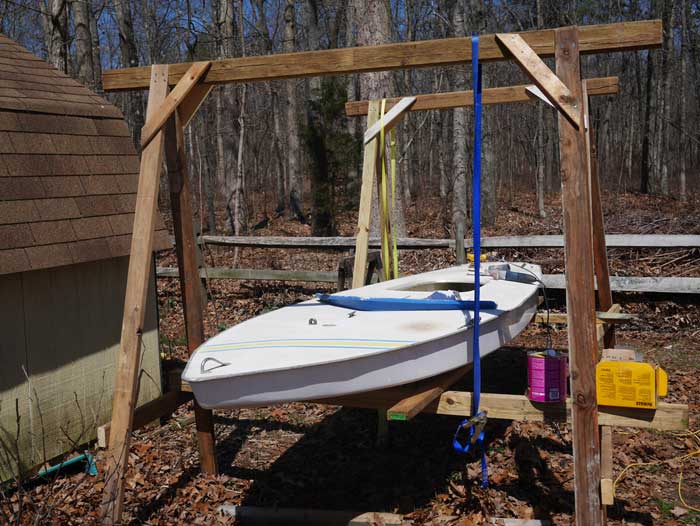
It costs about $150 for 2 quarts of quality paint needed for this small boat (Interlux
Perfection). Add the cost of sandpaper, masking tape, cleaning materials, Fiberglass etc, and anyone
can see that my labor is far below minimum wages!
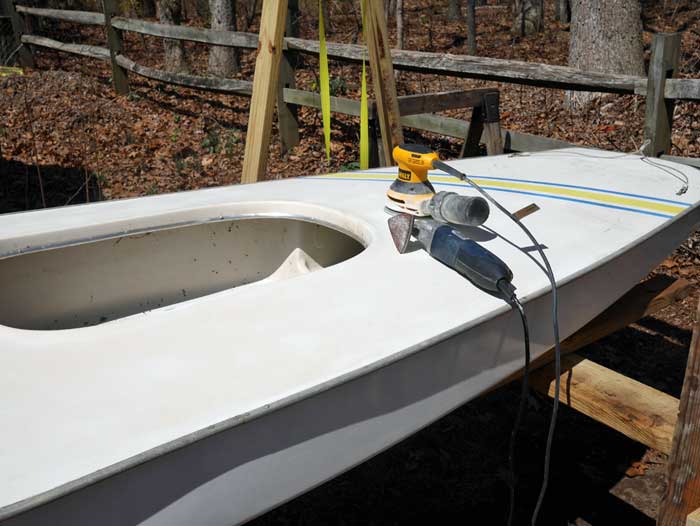
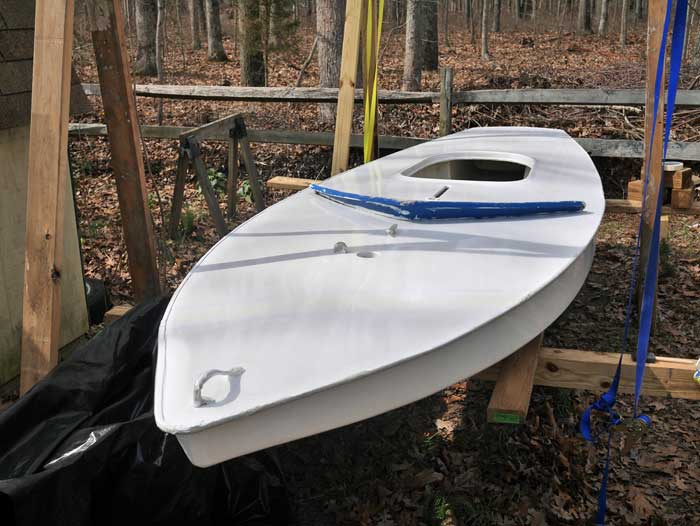
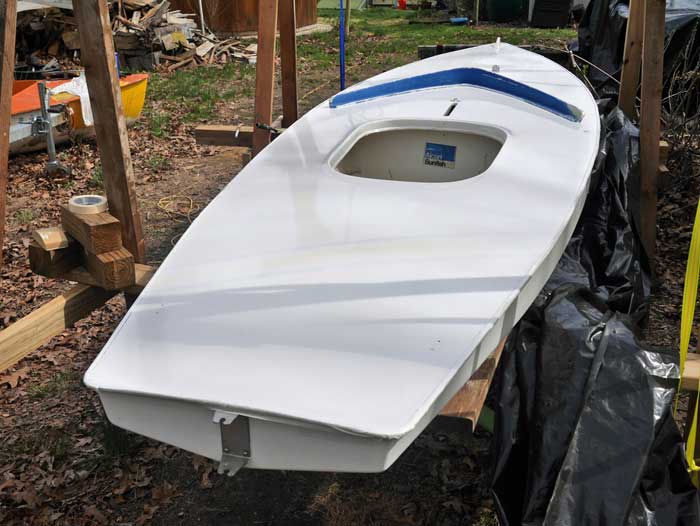
I changed the
stripe colors to match the new sail. The narrow stripes and cowl appear brown in the photos, but
they are purple.
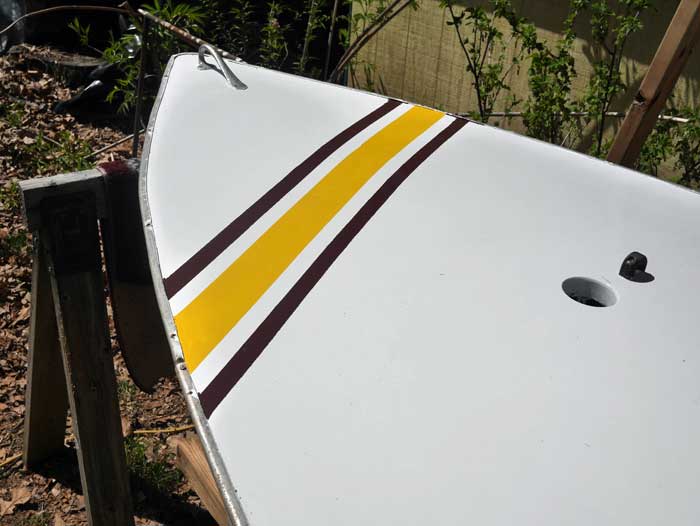
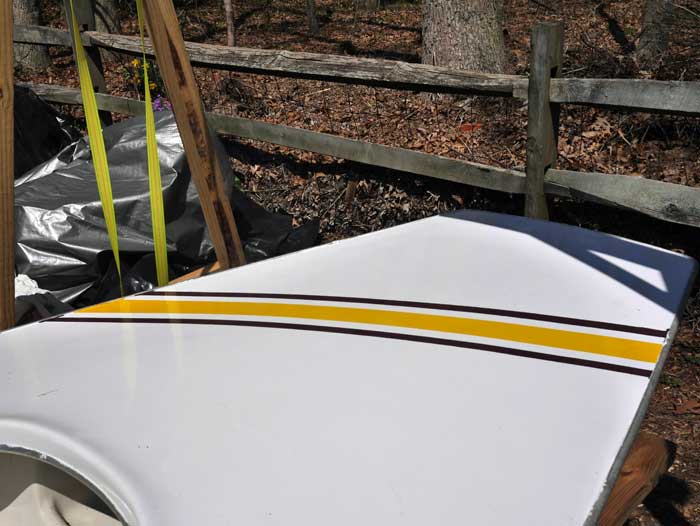
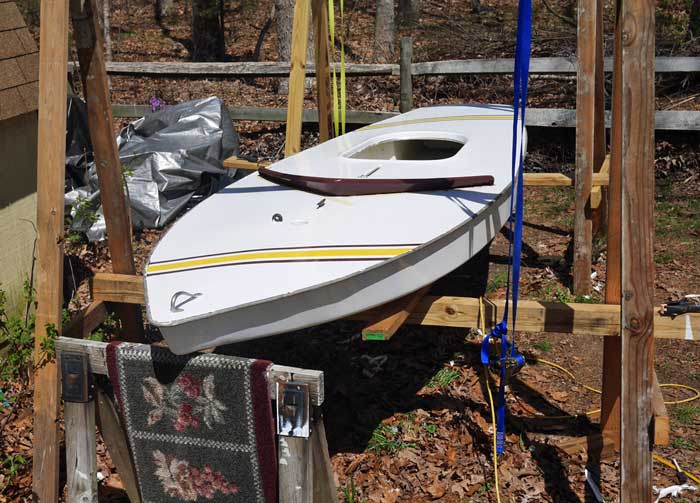
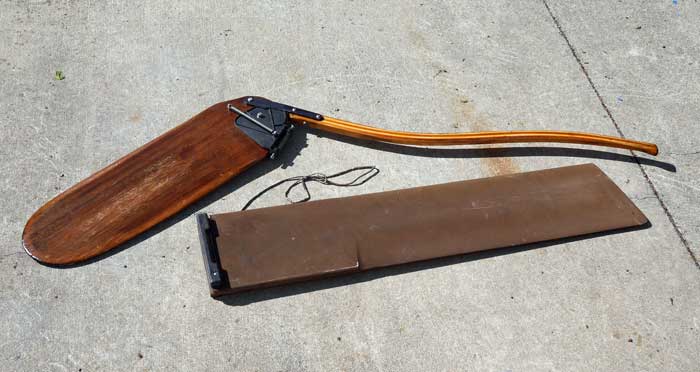
The dagger is of fiberglass; the rudder blade and tiller were refinished.
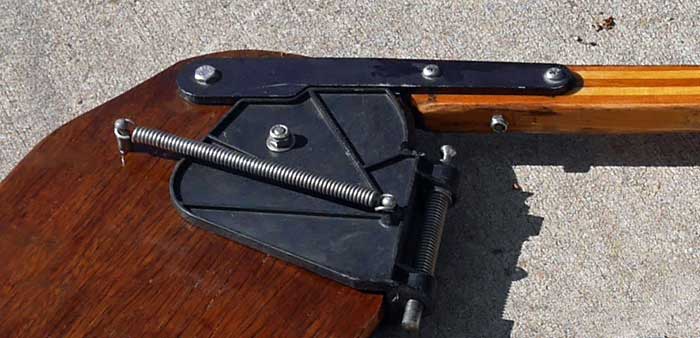
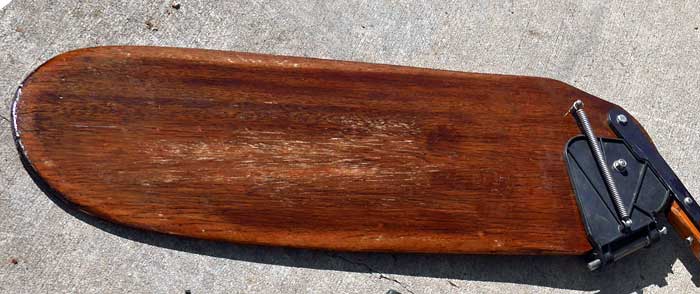
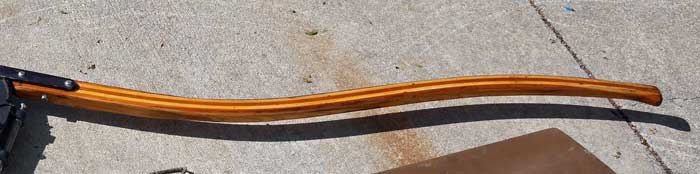
With the colorful new sail, it looked great!
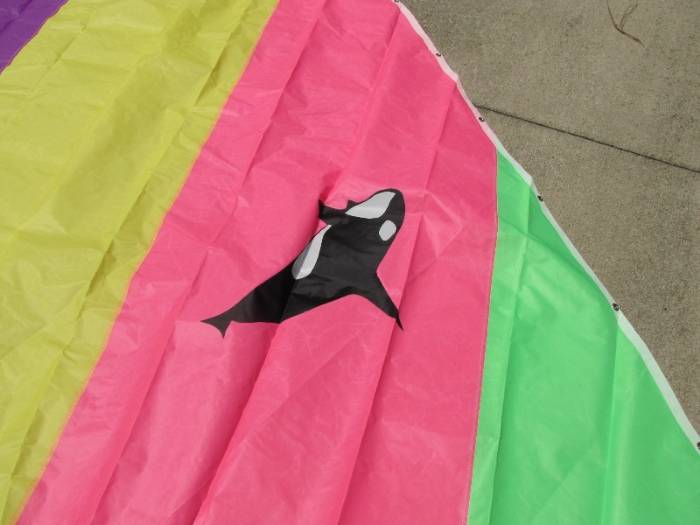
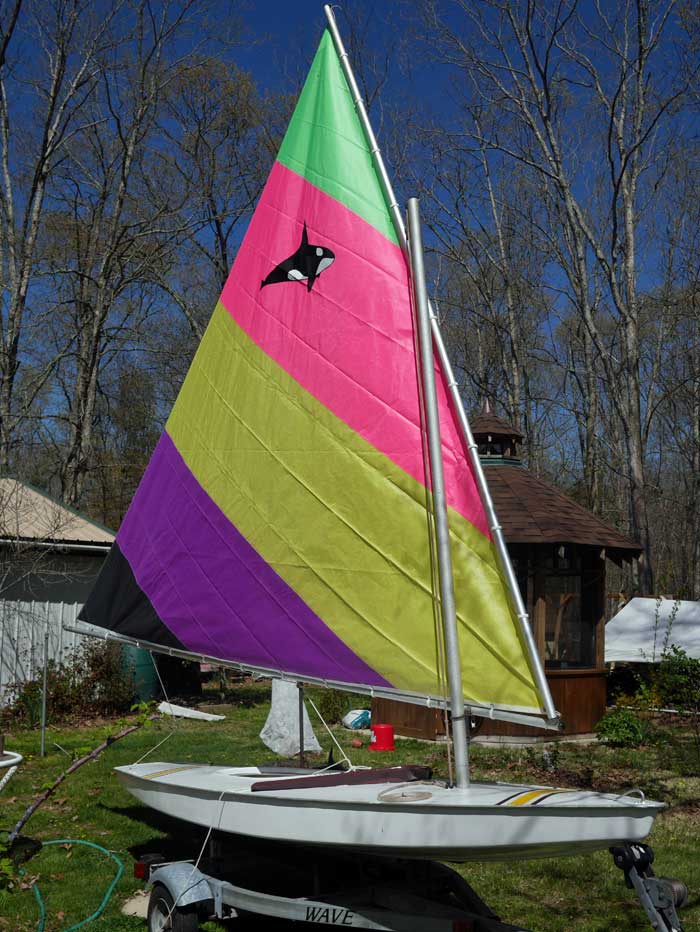
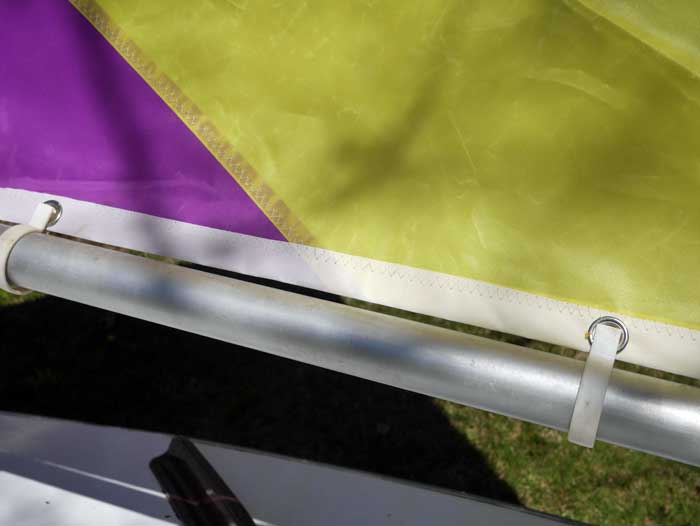
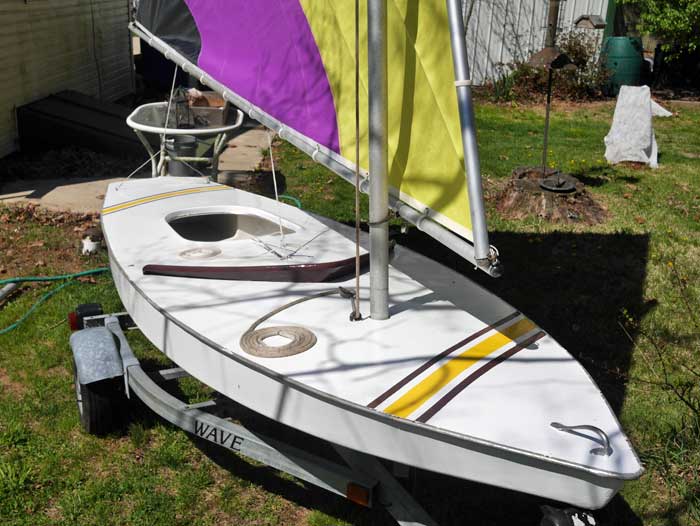
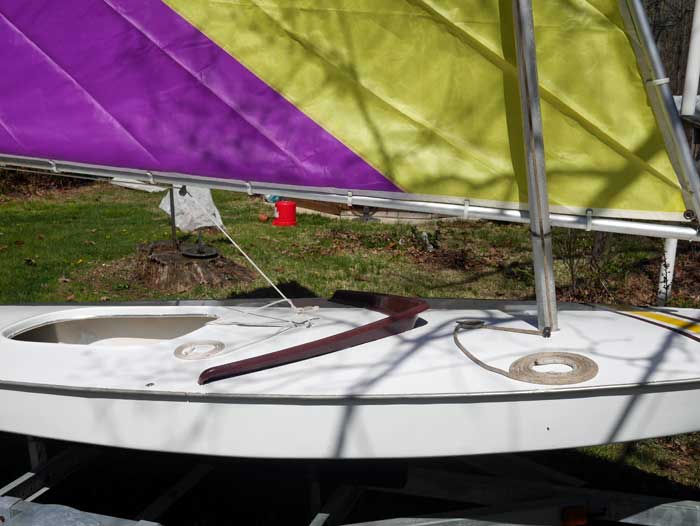

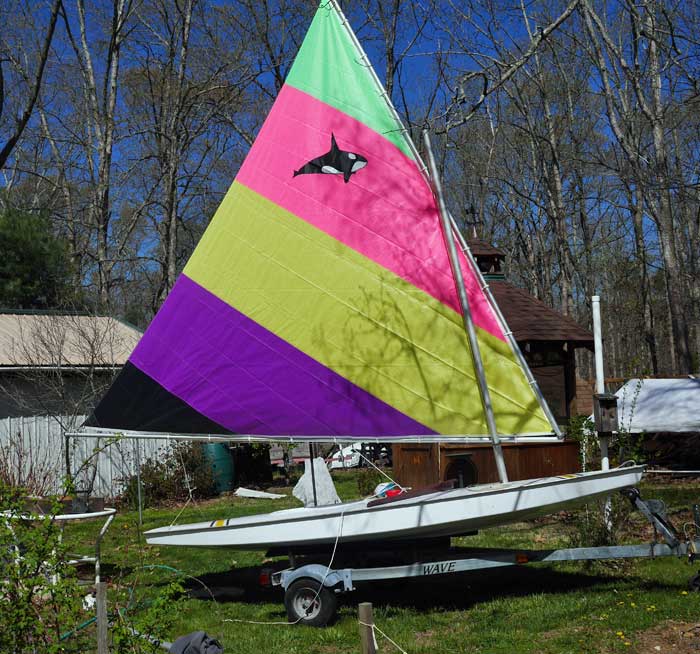
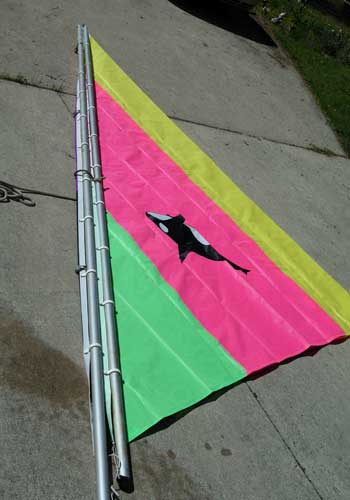
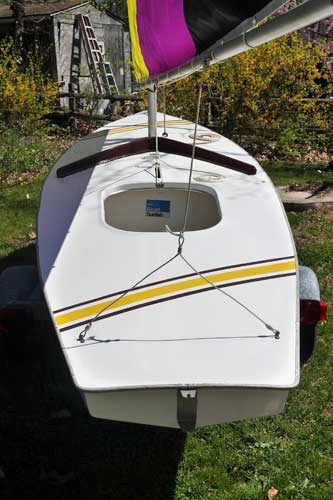
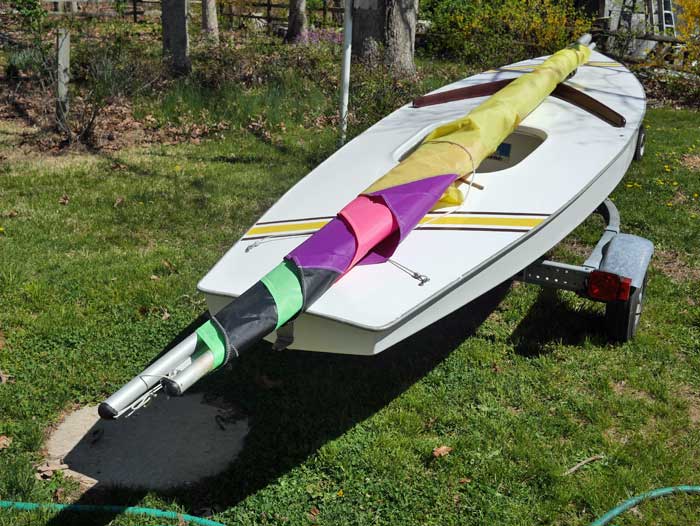
I sold this Sunfish with a galvanized trailer for $750
Check out my other Alcort pages!
Sailfish
Hilu
Minifish
Sunfish Clones
   
|
|
|