|
||

|
||

|
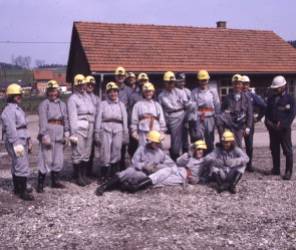
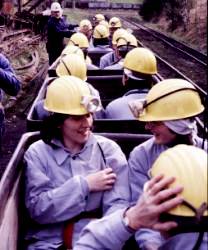
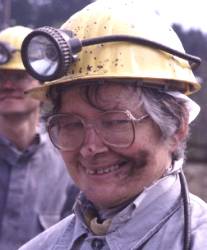
Ampflwang became better known after 1906, when the first coal mines were opened. By 1926, several buildings for breaking and sorting coal had been constructed. Homes were built to house several thousand coal miners who migrated to Ampflwang. Horse-drawn hunts moved the coal via narrow-gauge railways through mine shafts and to loading stations, where an extensive overhead cable-transport-system brought the coal to the breaking and sorting houses. Finally, the coal was transported by regular freight trains pulled by steam locomotives to a power plant in Timelkam and to other destinations.During the 80s, students and staff of the Bible Institute took a tour of the coal mine. The lady on the right is my wife after emerging from the mine.
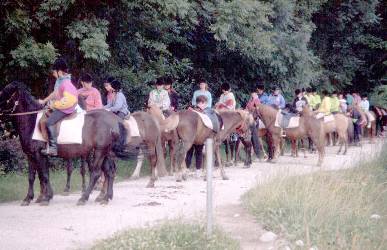
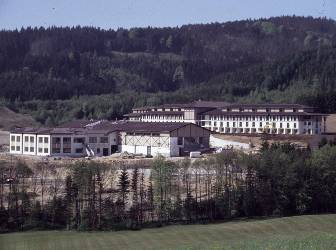
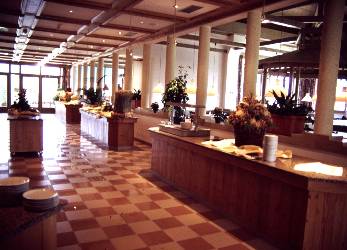
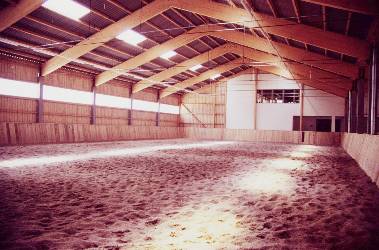
In 1961, the last horses were replaced by diesel engines. A local butcher purchased the horses, which had been blinded to keep them from shying in the dark mines. Reluctant to slaughter them, however, the butcher decided to offer rides to children instead. This marked the beginning of a new era for Ampflwang. As the brown coal supply dwindled, hotels were built and more horses added.Ampflwang now boasts the largest number of riding horses in Europe! The recent construction of a Robinson Club Hotel complex with riding stables, tennis courts and a golf course further advanced Ampflwang’s image as a tourist town.
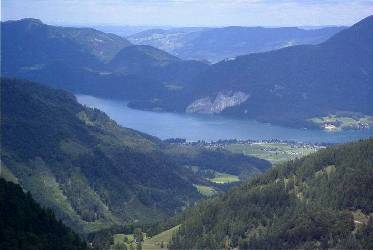
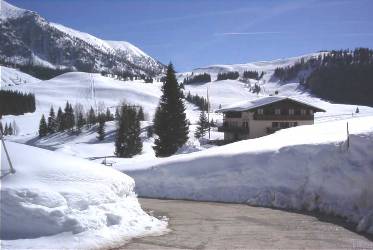
The nearby Salzkammergut Region, with its majestic Alps reflected in 76 crystal-clear lakes, was made famous by "The Sound of Music" film. Skiers from all over the world spend their winter vacations here.
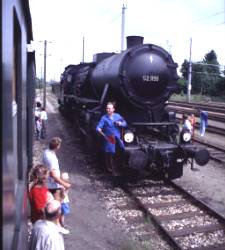
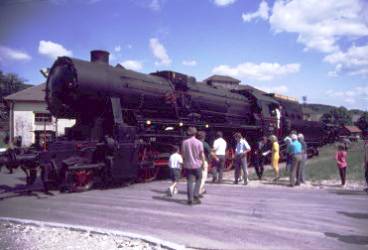
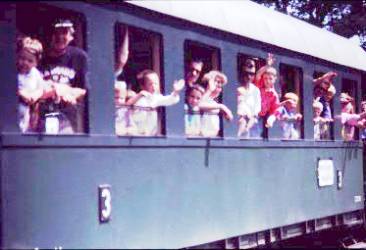
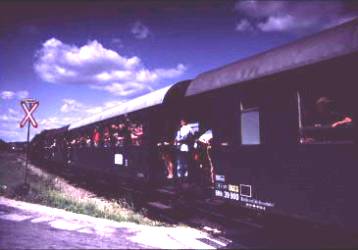
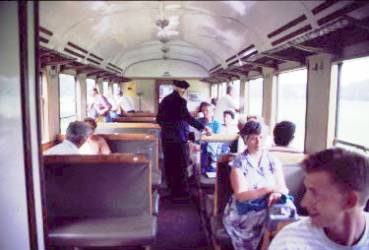
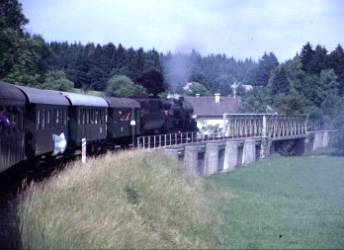
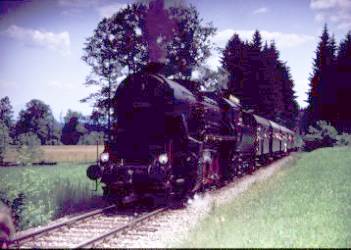
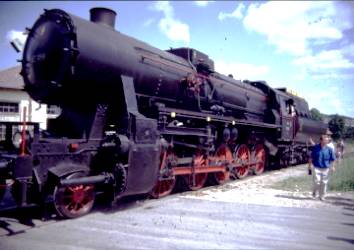
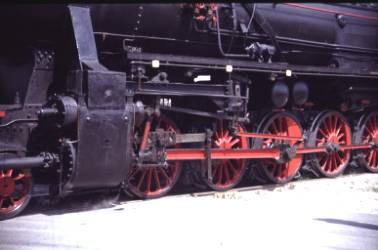
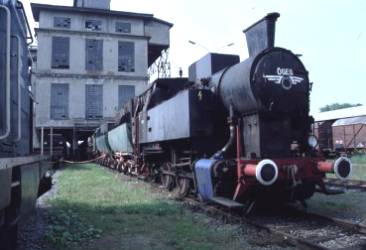
The coal mines in Ampflwang were closed a few years ago, but instead of tearing out the railroad tracks, it was decided to make them available to a Railroad Club and Museum. Scores of old steam locomotives and other relics of early railroading were moved to Ampflwang. Some are like new and others in various stages of restoration. A large new hall and even a roundhouse have been constructed. Tourists can relive the past with a delightful train ride behind a real smoke-belching steam engine. Watch my YouTube video of this.
If you have time, you can visit the Steyrerhof Museum, Salzburg or one of many other interesting places such as the Steyrerhof (preserved old farm and tractor museum: http://www.stehrerhof.at/) or the unique Toilet Museum (really!!) in Gmunden. Click on the image below to see some pictures!
Toilet Museum
|





| RVHarvey.com |